'%3e%3cpath%20d='M34.1406%205.85938C30.3906%202.10547%2025.3047%200%2020%200C14.6953%200%209.60938%202.10547%205.85938%205.85938C2.10938%209.61328%200%2014.6953%200%2020C0%2025.3047%202.10547%2030.3906%205.85938%2034.1406C9.61328%2037.8906%2014.6953%2040%2020%2040C25.3047%2040%2030.3906%2037.8945%2034.1406%2034.1406C37.8906%2030.3906%2040%2025.3047%2040%2020C40%2014.6953%2037.8945%209.60938%2034.1406%205.85938ZM37.0117%2023.543H31.1602V13.5391H27.6328V19.9414C28.1211%2020.6914%2028.3711%2021.582%2028.3711%2022.5625V22.625C28.3711%2023.668%2028.1172%2024.6055%2027.6328%2025.4297V26.6094H36.082C33.4883%2032.9375%2027.2891%2037.3789%2020.0039%2037.3789C10.3711%2037.3789%202.62109%2029.6289%202.62109%2020C2.62109%2010.3711%2010.3711%202.62109%2020%202.62109C29.6289%202.62109%2037.3789%2010.3711%2037.3789%2020C37.3789%2021.1484%2037.2617%2022.2656%2037.0508%2023.3477C37.0391%2023.4141%2037.0234%2023.4766%2037.0117%2023.543Z'%20fill='white'/%3e%3cpath%20d='M22.3086%2018.5352C20.4336%2018.125%2019.9531%2017.8398%2019.9766%2017.1836V17.1406C19.9766%2016.6992%2020.3477%2016.2148%2021.4023%2016.2148C22.582%2016.2148%2023.8867%2016.6797%2025.0781%2017.4766L26.8516%2015.0195C25.4453%2013.8906%2023.707%2013.3398%2021.5547%2013.3398C18.5195%2013.3398%2016.4375%2015%2016.4063%2017.4766V17.5352C16.3633%2020.2617%2018.5859%2020.9805%2021.293%2021.6016C23.0391%2021.9766%2023.5703%2022.3164%2023.5703%2022.9609L23.5469%2022.9766C23.5469%2023.3906%2023.2578%2023.7031%2022.7852%2023.8359C22.5742%2023.9062%2022.1289%2023.9727%2021.5156%2023.9727C20.7617%2023.9727%2019.7539%2023.8633%2018.6328%2023.4844C18.0898%2023.2891%2017.4727%2023.0039%2016.8047%2022.6133L20.1406%2026.625C20.2813%2026.6602%2021.0977%2026.8516%2021.7734%2026.8516C25.0039%2026.8516%2027.0859%2025.2461%2027.1094%2022.6328V22.5703C27.1602%2020.1133%2025.2148%2019.1719%2022.3086%2018.5352Z'%20fill='white'/%3e%3cpath%20d='M5.24219%2013.5664V26.6133H8.75391V23.7578L10.2969%2021.9531L14.2031%2026.6133H18.3867L12.3555%2019.5195L17.4023%2013.5664H13.4531L8.75391%2019.0586V13.5664H5.24219Z'%20fill='white'/%3e%3c/g%3e%3cdefs%3e%3cclipPath%20id='clip0_97_2430'%3e%3crect%20width='40'%20height='40'%20fill='white'/%3e%3c/clipPath%3e%3c/defs%3e%3c/svg%3e)


- Utah is ranked as one of the most 'independent' states in the U.S.
- WalletHub study highlights Utah's low public assistance and high median income.
- Latter-day Saint pioneers' self-sufficiency and mining communities contributed to Utah's growth.
SALT LAKE CITY — When Latter-day Saint pioneers rolled into the Salt Lake Valley, it wasn't anything like what it is now.
The land was so unattractive, in fact, one pioneer woman, Harriet Young, said, "Weak and weary as I am, I would rather go a thousand miles farther than remain in such a forsaken place as this."
Perhaps, then, it would be hard to imagine the eventual state of 3.5 million people being ranked No. 1 in terms of economic outlook for the 19th year in a row.
Utah regarded as one of the most 'independent' states
A recent WalletHub study ranked Utah just behind Idaho as one of the most "independent" states in the country regarding self-sufficiency. Previous studies found Utah as the most independent state seven times consecutively.
"Utah has an extremely low percentage of people with public assistance income (1.7%) or who receive SNAP or food stamps (5.2%)," WalletHub reported in a June study. "The state ranks as one of the least dependent on federal funding, as well."
The Beehive State "also has the highest median income in the country (over $91,600) and the second-lowest share of people in poverty."
These standout results of self-independence come as no surprise when looking at the communities developed in early on in Utah.
Ancestors who laid a foundation for success
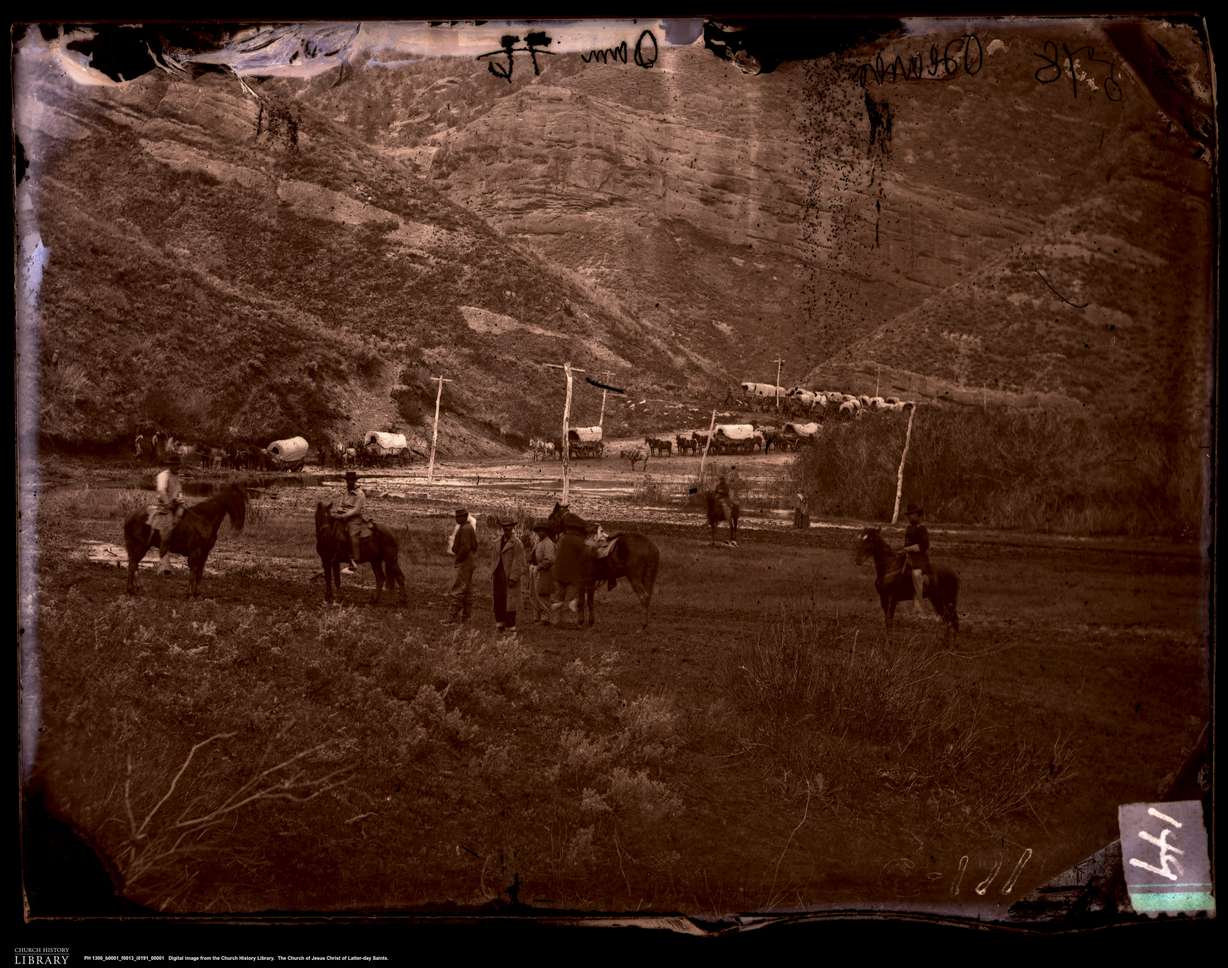
Ginny Taylor, a FamilySearch specialist in Payson, Utah, recounted the story of her first relative to settle in the state. William Page, her great-granduncle, left home in Birmingham, England, to join the Willie and Martin handcart companies.
"His mother sent him to America alone when he was 17 because if he'd have turned 18 in England, he'd have been drafted into the Crimean War," Taylor said.
Due to the lateness of the season, the 1856 trek that left Iowa City got caught in snowstorms as they struggled all along the way. Food rations were low, morale was often low and many never saw the place they set eyes on.
One story, Taylor recalls, is when Page had built a pair of moccasins for a girl, but he became so starved he "boiled them because they were made of leather, just to make a broth."
"There were so many hardships; whatever you read about the Willie and Martin handcart companies, they went through a lot," she said. However, she adds, "they were kind, they were hardworking and determined people."
All traits, she says, still live in Utah today.
After his arrival, Page, an "adventurous" boy, rode in the Pony Express before preparing a place for his immediate family to join him from England, leading to the birth of Taylor's great-grandfather James Page in Bountiful.
A territory built on self-sufficiency
Out in the West, Latter-day Saints were finally able to really plant their roots and practice their religion, as was a source of tension in past areas eastward.
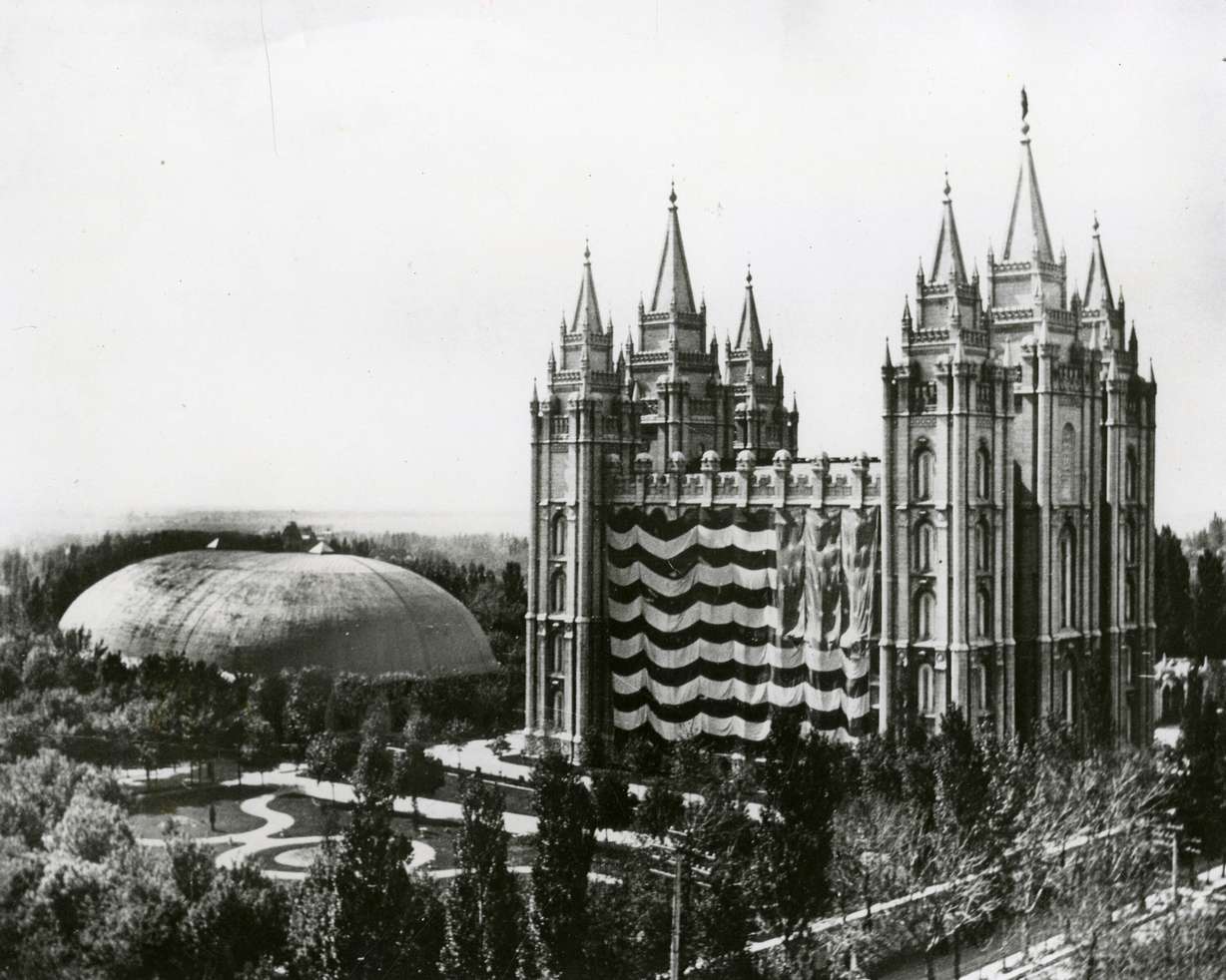
"Independence was central to Brigham Young and many of the leaders of the church in the 19th century. And that was a key reason for their going to Utah," BYU chair of Western American History Brian Cannon told the Deseret News. "And economically, Brigham Young fostered local industry and promoted agriculture to cut the ties that bind the territory to the rest of the nation. He wanted the territory to be as self-sufficient as possible."
As part of this central purpose, Young organized efforts to settle areas to maximize resources. He called people on missions — some to Cedar City to mine iron ore while others were sent to St. George to grow cotton.
As was common for these groups, they were sent out with the "understanding that they would be contributing to the self-sufficiency and the independence of the territory," Cannon said. "They were supposed to work hard to sacrifice for the good of others. They believed that welfare was fundamentally a neighbor-to-neighbor responsibility rather than a responsibility for government."
Many settlements even lived the United Order for a time, where they were expected to sacrifice their own financial status for the benefit of the community, creating one of the most "unique" economies in the 19th century, according to Cannon.
The unique economy was efficient in providing basic needs to the community, but not when it comes to building wealth.
But Latter-day Saint settlements were not the only ones contributing to Utah's development.
Originally settled for agricultural purposes by settlers, the completion of the Denver & Rio Grande Western Railway in 1883 dramatically changed the demographic. Once connected, coal mining boomed in the eastern Utah location as Japanese, Italian, Greek and other ethnicities immigrated to Price.
In addition to becoming one of the more diverse hubs in Utah, the railway also made Price the retail, political, educational and cultural center of the area, according to History to Go.
Price is just one of many mining towns that boomed in Utah, others also diversifying the territory.
Park City acts as an example of diverse cultural developments in Utah. Hundreds of prospectors between 1870 and 1900 contributed to the city's population growth of 40%, many sending for their family or bringing them along by the 1880s as the community became well established.
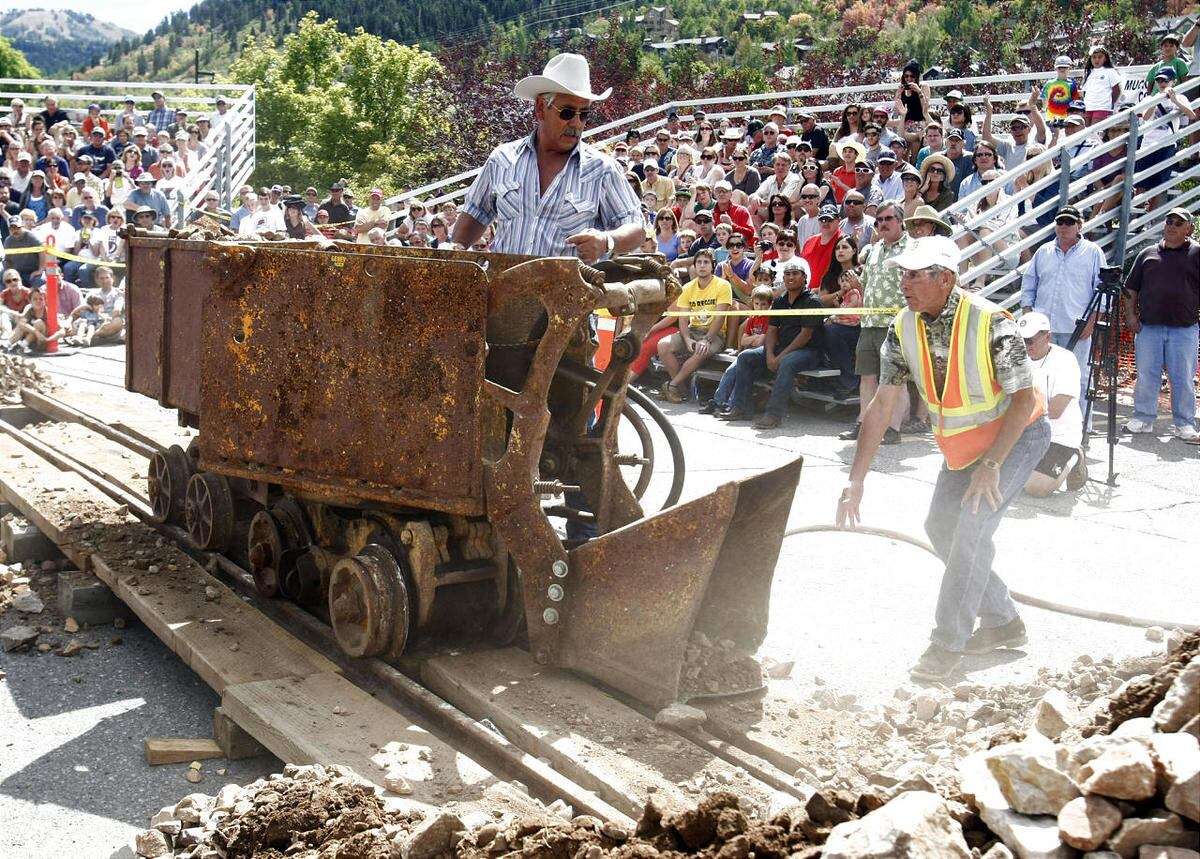
The first school in the area was St. Mary's School, operated by the Sisters of the Parish of St. Mary of the Assumption.
The impact mining communities had on Utah during Utah's early history can be easy to overlook; however, its impact is immeasurable as it reached across economic channels.
"Mining had an enormous role, only partly measurable, in the history of Utah," the abstract to the book "From the Ground Up " by Colleen Whitley reads. "Its multidimensional impact continues today. Economically, it made a major long-term contribution to the wealth, employment and tax base of the state and stimulated a seemingly endless range of secondary businesses and enterprises"