
- Ogden Valley officials have abandoned plans to seek a 512.6% property tax hike and instead will scale back spending for the year.
- Their legal efforts to seek the increase still remain focus of a pending Utah Supreme Court case, though.
- Most notably, officials in the Weber County locale plan to scale back spending on road improvements, a big-ticket budget item.
OGDEN VALLEY, Weber County — With their efforts to implement a 512.6% property tax hike stalled in the Utah Supreme Court, Ogden Valley officials will forego the increase and instead implement a scaled-back budget for fiscal year 2027.
Still, their court efforts related to the underlying issues at play in the legal tussle aren't necessarily over, and a tax hike could be in the offing for 2027-2028.
"There is no way we are going to have a property tax increase this year. That's off the table," said Kay Hoogland, a member of the Ogden Valley City Council who's been closely involved in preparing the city's spending plan for 2026-2027. "It's too late; we were blocked."
Instead, the new Weber County city, formally incorporated just last January, will operate on a budget of around $5.9 million, less than the $7.4 million spending plan had they been able to implement the tax hike. Most notably, officials plan to scale back spending on road improvements, one of the big-ticket items in the budget.
The 512.6% tax hike — the largest proposed increase in percent terms in Utah this year — would have generated an extra $2.48 million and boosted property taxes on a home worth $1.22 million, the average, from $104.85 to $640.51, up $535.66. Now, to counter the reduced revenue inflow, officials plan to implement a transportation utility fee of at least $600,000 and a 6% municipal energy tax, which will generate around $360,000.
"It's a one-year problem, but it's very difficult when a city is just trying to stand up and get operating to run into that brick wall," Hoogland said. Next year, the issues that stymied efforts to implement the 512.6% increase won't be applicable as city officials put together the 2027-2028 increase, allowing them to pursue a tax hike.
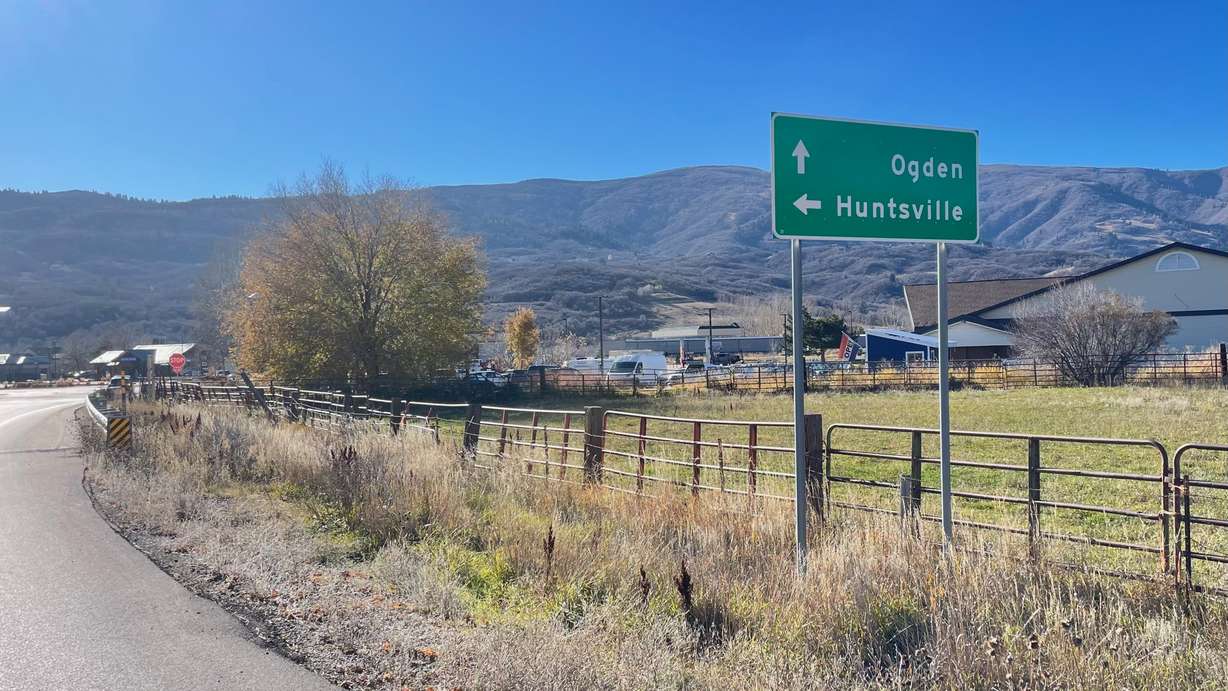
Because of a missed deadline last January in the incorporation process that's outlined in state tax code, the Utah State Tax Commission said last spring that Ogden Valley officials couldn't pursue a tax hike via the truth-in-taxation process. The city sued last June, a judge upheld the Tax Commission's determination and city officials subsequently appealed to the Utah Supreme Court, which has yet to weigh in.
In a filing last September, Utah Supreme Court Justice Jill Pohlman said the Ogden Valley appeal "may now be moot" given missed deadlines in the process to boost taxes. However, in a response last month by Ogden Valley's legal representatives, working pro bono, they said the court should rule on the underlying issues of the case because a similar situation could arise in the future when other new cities take shape.
"The dispute extends well beyond Ogden Valley City," reads the Oct. 8 filing.
Hoogland, moreover, says seeming deficiencies in the incorporation process could be focus of efforts by lawmakers in the coming 2027 Legislative session.
"We're tough, we're resilient, we will make it through," Hoogland said. "But we hope that the state legislature is taking note because other communities should not have to face this dilemma."
Apart from the code cited by the Utah State Tax Commission in denying Ogden Valley efforts to increase taxes, officials have criticized the feasibility study completed in 2023 that allowed the incorporation process to proceed. The study, ordered by the Utah Lieutenant Governor's Office, indicated that Ogden Valley could incorporate without the need for a tax hike, Hoogland said, and that "proved wrong."