
Estimated read time: 2-3 minutes
- David Wilson, a stroke survivor, discovered woodworking after therapy restored hand use.
- The University of Utah's therapy involves electrical and magnetic stimulation for brain reorganization.
- Dr. Amit Sethi reports Wilson's significant improvement after the six-week intensive treatment.
SALT LAKE CITY — A stroke survivor unexpectedly found a new hobby and a new direction in life after a specialized therapy, currently being studied at the University of Utah, helped him regain the use of his left hand.
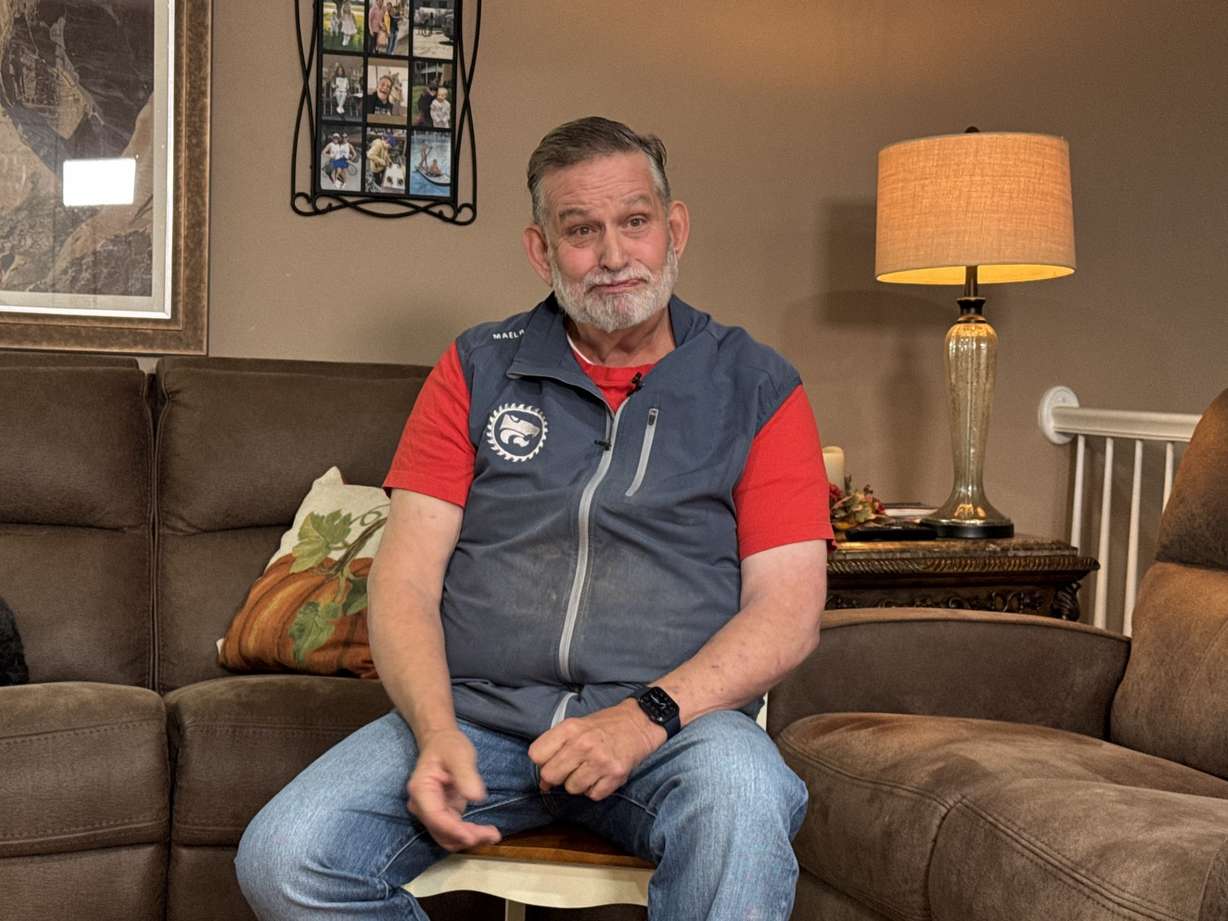
David Wilson, 64, was a retired school principal who went skiing 60 times per year and was a six handicap in golf prior to his stroke, which happened in January 2024.
During an interview Monday with KSL, he said he found a new passion in woodworking with a shop he set up in his garage.
"I had no idea what to do with a tool," Wilson said. "I'd never painted. I'd never done anything truly creative."
Wilson said none of that would have been possible had he not gone through an emerging therapy 11 months later, which involved transcranial electrical stimulation and transcranial magnetic stimulation.
"The brain doesn't regenerate the brain tissue — it reorganizes itself, meaning that the areas of the brain that are still intact, they can take over the function of the brain areas that are now damaged with that," explained Dr. Amit Sethi, associate professor of occupational and recreational therapies. "This electrical stimulation that we were using and his ability to use his weak hand over and over again in multiple tasks — quite intense therapy — that combination can help increase the plasticity or this reorganization in the areas of the brain."
Sethi said the treatments, administered three times per week for six weeks, made a notable difference for Wilson.
"After the treatment session, we again measured his weak hand movement, his ability to use his weak hand in day-to-day activities again, and after the 6-week intense treatment he did great," Sethi said.
Sethi said the ongoing five-year study of the treatment continues to seek out qualified participants through his department's website and via phone at 801-646-7882.
"The stroke closed doors, yet at the same time, it opened other doors," said Wilson as he talked about his new love of crafting wooden bowls and other objects in his woodshop.
Sethi commended Wilson on his craftsmanship.
"He even built me a beautiful walnut wood chopping board with that, and I was so happy, like, really touched with that gesture," Sethi said.
Wilson expressed gratitude for the path that led him to his newfound passion.
"It's been a blessing, it's been joyful and it causes you to focus on the things that are important," Wilson said as he turned emotional. "I want mobility; I want to do well. I don't want to just float into the future with no ability to give back to society and give back to my family."