'%3e%3cpath%20d='M34.1406%205.85938C30.3906%202.10547%2025.3047%200%2020%200C14.6953%200%209.60938%202.10547%205.85938%205.85938C2.10938%209.61328%200%2014.6953%200%2020C0%2025.3047%202.10547%2030.3906%205.85938%2034.1406C9.61328%2037.8906%2014.6953%2040%2020%2040C25.3047%2040%2030.3906%2037.8945%2034.1406%2034.1406C37.8906%2030.3906%2040%2025.3047%2040%2020C40%2014.6953%2037.8945%209.60938%2034.1406%205.85938ZM37.0117%2023.543H31.1602V13.5391H27.6328V19.9414C28.1211%2020.6914%2028.3711%2021.582%2028.3711%2022.5625V22.625C28.3711%2023.668%2028.1172%2024.6055%2027.6328%2025.4297V26.6094H36.082C33.4883%2032.9375%2027.2891%2037.3789%2020.0039%2037.3789C10.3711%2037.3789%202.62109%2029.6289%202.62109%2020C2.62109%2010.3711%2010.3711%202.62109%2020%202.62109C29.6289%202.62109%2037.3789%2010.3711%2037.3789%2020C37.3789%2021.1484%2037.2617%2022.2656%2037.0508%2023.3477C37.0391%2023.4141%2037.0234%2023.4766%2037.0117%2023.543Z'%20fill='white'/%3e%3cpath%20d='M22.3086%2018.5352C20.4336%2018.125%2019.9531%2017.8398%2019.9766%2017.1836V17.1406C19.9766%2016.6992%2020.3477%2016.2148%2021.4023%2016.2148C22.582%2016.2148%2023.8867%2016.6797%2025.0781%2017.4766L26.8516%2015.0195C25.4453%2013.8906%2023.707%2013.3398%2021.5547%2013.3398C18.5195%2013.3398%2016.4375%2015%2016.4063%2017.4766V17.5352C16.3633%2020.2617%2018.5859%2020.9805%2021.293%2021.6016C23.0391%2021.9766%2023.5703%2022.3164%2023.5703%2022.9609L23.5469%2022.9766C23.5469%2023.3906%2023.2578%2023.7031%2022.7852%2023.8359C22.5742%2023.9062%2022.1289%2023.9727%2021.5156%2023.9727C20.7617%2023.9727%2019.7539%2023.8633%2018.6328%2023.4844C18.0898%2023.2891%2017.4727%2023.0039%2016.8047%2022.6133L20.1406%2026.625C20.2813%2026.6602%2021.0977%2026.8516%2021.7734%2026.8516C25.0039%2026.8516%2027.0859%2025.2461%2027.1094%2022.6328V22.5703C27.1602%2020.1133%2025.2148%2019.1719%2022.3086%2018.5352Z'%20fill='white'/%3e%3cpath%20d='M5.24219%2013.5664V26.6133H8.75391V23.7578L10.2969%2021.9531L14.2031%2026.6133H18.3867L12.3555%2019.5195L17.4023%2013.5664H13.4531L8.75391%2019.0586V13.5664H5.24219Z'%20fill='white'/%3e%3c/g%3e%3cdefs%3e%3cclipPath%20id='clip0_97_2430'%3e%3crect%20width='40'%20height='40'%20fill='white'/%3e%3c/clipPath%3e%3c/defs%3e%3c/svg%3e)




Estimated read time: 5-6 minutes
- Eagle Point Ski Resort in Beaver County remains closed for the 2026-27 season.
- The Cottonwood Fire and subsequent flooding severely damaged resort infrastructure and access.
- Owner Shane Gadbaw is committed to rebuilding while preserving the resort's unique atmosphere.
BEAVER — The first snow of the season has already fallen at Eagle Point Ski Resort in the Tushar Mountains.
Normally, that would be a reason to celebrate. But this winter, the chairlifts won't be moving, the slopes will be empty and the sounds of skiers enjoying the mountain have been replaced by workers tearing out damaged materials and preparing for a long recovery.
For resort owner Shane Gadbaw, it's a different kind of preparation for winter.
"We've been focused on recovery, debris removal, planning and the future," said Gadbaw.
The Cottonwood Fire that swept through Beaver County this summer devastated much of the resort and the surrounding mountain community.
The fire burned down the Canyonside Lodge, damaged four of the resort's five chairlifts, burned equipment and destroyed close to 150 homes and condominiums.
Then, just as recovery efforts were beginning, heavy rains caused flooding that washed out portions of state Route 153 leading to the resort.
"The gut punch came from the flood," said Gadbaw. "It was sort of like one step forward, two steps back."
The damage and complications forced Eagle Point to announce it would not open for the 2026-27 ski season.
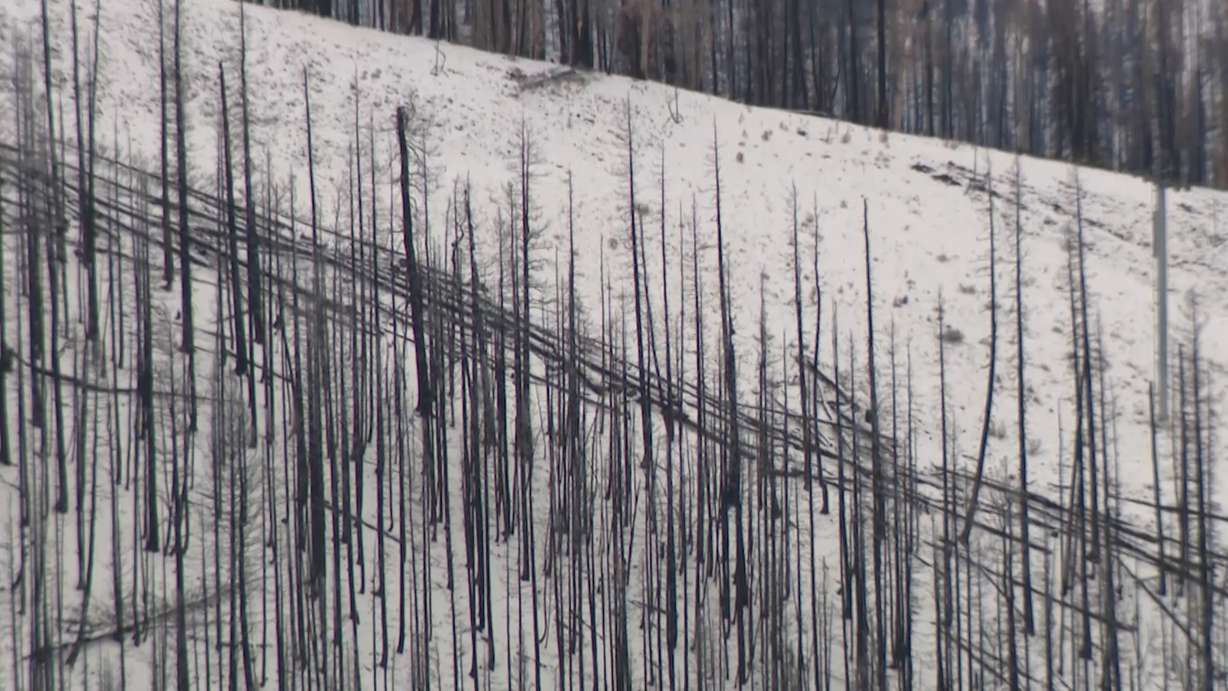
For a resort that depends heavily on winter visitors, that decision brought another difficult reality for Gadbaw: Most of the resort's employees would no longer have jobs there, at least for now.
General manager Tanner Larsen is one of just two remaining Eagle Point employees.
"This is our worst nightmare, being in the ski industry, is to have something like this occur," said Larsen.
Yet, despite the resort being closed, Larsen said he has never had more work to do.
"I keep getting people that I work with, friends, family, they're asking me like, 'Oh, what are you doing up there? Do you still have a job?'" said Larsen with a laugh. "I'm busier than I have ever been."
Much of that work involves clearing debris, evaluating damaged infrastructure and figuring out what it will take to bring the resort back.
Gadbaw, who bought Eagle Point 17 years ago after it had been closed for years, said walking away isn't an option.
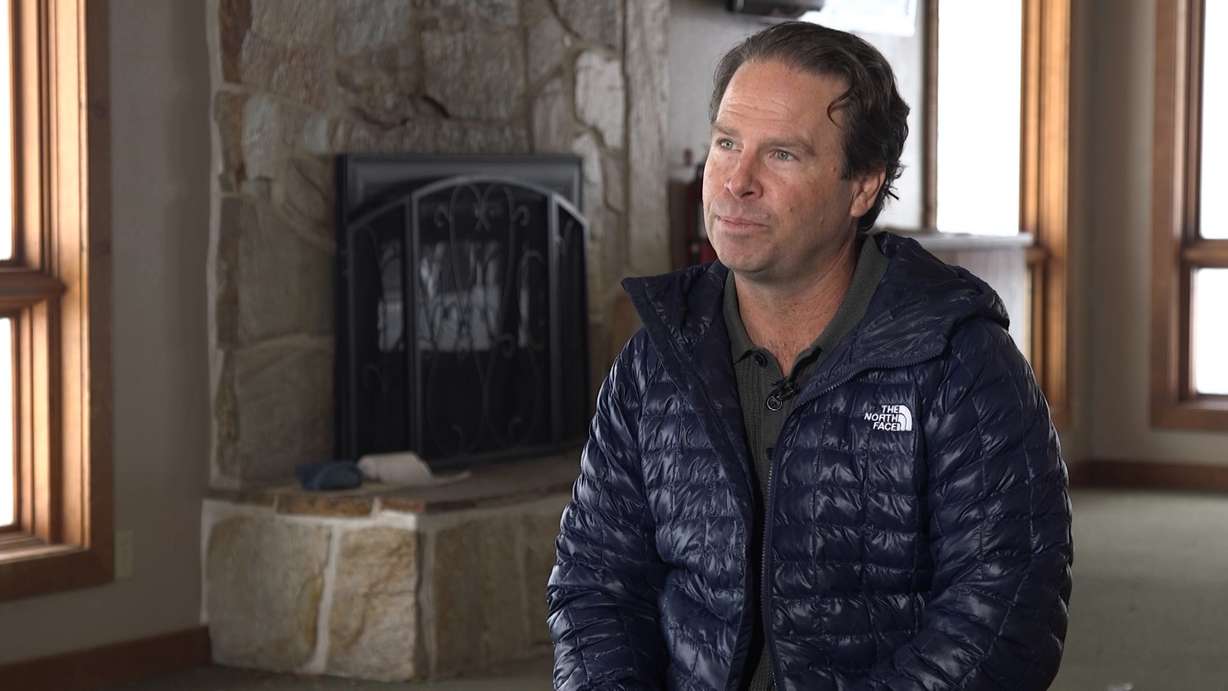
"I'm not a quitter, Alex," he said. "We set out with a plan. This is certainly disruptive, but it's not going to stop us. We've got a mission."
That mission goes beyond repairing chairlifts and reopening ski runs.
Gadbaw said he remains committed to the employees who helped build Eagle Point, the surrounding Beaver County community, and the families who have come to appreciate the resort's smaller, more personal skiing experience.
Unlike larger ski destinations, Eagle Point has long focused on offering a quieter mountain getaway where families can spend time together without the crowds associated with bigger resorts.
Gadbaw wants to preserve that atmosphere while using the rebuilding process as an opportunity to improve the resort.
"We're not just going to put it back the same way," he said. "It's not going to be the same Eagle Point. We're in the process of reimagining what Eagle Point should look like."
That work has already begun.
Debris removal at Canyonside Lodge has been completed.
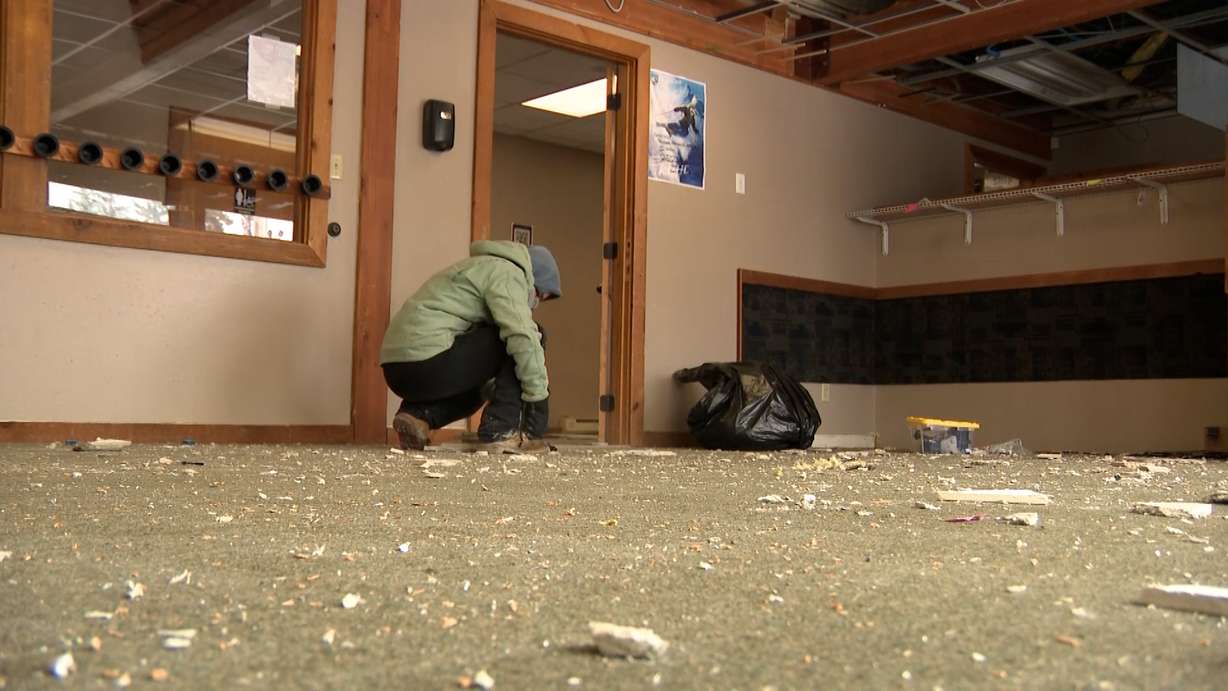
Crews have cleared hazardous trees near lifts, and engineers continue evaluating the repairs needed to restore chairlift operations.
Rocky Mountain Power has completed repairs to the electrical grid serving the resort area, while the Utah Department of Transportation has been working toward restoring access along the damaged mountain road.
The recovery has also attracted support from across the ski industry.
Solitude Mountain Resort has contributed to a nonprofit recovery foundation, Park City Mountain has offered assistance connecting displaced Eagle Point employees with job opportunities and lift manufacturers have provided engineering expertise to help evaluate damaged equipment.
Other resorts have also offered advice, assistance and support as Eagle Point works toward reopening.
Gadbaw also helped establish *BeaverTUF, the Beaver Tushar Unity Foundation, following the wildfire.
The nonprofit organization is focused on helping Beaver County recover from the fire, particularly through forest restoration, watershed rehabilitation and projects that may not be covered by insurance or government assistance.
Gadbaw said the foundation was created after people began asking how they could help.
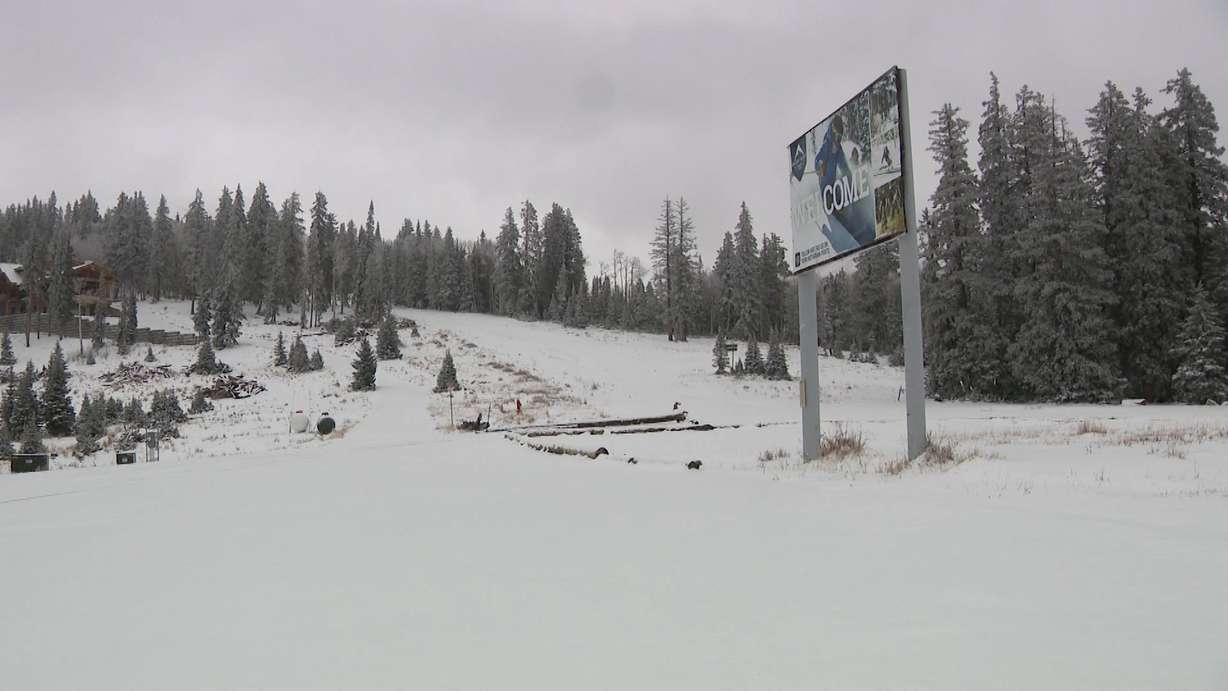
"We didn't want to start a GoFundMe page," he said. "We're insured. So, we didn't want people to help us, necessarily. We wanted to help the things that needed the most help, which is the forest around us."
Donations can also help provide matching funds for larger state and federal restoration grants.
While there is still plenty of uncertainty surrounding Eagle Point's recovery, including how long some repairs will take and when the resort will be ready to welcome skiers again, Gadbaw feels the challenges haven't changed his long-term plans.
"The fire, it certainly changed the landscape, but it didn't change the vision. It didn't change my commitment. If anything, I dug my heels in even deeper," he said.
While the coming winter will look very different at Eagle Point, Gadbaw believes the work happening today will make future ski seasons possible.
"It feels good to be in this new phase," he said.
*KSL.com does not assure that the money deposited to the account will be applied for the benefit of the persons named as beneficiaries. If you are considering a deposit to the account, you should consult your own advisers and otherwise proceed at your own risk.