'%3e%3cpath%20d='M34.1406%205.85938C30.3906%202.10547%2025.3047%200%2020%200C14.6953%200%209.60938%202.10547%205.85938%205.85938C2.10938%209.61328%200%2014.6953%200%2020C0%2025.3047%202.10547%2030.3906%205.85938%2034.1406C9.61328%2037.8906%2014.6953%2040%2020%2040C25.3047%2040%2030.3906%2037.8945%2034.1406%2034.1406C37.8906%2030.3906%2040%2025.3047%2040%2020C40%2014.6953%2037.8945%209.60938%2034.1406%205.85938ZM37.0117%2023.543H31.1602V13.5391H27.6328V19.9414C28.1211%2020.6914%2028.3711%2021.582%2028.3711%2022.5625V22.625C28.3711%2023.668%2028.1172%2024.6055%2027.6328%2025.4297V26.6094H36.082C33.4883%2032.9375%2027.2891%2037.3789%2020.0039%2037.3789C10.3711%2037.3789%202.62109%2029.6289%202.62109%2020C2.62109%2010.3711%2010.3711%202.62109%2020%202.62109C29.6289%202.62109%2037.3789%2010.3711%2037.3789%2020C37.3789%2021.1484%2037.2617%2022.2656%2037.0508%2023.3477C37.0391%2023.4141%2037.0234%2023.4766%2037.0117%2023.543Z'%20fill='white'/%3e%3cpath%20d='M22.3086%2018.5352C20.4336%2018.125%2019.9531%2017.8398%2019.9766%2017.1836V17.1406C19.9766%2016.6992%2020.3477%2016.2148%2021.4023%2016.2148C22.582%2016.2148%2023.8867%2016.6797%2025.0781%2017.4766L26.8516%2015.0195C25.4453%2013.8906%2023.707%2013.3398%2021.5547%2013.3398C18.5195%2013.3398%2016.4375%2015%2016.4063%2017.4766V17.5352C16.3633%2020.2617%2018.5859%2020.9805%2021.293%2021.6016C23.0391%2021.9766%2023.5703%2022.3164%2023.5703%2022.9609L23.5469%2022.9766C23.5469%2023.3906%2023.2578%2023.7031%2022.7852%2023.8359C22.5742%2023.9062%2022.1289%2023.9727%2021.5156%2023.9727C20.7617%2023.9727%2019.7539%2023.8633%2018.6328%2023.4844C18.0898%2023.2891%2017.4727%2023.0039%2016.8047%2022.6133L20.1406%2026.625C20.2813%2026.6602%2021.0977%2026.8516%2021.7734%2026.8516C25.0039%2026.8516%2027.0859%2025.2461%2027.1094%2022.6328V22.5703C27.1602%2020.1133%2025.2148%2019.1719%2022.3086%2018.5352Z'%20fill='white'/%3e%3cpath%20d='M5.24219%2013.5664V26.6133H8.75391V23.7578L10.2969%2021.9531L14.2031%2026.6133H18.3867L12.3555%2019.5195L17.4023%2013.5664H13.4531L8.75391%2019.0586V13.5664H5.24219Z'%20fill='white'/%3e%3c/g%3e%3cdefs%3e%3cclipPath%20id='clip0_97_2430'%3e%3crect%20width='40'%20height='40'%20fill='white'/%3e%3c/clipPath%3e%3c/defs%3e%3c/svg%3e)




Estimated read time: 2-3 minutes
- The Salt Lake Temple renovation includes a major seismic upgrade beneath the structure.
- Project manager Georges Bonnet highlights the installation of 98 base isolators.
- The renovation preserves historic features like Tiffany glass while enhancing earthquake resilience.
SALT LAKE CITY — As renovation work at the Salt Lake Temple nears public view, church leaders are highlighting one of the project's most significant accomplishments: a massive seismic upgrade hidden beneath the historic structure.
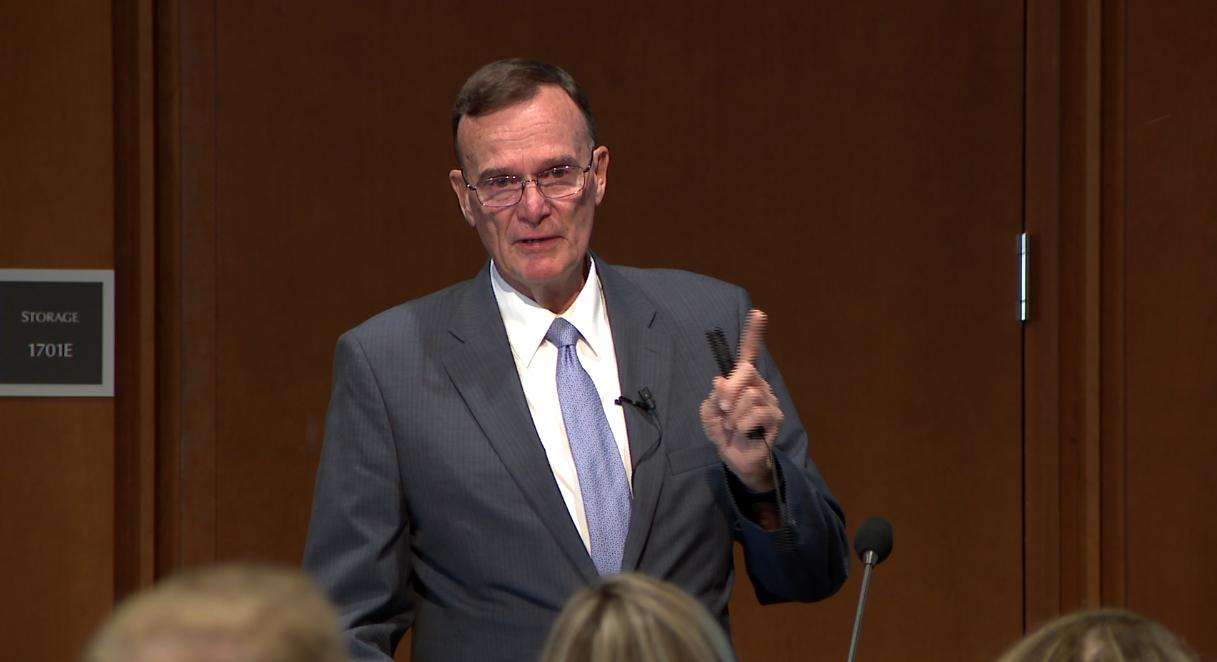
For Georges Bonnet, who has managed the project, the nearly seven-year effort has been remarkable.
"For the pioneers and for us today, this project is nothing short of a miracle," Bonnet said.
The renovation aims to preserve the iconic temple while preparing it to withstand a major earthquake, a threat its 19th-century builders could never have anticipated.
According to Bonnet, the 2020 Magna earthquake helped reinforce the need for the project.
"That earthquake woke us up and validated what we're doing to protect the temple," he said.
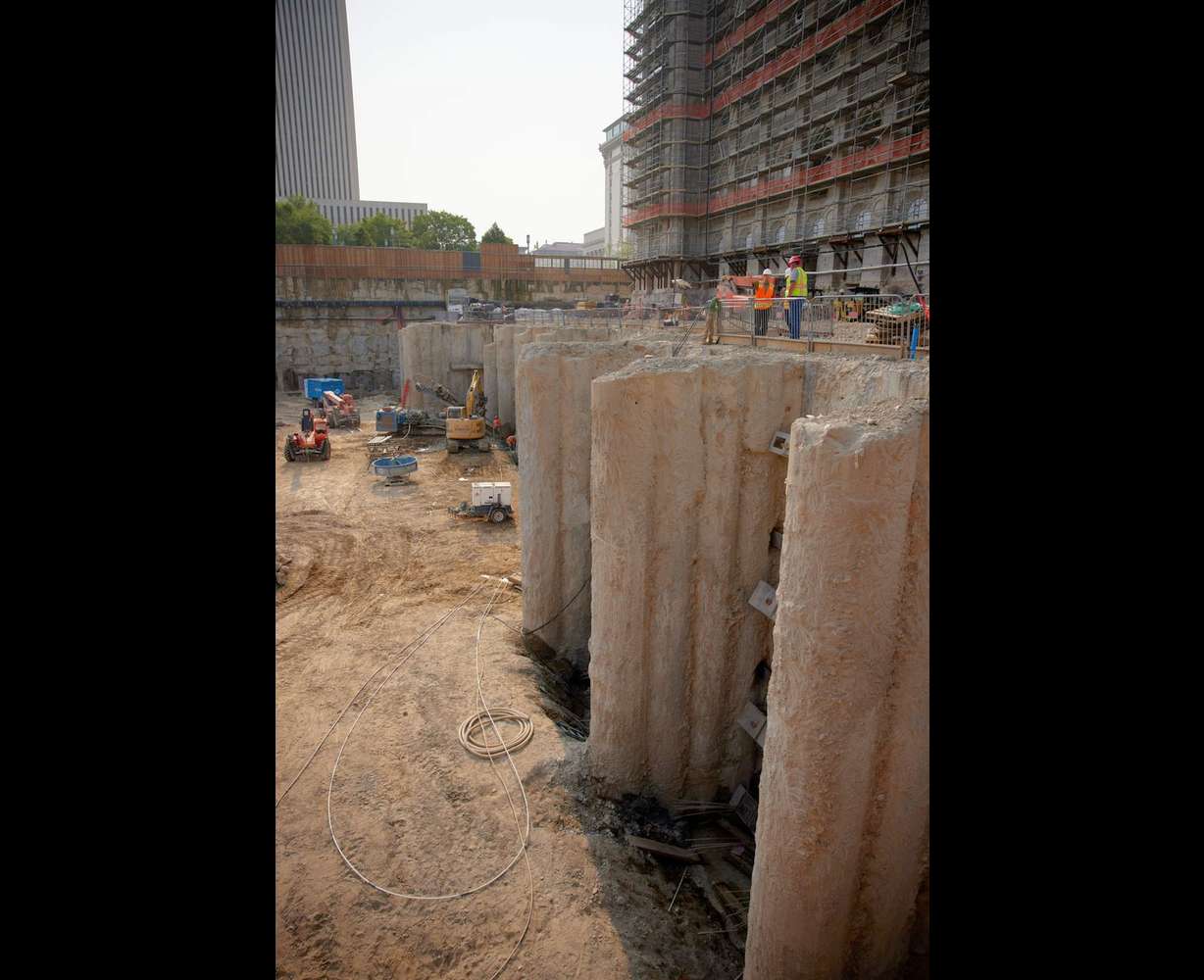
The work began underground, where engineers strengthened the original foundation by filling gaps with high-strength grout. Crews then built an entirely new seismic foundation beneath the temple.
A key part of that system is the installation of 98 base isolators, each weighing about 18,000 pounds. The devices are designed to allow the temple to move independently of the ground during a significant earthquake.
"These base isolators can move five feet in any direction during a serious seismic event," Bonnet said.
Above ground, workers reinforced the temple's roof, towers and walls. To gain access to internal structural components, crews removed approximately 6,000 stones from the temple's spires and upper walls.
"We removed 6,000 stones so we could access and reinforce the temple's columns," Bonnet said.
While engineers focused on strengthening the building, restoration specialists worked to preserve its historic character. Rather than replacing many original features, crews restored them, including the temple's renowned Tiffany glass.
"The Tiffany glass was removed, restored and then put back in place," Bonnet said.
After years of engineering work and restoration, Bonnet says the project reflects the same dedication shown by the pioneers who built the temple more than a century ago.
"It's a work of love. There's a commitment that goes beyond just doing a job," he said.
The renovation is expected to reveal both the visible restoration work and the hidden seismic innovations that will help protect the Salt Lake Temple for generations to come.