'%3e%3cpath%20d='M34.1406%205.85938C30.3906%202.10547%2025.3047%200%2020%200C14.6953%200%209.60938%202.10547%205.85938%205.85938C2.10938%209.61328%200%2014.6953%200%2020C0%2025.3047%202.10547%2030.3906%205.85938%2034.1406C9.61328%2037.8906%2014.6953%2040%2020%2040C25.3047%2040%2030.3906%2037.8945%2034.1406%2034.1406C37.8906%2030.3906%2040%2025.3047%2040%2020C40%2014.6953%2037.8945%209.60938%2034.1406%205.85938ZM37.0117%2023.543H31.1602V13.5391H27.6328V19.9414C28.1211%2020.6914%2028.3711%2021.582%2028.3711%2022.5625V22.625C28.3711%2023.668%2028.1172%2024.6055%2027.6328%2025.4297V26.6094H36.082C33.4883%2032.9375%2027.2891%2037.3789%2020.0039%2037.3789C10.3711%2037.3789%202.62109%2029.6289%202.62109%2020C2.62109%2010.3711%2010.3711%202.62109%2020%202.62109C29.6289%202.62109%2037.3789%2010.3711%2037.3789%2020C37.3789%2021.1484%2037.2617%2022.2656%2037.0508%2023.3477C37.0391%2023.4141%2037.0234%2023.4766%2037.0117%2023.543Z'%20fill='white'/%3e%3cpath%20d='M22.3086%2018.5352C20.4336%2018.125%2019.9531%2017.8398%2019.9766%2017.1836V17.1406C19.9766%2016.6992%2020.3477%2016.2148%2021.4023%2016.2148C22.582%2016.2148%2023.8867%2016.6797%2025.0781%2017.4766L26.8516%2015.0195C25.4453%2013.8906%2023.707%2013.3398%2021.5547%2013.3398C18.5195%2013.3398%2016.4375%2015%2016.4063%2017.4766V17.5352C16.3633%2020.2617%2018.5859%2020.9805%2021.293%2021.6016C23.0391%2021.9766%2023.5703%2022.3164%2023.5703%2022.9609L23.5469%2022.9766C23.5469%2023.3906%2023.2578%2023.7031%2022.7852%2023.8359C22.5742%2023.9062%2022.1289%2023.9727%2021.5156%2023.9727C20.7617%2023.9727%2019.7539%2023.8633%2018.6328%2023.4844C18.0898%2023.2891%2017.4727%2023.0039%2016.8047%2022.6133L20.1406%2026.625C20.2813%2026.6602%2021.0977%2026.8516%2021.7734%2026.8516C25.0039%2026.8516%2027.0859%2025.2461%2027.1094%2022.6328V22.5703C27.1602%2020.1133%2025.2148%2019.1719%2022.3086%2018.5352Z'%20fill='white'/%3e%3cpath%20d='M5.24219%2013.5664V26.6133H8.75391V23.7578L10.2969%2021.9531L14.2031%2026.6133H18.3867L12.3555%2019.5195L17.4023%2013.5664H13.4531L8.75391%2019.0586V13.5664H5.24219Z'%20fill='white'/%3e%3c/g%3e%3cdefs%3e%3cclipPath%20id='clip0_97_2430'%3e%3crect%20width='40'%20height='40'%20fill='white'/%3e%3c/clipPath%3e%3c/defs%3e%3c/svg%3e)


- President Donald Trump will announce that all 50 states, including the District of Columbia and Puerto Rico, will join his new Medicaid drug pricing plan Friday.
- The plan could save states $27.6 billion and the federal government $36.6 billion.
- Critics worry about reduced treatments; PhRMA's Steve Ubl called it an import of foreign prices.
WASHINGTON — President Donald Trump plans to announce on Friday that all 50 states, the District of Columbia and Puerto Rico signed on to participate in his most-favored-nation drug pricing scheme for the Medicaid program for low-income Americans, a White House official said.
According to the White House Council of Economic Advisers, the drug pricing push could save state governments $27.6 billion and the federal government $36.6 billion over the next decade.
The U.S. pays more for prescription drugs than any other country, often nearly three times as much as other developed nations. Trump has repeatedly said he wants to narrow this gap.
His administration signed deals with more than two dozen drugmakers, including most of the world's largest pharmaceutical companies like Pfizer, Eli Lilly and Novo Nordisk, starting last year.
Under the program, called the GENEROUS model, the companies agreed to offer lower prices to Medicaid for many of their drugs. These prices are supposed to be comparable to what is paid in other developed countries — referred to as "most-favored-nation" pricing.
Medicaid, funded jointly by state and federal governments, already draws steep discounts from drugmakers, mandated by existing law. Most people covered by the health program for low-income Americans pay little out of pocket for prescriptions.
Last month, the administration announced a new round of drug-pricing agreements with international pharmaceutical companies and some smaller biotech firms.
The biggest savings so far from the most-favored-nation deals have come from weight-loss drugs. Novo and Lilly agreed to price cuts in return for their medicines being made more available through the Medicare program.
But beyond weight-loss drugs, critics have been skeptical about how much price relief Americans are really receiving from the White House agreements.
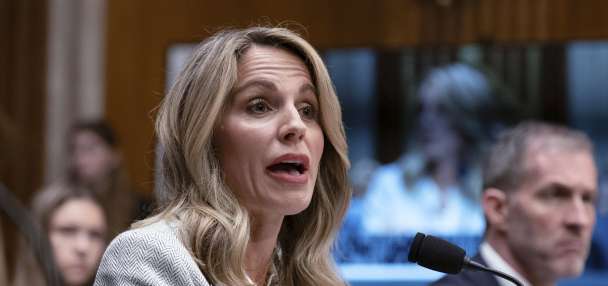
Steve Ubl, chief executive of industry lobby group PhRMA, criticized the new policies as "importing foreign prices from socialist countries."
"It would mean less treatments and cures and would jeopardize the hundreds of billions our member companies are planning to invest in America," Ubl said in a statement.
The White House has held several high-profile events with pharmaceutical executives this year to promote its efforts on healthcare costs, part of a broader push to highlight affordability before this year's midterm elections that will decide control of Congress.
Contributing: Anusha Shah, Sriparna Roy and Michael Erman