'%3e%3cpath%20d='M34.1406%205.85938C30.3906%202.10547%2025.3047%200%2020%200C14.6953%200%209.60938%202.10547%205.85938%205.85938C2.10938%209.61328%200%2014.6953%200%2020C0%2025.3047%202.10547%2030.3906%205.85938%2034.1406C9.61328%2037.8906%2014.6953%2040%2020%2040C25.3047%2040%2030.3906%2037.8945%2034.1406%2034.1406C37.8906%2030.3906%2040%2025.3047%2040%2020C40%2014.6953%2037.8945%209.60938%2034.1406%205.85938ZM37.0117%2023.543H31.1602V13.5391H27.6328V19.9414C28.1211%2020.6914%2028.3711%2021.582%2028.3711%2022.5625V22.625C28.3711%2023.668%2028.1172%2024.6055%2027.6328%2025.4297V26.6094H36.082C33.4883%2032.9375%2027.2891%2037.3789%2020.0039%2037.3789C10.3711%2037.3789%202.62109%2029.6289%202.62109%2020C2.62109%2010.3711%2010.3711%202.62109%2020%202.62109C29.6289%202.62109%2037.3789%2010.3711%2037.3789%2020C37.3789%2021.1484%2037.2617%2022.2656%2037.0508%2023.3477C37.0391%2023.4141%2037.0234%2023.4766%2037.0117%2023.543Z'%20fill='white'/%3e%3cpath%20d='M22.3086%2018.5352C20.4336%2018.125%2019.9531%2017.8398%2019.9766%2017.1836V17.1406C19.9766%2016.6992%2020.3477%2016.2148%2021.4023%2016.2148C22.582%2016.2148%2023.8867%2016.6797%2025.0781%2017.4766L26.8516%2015.0195C25.4453%2013.8906%2023.707%2013.3398%2021.5547%2013.3398C18.5195%2013.3398%2016.4375%2015%2016.4063%2017.4766V17.5352C16.3633%2020.2617%2018.5859%2020.9805%2021.293%2021.6016C23.0391%2021.9766%2023.5703%2022.3164%2023.5703%2022.9609L23.5469%2022.9766C23.5469%2023.3906%2023.2578%2023.7031%2022.7852%2023.8359C22.5742%2023.9062%2022.1289%2023.9727%2021.5156%2023.9727C20.7617%2023.9727%2019.7539%2023.8633%2018.6328%2023.4844C18.0898%2023.2891%2017.4727%2023.0039%2016.8047%2022.6133L20.1406%2026.625C20.2813%2026.6602%2021.0977%2026.8516%2021.7734%2026.8516C25.0039%2026.8516%2027.0859%2025.2461%2027.1094%2022.6328V22.5703C27.1602%2020.1133%2025.2148%2019.1719%2022.3086%2018.5352Z'%20fill='white'/%3e%3cpath%20d='M5.24219%2013.5664V26.6133H8.75391V23.7578L10.2969%2021.9531L14.2031%2026.6133H18.3867L12.3555%2019.5195L17.4023%2013.5664H13.4531L8.75391%2019.0586V13.5664H5.24219Z'%20fill='white'/%3e%3c/g%3e%3cdefs%3e%3cclipPath%20id='clip0_97_2430'%3e%3crect%20width='40'%20height='40'%20fill='white'/%3e%3c/clipPath%3e%3c/defs%3e%3c/svg%3e)


- Douglas Carter's attorney seeks dismissal of his death penalty case due to lost evidence.
- Judge denies Carter bail; trial date to be finalized Sept. 22.
- Attorney criticizes Utah prosecutors' handling of evidence, citing delays and misconduct.
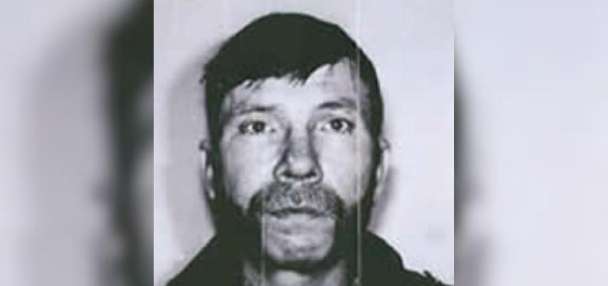
PROVO — The same day Douglas Carter turned 71, his attorneys asked a judge to dismiss the death penalty case that put him on death row 41 years ago.
A day later, the judge who found misconduct by police and prosecutors so significant that he vacated Carter's aggravated murder conviction, issued a written order denying Carter bail while he waits for a new trial.
"(The judge) gave us trial dates (Tuesday)," said Carter's attorney Neal Hamilton. "And they asked, 'Do you want us to set the trial by email, or do you want a hearing?' And I said, 'I'm dropping some motions. I'm going to want a hearing."
A hearing is scheduled for Tuesday, Sept. 22, and that's when Hamilton says a trial date will be finalized. But he also plans to ask Judge Derek Pullan to set a hearing on the motion to dismiss, as well as set deadlines for prosecutors to respond to requests for discovery, some of which were made in the fall of 2025.
Hamilton said he was "frustrated" by the judge's decision to deny Carter any options for pre-trial release, and it makes the delays that prompted the motions he filed last week more urgent.
In addition to the motion to dismiss, which is based on the loss or destruction of evidence in the 1985 case where Eva Oleson was stabbed and shot to death in her Provo home, Hamilton filed a motion asking the judge to order the state to respond to multiple discovery requests.
He says the way Carter's case is being handled by Utah County prosecutors is "unprecedented."
"If this were a speeding ticket, this behavior, this non-responsiveness to our discovery requests would be unacceptable, and frankly, would likely result in dismissal," Hamilton said. "That this is happening on an aggravated murder case where they have filed the notice of their intent to seek my client's life, is just inexcusable. We should not be having to go to the court again and again and again to ask with our hat in our hands to please make the state do what is plainly and clearly and unequivocally required of them under statute, rule, and constitution."
Hamilton said the only explanation prosecutors have offered for their slow or non-responses to discovery requests is that the office is overwhelmed with the demands of several capital murder cases, including the high-profile prosecution of Tyler Robinson for the assassination of conservative political activist Charlie Kirk.
"If they are so overwhelmed they can't be bothered to comply with the bare minimum requirements, maybe they shouldn't be filing so many aggravated murder cases," Hamilton said. "Get your office in order before you do this to anyone else."
He believes Judge Pullan will set "tight deadlines" for the state to respond to the motions.
"I don't think for one second that my concerns are going to fall on deaf ears with the court," he said. "On this issue, on these basic discovery requests, I can say with certainty that there is not a judge in this state who would be okay with this."
Hamilton's motion to dismiss is based on the loss or destruction of evidence, including a tape of Carter's confession, plaster molds of what police believed were the killer's footprints, and some DNA evidence.
But it isn't just the lost evidence, the motion details numerous problems with how evidence was cataloged in the initial investigation, some of which make it impossible to use in a trial.
For example, Hamilton said in the last hearing, a witness talked about conducting DNA testing on a pair of pantyhose.
"Read through the facts section and tell me, at the end of the day, if you know where those pantyhose came from," Hamilton said. "Because I don't."
Carter gave the state a DNA sample on Aug. 28 so the state crime lab could conduct side-by-side tests on evidence from the crime scene that both prosecutors and Hamilton believe could decide the case. But Hamilton said prosecutors still haven't explained why they said in court documents and private conversations with defense counsel that some of the evidence now being tested had been lost, destroyed or never existed.
"We do not know where some of this evidence that they are currently testing came from," Hamilton said. "They did seize clothing. They didn't document anywhere what the clothing was that was seized. …They didn't even bother to document whose clothing it was that they collected."
But it's the fingerprint evidence that bothers him most.
"The fingerprint kills me," Hamilton said. "They collected 19 lifts from that crime scene."
Defense attorneys say Eva's husband, Orla, was a suspect, and two of the 19 fingerprints are his. But because police didn't catalog where each of the 19 prints was found, they're useless in a trial.
"These prints could have been lifted from the murder weapon," he said. "They could have been (found) on his bedroom door. It makes a difference, and they didn't document any of that. I mean, what's the story? Man's fingerprints found in his own home."
He said they did make detailed reports about where some evidence was found, but not the fingerprints or much of the clothing.
"Even in 1985, this is just shoddy police work," he said.
Hamilton said his expert still doesn't have access to the raw DNA evidence, so the defense can't verify the results of any tests for themselves.
Hamilton argued the delays are unfair to both Carter and the Oleson family.
"We've already lost half our witnesses," he said. "They're dead … The evidence is disappearing … and our judge is retiring. I want Pullan to decide (these motions). No one knows this case, no one knows the facts better than he does."
Pullan has also said he wants to rule on a motion to suppress Carter's confession, but both sides agreed to wait on that until the state finished new DNA tests.
"Our goal is that he gets out and lives whatever is left of his life," Hamilton said, "and I don't want him to miss a birthday or a holiday on account of us not working as fast as we possibly could."
Prosecutors didn't respond to a request for comment.

Most recent Police & Courts stories
Related topics
 Amy Donaldson