'%3e%3cpath%20d='M34.1406%205.85938C30.3906%202.10547%2025.3047%200%2020%200C14.6953%200%209.60938%202.10547%205.85938%205.85938C2.10938%209.61328%200%2014.6953%200%2020C0%2025.3047%202.10547%2030.3906%205.85938%2034.1406C9.61328%2037.8906%2014.6953%2040%2020%2040C25.3047%2040%2030.3906%2037.8945%2034.1406%2034.1406C37.8906%2030.3906%2040%2025.3047%2040%2020C40%2014.6953%2037.8945%209.60938%2034.1406%205.85938ZM37.0117%2023.543H31.1602V13.5391H27.6328V19.9414C28.1211%2020.6914%2028.3711%2021.582%2028.3711%2022.5625V22.625C28.3711%2023.668%2028.1172%2024.6055%2027.6328%2025.4297V26.6094H36.082C33.4883%2032.9375%2027.2891%2037.3789%2020.0039%2037.3789C10.3711%2037.3789%202.62109%2029.6289%202.62109%2020C2.62109%2010.3711%2010.3711%202.62109%2020%202.62109C29.6289%202.62109%2037.3789%2010.3711%2037.3789%2020C37.3789%2021.1484%2037.2617%2022.2656%2037.0508%2023.3477C37.0391%2023.4141%2037.0234%2023.4766%2037.0117%2023.543Z'%20fill='white'/%3e%3cpath%20d='M22.3086%2018.5352C20.4336%2018.125%2019.9531%2017.8398%2019.9766%2017.1836V17.1406C19.9766%2016.6992%2020.3477%2016.2148%2021.4023%2016.2148C22.582%2016.2148%2023.8867%2016.6797%2025.0781%2017.4766L26.8516%2015.0195C25.4453%2013.8906%2023.707%2013.3398%2021.5547%2013.3398C18.5195%2013.3398%2016.4375%2015%2016.4063%2017.4766V17.5352C16.3633%2020.2617%2018.5859%2020.9805%2021.293%2021.6016C23.0391%2021.9766%2023.5703%2022.3164%2023.5703%2022.9609L23.5469%2022.9766C23.5469%2023.3906%2023.2578%2023.7031%2022.7852%2023.8359C22.5742%2023.9062%2022.1289%2023.9727%2021.5156%2023.9727C20.7617%2023.9727%2019.7539%2023.8633%2018.6328%2023.4844C18.0898%2023.2891%2017.4727%2023.0039%2016.8047%2022.6133L20.1406%2026.625C20.2813%2026.6602%2021.0977%2026.8516%2021.7734%2026.8516C25.0039%2026.8516%2027.0859%2025.2461%2027.1094%2022.6328V22.5703C27.1602%2020.1133%2025.2148%2019.1719%2022.3086%2018.5352Z'%20fill='white'/%3e%3cpath%20d='M5.24219%2013.5664V26.6133H8.75391V23.7578L10.2969%2021.9531L14.2031%2026.6133H18.3867L12.3555%2019.5195L17.4023%2013.5664H13.4531L8.75391%2019.0586V13.5664H5.24219Z'%20fill='white'/%3e%3c/g%3e%3cdefs%3e%3cclipPath%20id='clip0_97_2430'%3e%3crect%20width='40'%20height='40'%20fill='white'/%3e%3c/clipPath%3e%3c/defs%3e%3c/svg%3e)


Estimated read time: 5-6 minutes
- Emigration Canyon residents express concerns over HF Sinclair's proposed pipeline expansion.
- The project aims to boost fuel capacity in Utah amid growing regional demand.
- Residents worry about environmental risks and lack of local benefits from the project.
SALT LAKE CITY — Homeowners in Emigration Canyon are raising concerns about a proposed fuel pipeline project from HF Sinclair that could bring a new refined petroleum pipeline through the area as the company looks to expand fuel transportation capacity in Utah and across the Mountain West.
Sinclair representatives presented the Westline Connect proposal to the Emigration Canyon City Council this week, outlining plans that could expand the region's refined fuel pipeline network. The project remains in its early planning stages, and no final route has been selected.
According to HF Sinclair, growing fuel demand in the Mountain West has put pressure on existing infrastructure.
"Fuel demand across the Mountain West has grown faster than the region's existing pipeline network, leaving producers more reliant on truck transport than pipeline capacity would otherwise require. Project Westline Connect will help close that gap, supporting a steadier, more cost-competitive fuel supply and removing unnecessary truck traffic from highways across all four states," the company said in a statement.
The proposal would involve expansion of the Pioneer Pipeline, which brings refined fuels into Utah from Wyoming, and the UNEV Pipeline, which transports refined petroleum products from the Salt Lake City area to Las Vegas.
"The current pipeline, the Pioneer Pipeline, has an existing capacity of 60,000 barrels a day. We're looking to increase that volume by an additional 35,000 barrels a day," said Jeremy Price, HF Sinclair's senior manager for government and public affairs.
Sinclair representatives also said the Westline Connect project would improve fuel supply reliability and strengthen economic stability within Utah's petroleum industry.
"It's an important project that will improve safety, reduce volatility in the marketplace and allow us to bring more transportation fuels into the Utah market," said Price.
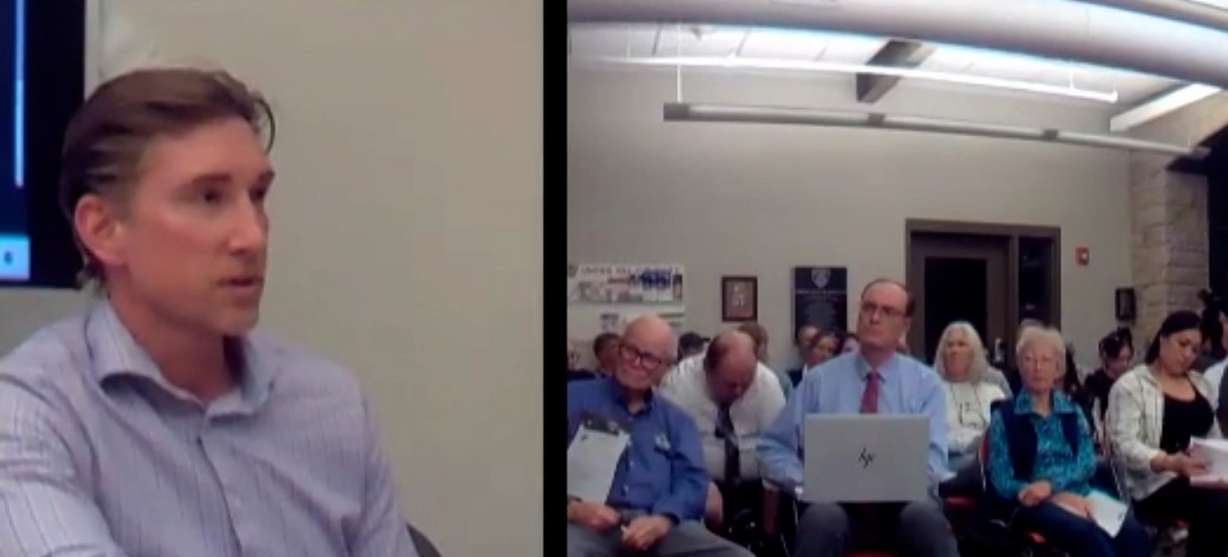
But many residents attending the public meeting focused on the environmental risks associated with a potential pipeline through the canyon.
Brian Rothschild, who lives in Emigration Canyon and is an environmental and bankruptcy attorney, warned of the potential impact of a refined fuel spill on local groundwater resources.
"I've dealt with all kinds of environmental catastrophes and disasters. We have a crude oil pipeline already that is (a) materially different proposition than a gasoline pipeline. One can be cleaned up at a reasonable cost, and they're contained, and they're containable," Rothschild said. "The others are long generational disasters, and they are groundwater contamination that prevent groundwater flows from being used for generations."
He also questioned what benefits the project would provide to canyon residents.
"What is the upside for people who live in the canyon? What is the benefit?" Rothschild asked. "There's no jobs coming in for this."
Other residents referenced Chevron's 2010 Red Butte Creek oil spill, expressing concern about the consequences of any future pipeline accident in a sensitive watershed area. Others were upset at the lack of notice given to residents, and lack of understanding about who makes the final decisions about pipeline approval, placement, and risk mitigation.
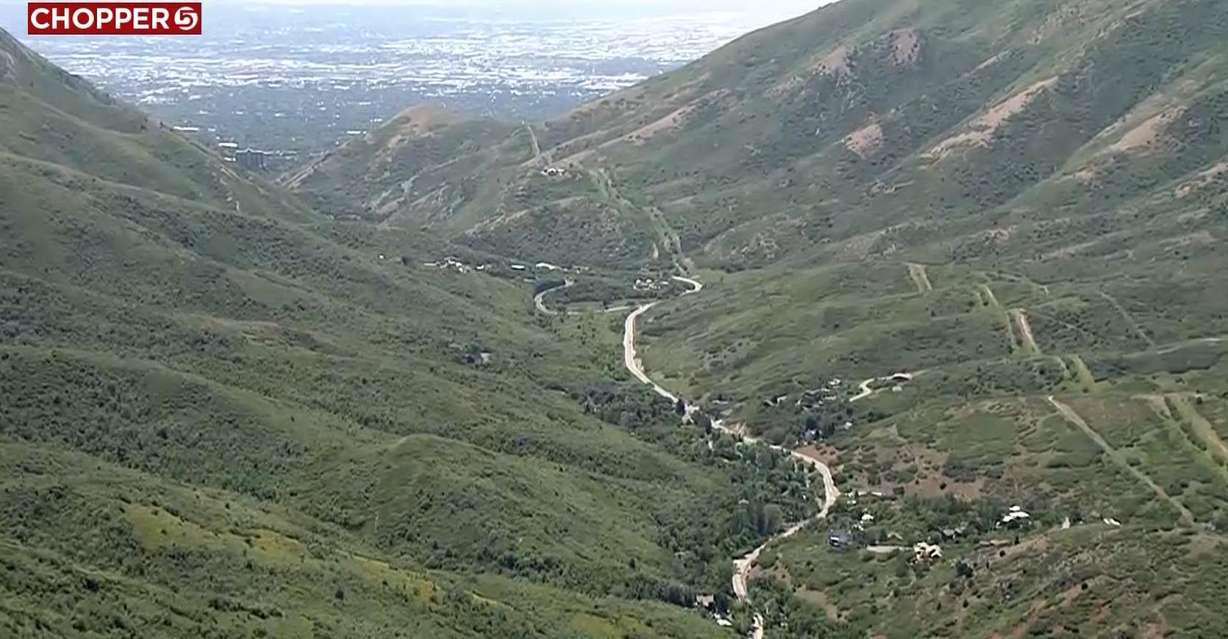
HF Sinclair officials emphasized that no decisions have been made regarding whether the company would construct a new pipeline or expand existing infrastructure. Company representatives also said a route through Emigration Canyon has not been finalized.
"We're looking at all options right now," Price said. "We're in the information-gathering phase, the planning phases. We understand the comment, appreciate it and we'll take that back to our folks."
The project aligns with priorities outlined by the Utah Legislature in HB 3, passed during the most recent legislative session. The legislation expresses support for expanding fuel transportation infrastructure to improve fuel supply reliability and calls for state agencies, local governments and industry stakeholders to work collaboratively toward increasing fuel transportation capacity.
The bill includes a goal of moving an additional 1.4 million gallons of fuel per day by 2028.
Starting Friday, residents can expect to see survey crews in parts of Emigration Canyon collecting measurements related to the planning process.
"Our land agents will be in your community talking with property owners along or near various route options. We do not have a proposed route to show you at this time, as these land agents will be collecting survey data that will inform route options. This includes historical and environmental data, archeological data, along with information that will help us assess engineering and construction ability," Price read from a prepared statement.
Sinclair has also established an email address for public comment as it gathers feedback from residents and stakeholders: westlineconnect@hfsinclair.com.
Industry experts note that even if additional pipeline capacity is ultimately built, the project would not necessarily translate into lower gasoline prices for Utah consumers. However, supporters argue it could provide greater fuel supply flexibility and reliability as demand continues to grow throughout the region.
For now, the proposal remains in the planning phase, with company officials continuing to evaluate routes and gather public input before making any final decisions.
The full statement HF Sinclair provided KSL Wednesday is below:
"HF Sinclair is assessing the viability of Project Westline Connect, targeting upgrades to existing refined products infrastructure – including pipelines, refineries, terminals, and pump stations – across the Mountain West. The project is in the evaluation stage at this time. Fuel demand across the Mountain West has grown faster than the region's existing pipeline network, leaving producers more reliant on truck transport than pipeline capacity would otherwise require. Project Westline Connect will help close that gap, supporting a steadier, more cost competitive fuel supply and removing unnecessary truck traffic from highways across all four states. The project will also allow for flexibility during times of tight supply or disruption, decreasing volatility in the market. HF Sinclair's footprint in the Rocky Mountain region has grown substantially over the last several years. We are the largest supplier of fuels to several states in the region, and we are positioned for continued expansion to meet increasing demand. HF Sinclair is committed to constructing and operating infrastructure safely, responsibly, while respecting communities and natural environments where we work. Safety, environmental protection, and community engagement are integrated into every phase of project development, construction, and operation. We design, construct, and operate assets in accordance with applicable federal, state, and local regulations, as well as recognized industry standards."