'%3e%3cpath%20d='M34.1406%205.85938C30.3906%202.10547%2025.3047%200%2020%200C14.6953%200%209.60938%202.10547%205.85938%205.85938C2.10938%209.61328%200%2014.6953%200%2020C0%2025.3047%202.10547%2030.3906%205.85938%2034.1406C9.61328%2037.8906%2014.6953%2040%2020%2040C25.3047%2040%2030.3906%2037.8945%2034.1406%2034.1406C37.8906%2030.3906%2040%2025.3047%2040%2020C40%2014.6953%2037.8945%209.60938%2034.1406%205.85938ZM37.0117%2023.543H31.1602V13.5391H27.6328V19.9414C28.1211%2020.6914%2028.3711%2021.582%2028.3711%2022.5625V22.625C28.3711%2023.668%2028.1172%2024.6055%2027.6328%2025.4297V26.6094H36.082C33.4883%2032.9375%2027.2891%2037.3789%2020.0039%2037.3789C10.3711%2037.3789%202.62109%2029.6289%202.62109%2020C2.62109%2010.3711%2010.3711%202.62109%2020%202.62109C29.6289%202.62109%2037.3789%2010.3711%2037.3789%2020C37.3789%2021.1484%2037.2617%2022.2656%2037.0508%2023.3477C37.0391%2023.4141%2037.0234%2023.4766%2037.0117%2023.543Z'%20fill='white'/%3e%3cpath%20d='M22.3086%2018.5352C20.4336%2018.125%2019.9531%2017.8398%2019.9766%2017.1836V17.1406C19.9766%2016.6992%2020.3477%2016.2148%2021.4023%2016.2148C22.582%2016.2148%2023.8867%2016.6797%2025.0781%2017.4766L26.8516%2015.0195C25.4453%2013.8906%2023.707%2013.3398%2021.5547%2013.3398C18.5195%2013.3398%2016.4375%2015%2016.4063%2017.4766V17.5352C16.3633%2020.2617%2018.5859%2020.9805%2021.293%2021.6016C23.0391%2021.9766%2023.5703%2022.3164%2023.5703%2022.9609L23.5469%2022.9766C23.5469%2023.3906%2023.2578%2023.7031%2022.7852%2023.8359C22.5742%2023.9062%2022.1289%2023.9727%2021.5156%2023.9727C20.7617%2023.9727%2019.7539%2023.8633%2018.6328%2023.4844C18.0898%2023.2891%2017.4727%2023.0039%2016.8047%2022.6133L20.1406%2026.625C20.2813%2026.6602%2021.0977%2026.8516%2021.7734%2026.8516C25.0039%2026.8516%2027.0859%2025.2461%2027.1094%2022.6328V22.5703C27.1602%2020.1133%2025.2148%2019.1719%2022.3086%2018.5352Z'%20fill='white'/%3e%3cpath%20d='M5.24219%2013.5664V26.6133H8.75391V23.7578L10.2969%2021.9531L14.2031%2026.6133H18.3867L12.3555%2019.5195L17.4023%2013.5664H13.4531L8.75391%2019.0586V13.5664H5.24219Z'%20fill='white'/%3e%3c/g%3e%3cdefs%3e%3cclipPath%20id='clip0_97_2430'%3e%3crect%20width='40'%20height='40'%20fill='white'/%3e%3c/clipPath%3e%3c/defs%3e%3c/svg%3e)


Estimated read time: 3-4 minutes
- Utah bear incidents have doubled, with 168 reported cases this year.
- Drought and food scarcity drive bears into urban areas, increasing conflicts.
- Officials advise securing attractants like garbage and food to deter bears.
SALT LAKE CITY — A black bear cub was euthanized this week after being spotted near a central Utah school and located within a window well, a little more than a week after a similar outcome in Logan.
Many sightings have also been reported this summer, and if it feels like the number of these bear-related incidents is up, it's because it is. State wildlife biologists and other agencies have already responded to 168 incidents across the state, double the number from this time last year, according to the Utah Division of Wildlife Resources.
It's also led to the highest number of bear sightings reported in Utah cities, said Chad Wilson, game mammals coordinator for the division.
"The weather this year has unfortunately had huge impacts on the normal food supply for bears, and they are scavenging in unusual areas," he said. "The likelihood of seeing a bear in places you wouldn't think they would be is dramatically higher this year. Unfortunately, their search for food has created some conflicts in some of these areas."
The agency anticipated that could be the case, especially after a pair of notable cases at national parks in neighboring states this spring following a record-low snowpack.
Bears typically stick to the mountains until vegetation dries out, before they move down into lower elevations in search of food. That can be particularly difficult during drought years because there's less vegetation growth.
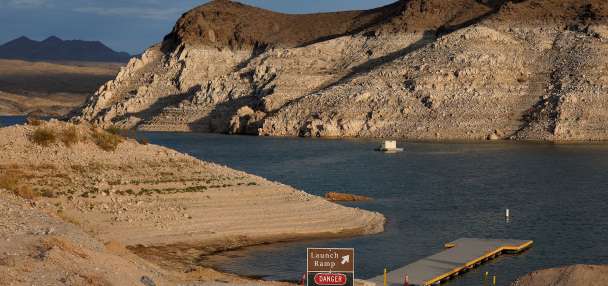
All parts of Utah are in drought, which has been the case for nearly the entire year. Over 90% of the state is in severe, extreme or exceptional drought, showcasing its severity.
A higher number of conflicts have also been reported in Colorado, which has dealt with similar weather conditions this year.
Other factors have also contributed to the increase in conflicts. The state estimates that its black bear population has increased over the past few decades, while Utah's human population growth has pushed more development into previous bear habitats.
Given this year's increase in incidents, Utah wildlife officials recommend that people who live in or near foothills or mountainous areas clean or secure anything on their property that could attract a bear, including bird feeders, compost piles, pet food, water bowls, outdoor pets, grills and garbage cans.
Fruit trees and beehives may attract bears, as well. Campers are also urged to keep their sites clean to avoid run-ins.
Utah's wildlife education website has more information on how to handle a bear interaction.
Wildlife biologists often relocate bears back to natural lands after human interactions, but sometimes decide to euthanize them. Wilson explained that it depends on whether a bear is deemed a risk to the public or has a low chance of surviving in the wild.
"Bears may also be euthanized if they act aggressively toward people, show little fear of people, continue to return to areas with people, or if they have caused significant property damage to a dwelling or structure," he said. "In Utah, we don't have any certified rehabilitators equipped to house and care for bears or other predator animals, and zoos or other accredited facilities are not always a viable option because they have limited space and capacity for accepting new wildlife."