'%3e%3cpath%20d='M34.1406%205.85938C30.3906%202.10547%2025.3047%200%2020%200C14.6953%200%209.60938%202.10547%205.85938%205.85938C2.10938%209.61328%200%2014.6953%200%2020C0%2025.3047%202.10547%2030.3906%205.85938%2034.1406C9.61328%2037.8906%2014.6953%2040%2020%2040C25.3047%2040%2030.3906%2037.8945%2034.1406%2034.1406C37.8906%2030.3906%2040%2025.3047%2040%2020C40%2014.6953%2037.8945%209.60938%2034.1406%205.85938ZM37.0117%2023.543H31.1602V13.5391H27.6328V19.9414C28.1211%2020.6914%2028.3711%2021.582%2028.3711%2022.5625V22.625C28.3711%2023.668%2028.1172%2024.6055%2027.6328%2025.4297V26.6094H36.082C33.4883%2032.9375%2027.2891%2037.3789%2020.0039%2037.3789C10.3711%2037.3789%202.62109%2029.6289%202.62109%2020C2.62109%2010.3711%2010.3711%202.62109%2020%202.62109C29.6289%202.62109%2037.3789%2010.3711%2037.3789%2020C37.3789%2021.1484%2037.2617%2022.2656%2037.0508%2023.3477C37.0391%2023.4141%2037.0234%2023.4766%2037.0117%2023.543Z'%20fill='white'/%3e%3cpath%20d='M22.3086%2018.5352C20.4336%2018.125%2019.9531%2017.8398%2019.9766%2017.1836V17.1406C19.9766%2016.6992%2020.3477%2016.2148%2021.4023%2016.2148C22.582%2016.2148%2023.8867%2016.6797%2025.0781%2017.4766L26.8516%2015.0195C25.4453%2013.8906%2023.707%2013.3398%2021.5547%2013.3398C18.5195%2013.3398%2016.4375%2015%2016.4063%2017.4766V17.5352C16.3633%2020.2617%2018.5859%2020.9805%2021.293%2021.6016C23.0391%2021.9766%2023.5703%2022.3164%2023.5703%2022.9609L23.5469%2022.9766C23.5469%2023.3906%2023.2578%2023.7031%2022.7852%2023.8359C22.5742%2023.9062%2022.1289%2023.9727%2021.5156%2023.9727C20.7617%2023.9727%2019.7539%2023.8633%2018.6328%2023.4844C18.0898%2023.2891%2017.4727%2023.0039%2016.8047%2022.6133L20.1406%2026.625C20.2813%2026.6602%2021.0977%2026.8516%2021.7734%2026.8516C25.0039%2026.8516%2027.0859%2025.2461%2027.1094%2022.6328V22.5703C27.1602%2020.1133%2025.2148%2019.1719%2022.3086%2018.5352Z'%20fill='white'/%3e%3cpath%20d='M5.24219%2013.5664V26.6133H8.75391V23.7578L10.2969%2021.9531L14.2031%2026.6133H18.3867L12.3555%2019.5195L17.4023%2013.5664H13.4531L8.75391%2019.0586V13.5664H5.24219Z'%20fill='white'/%3e%3c/g%3e%3cdefs%3e%3cclipPath%20id='clip0_97_2430'%3e%3crect%20width='40'%20height='40'%20fill='white'/%3e%3c/clipPath%3e%3c/defs%3e%3c/svg%3e)


- Tyler Anger discovered his biological father, Douglas Carter, was on death row.
- Carter's conviction was overturned due to police and prosecutorial misconduct allegations.
- Carter awaits a new trial while questions about DNA evidence and confession persist.
HERRIMAN — Tyler Anger had no idea that his curiosity about his biological father would turn his life upside down and land him in the middle of one of the state's oldest and most high-profile death penalty cases.
"I was adopted when I was five days old," he said. "I always knew it. My parents are white."
When Anger turned 18, his mom asked if he'd like to meet his birth mother and biological siblings.
"It was the summer of 2001," he said. "I met her and my siblings at Temple Square."
As they continued to talk, he asked who his biological father was.
"She just kind of brushed it off," he said. "And it was in December of 2009, I was finally like, 'Who is he?' You've got to tell me."
She gave him a name, and Anger knew immediately the man wasn't his father. He pushed a little harder, and she finally told him the truth.
"She said, 'Well, his name's Douglas Carter, and he's one of the nine inmates on death row at the Utah State Penitentiary,'" he said. "And so that was pretty wild to hear. I didn't really know how to take it. So yeah, that's how I found out about Doug."
His biological father was sentenced to die for the stabbing and shooting of Eva Olesen to death in 1985. "I was the one who looked up and kind of figured out what happened," he said. "It was a pretty heinous murder."
"Shock," he said. "It was heavy."
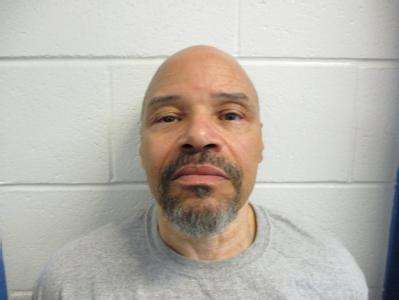
Anger was 26, and he said initially he felt sorry for Carter, who'd spent most of his adult life locked up for 23 hours a day at the Utah State Prison. They began to correspond.
"He sent me some stuff," Anger said. "We talked on the phone. I'm like 'Can't you just call my cell phone? He didn't even know what a cell phone was at the time."
At the time, inmates could only call collect on a landline, so Anger's parents agreed to let him call their house.
"We just talked," he said. "It was kind of weird…It would be like you're talking to yourself, looking in the mirror — like that's kind of what it sounded like."
The way they talked, even the phrases they used, were so similar it felt familiar yet painful.
"It kind of sent me down a spiral," he said. "I just kind of went crazy."
He turned to alcohol so he could numb or forget feelings he couldn't express.
"I didn't know how to cope with it," he said. "That happened in December, and by March I said, 'I have to get out of here.' So I enrolled at Utah State and moved (to Logan)...I kind of had to find myself, get some time to process everything."
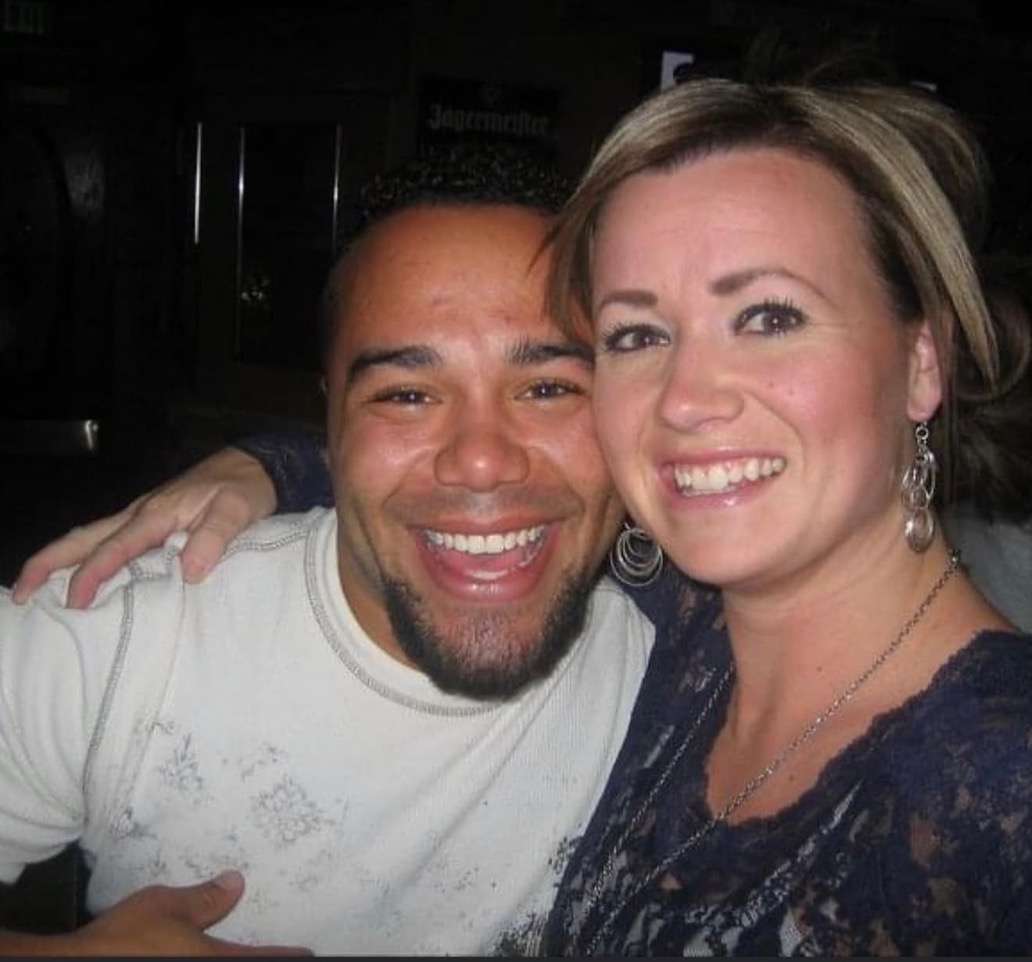
This happened at the same time he met the woman who'd become his wife, Melissa. They met through mutual friends and began dating in October 2010. She said her husband told her what he was struggling with from the start.
"It's a lot to go over," she said. "It's a lot to process."
A false conviction?
It would only get more complicated for the couple. As they got to know each other, the son of the two key witnesses in the case went to police, telling them his parents said they'd lied about what Carter did and what he said because police threatened and bribed them.
Melissa remembers reading a newspaper article in 2011 detailing what the Utah Supreme Court called "damning revelations" from Epifanio and Lucia Tovar.
"We were in the kitchen at his parents' house," she said. "(The article detailed) what exactly (police) paid for, (and) how long — their rent, utilities; they bought them Christmas presents. They sang Christmas carols at their home, and that was my first moment of, 'Oh my gosh! What if he didn't do this? What if he was wrongfully convicted? I mean, what if this man has been telling the truth?'"
She said she wanted to go visit Carter at the prison, but she felt like it was her husband's decision to make. Anger maintained no contact with Carter until the summer of 2025.
A few months after the Supreme Court vacated his conviction and ordered a new trial, Carter was moved to the Utah County Jail. Anger said he reached out to one of his attorneys first.
"I was at lunch one day, and I called," Anger said. "I'm like, 'Are you Doug Carter's attorney? ... Well, I'm Doug's kid."
Anger laughed, remembering how skeptical Carter's attorney was.
"They had no idea I existed," he said.
In July of 2025, Utah County Attorney Jeff Gray filed a motion: not only would he seek to retry Carter for the murder, but he planned to seek the death penalty. The move was made, despite the fact that Carter turns 71 in September and the fact that the state admitted some of the evidence was lost or destroyed.
KSL has reached out to the prosecutors handling the case and Jeff Gray, but calls and emails have gone unanswered.
'Let's go to trial'
Carter's case was overturned because the Supreme Court found misconduct on the part of police and prosecutors.
On Wednesday, the judge who first ruled to vacate Carter's conviction in 2023 will hear arguments on three other critical issues:
- Should Carter be eligible for bail?
- Should Carter's confession be suppressed?
- Both sides want the judge to weigh in on how DNA evidence was stored for four decades to determine what can be shared with defense attorneys, and whether new testing can and should take place.
Pullan will reconsider bail for Carter, who does enjoy the presumption of innocence since the conviction was overturned. Hamilton asked the judge to reconsider a decision to hold Carter in the Utah County Jail until a new trial can be held.
Carter has been behind bars for 41 years. In a phone call with KSL, he said he is tired of the back-and-forth between attorneys and just wants a jury to hear the evidence against him.
"Let's go to trial," he said. "Let the jury decide. Any evidence (they) got, bring it on. It will make a jury say 'What is going on here with this case?"
He said he only signed the confession because they'd arrested the friend he'd been staying with in Tennessee, and she was a single mom with small children. Carter said he only signed so police wouldn't charge her with harboring a fugitive.
The police officer who said Carter confessed didn't record the interrogation, but testified that he dictated into a recording device what Carter told him and had a secretary type it up.
"That wasn't my confession," Carter told KSL. "I didn't say any of that. That's why there is no tape (recording)."
Finding answers
In June, the Utah State Crime Lab issued a report that assessed DNA evidence from 17 items from the crime scene. That report found only three items that had a DNA profile good enough to be submitted to the FBI's database, CODIS. The report found no matches in CODIS, and Hamilton said Carter's DNA was submitted to CODIS in 1995.
The judge will also have to sort out dueling motions from prosecutors, defense attorneys and the Utah attorney general arguing about whether Carter's attorneys can have access to DNA evidence at the crime lab, as well as have their own expert look at raw data and run her own tests. Defense attorneys also want answers as to why prosecutors told them and the court in other court documents that some of the evidence they requested was lost, destroyed or didn't exist, only to have those items show up in the Crime Lab's report in June.
Prosecutors asked the judge to compel Carter to give them a new DNA sample so they can compare it directly with eight items that the crime lab says have male DNA on them, but that are not high enough quality to be tested against the FBI's database.
Defense attorneys said they would cooperate with that request — they want those side-by-side comparisons.
"We want that testing," Hamilton said. "But we want the tests to be reliable."
The defense wants to know which items on the crime lab's list of 17 will be tested, after being stored there for 40 years. The defense wants its DNA expert to be part of the process.
Tyler and Melissa Anger will attend the hearing, just as they have every hearing since November 2025. They talk with Carter several times a week on video calls, but they've never met in person because the Utah County Jail doesn't allow in-person visits, so they've never even touched.
Anger said he had no idea how his inquiries about his biological parents would change his life.
"I've had a really good life because of my parents," he said. "All my siblings were adopted…and we're all doing really good. So I wasn't necessarily looking for anything. I just wanted to know…just kind of who I am, just figure things out, just answer some questions. I've learned a lot, but sometimes I feel like maybe I shouldn't have done this because it's been a lot from both sides."
He choked back emotion.
"It was very, very heavy," he said. "And it can continue to be heavy as of today. I'm 43 years old, and I have never been more confused about what's going on than I am right now. I don't have a lot of faith in the justice system at all. It is absolutely ridiculous how long it takes to do everything. You go to court and you're there for 20 minutes, and then you have to come back in 90 days. You've got to be kidding me. What are we doing here? I have legitimately lost faith in how this all works."
Anger believes the criminal justice system isn't just inefficient, but it makes already agonizing experiences even worse. He's stunned that no one in power seems to care that the system is detrimental to everyone involved — the accused, the victim and ultimately society as a whole.
"This isn't fair to anyone in this case, and that includes the Olesens," Anger said. "And I feel horrible for their family. I really do. We've been doing this for so long, and you've been told one thing forever and ever and ever, and now all of a sudden things are coming up to where maybe maybe it's not this way. People want answers. Why are we taking so long to get these answers?"

Photos
Related stories
Most recent Police & Courts stories
Related topics
 Amy Donaldson