'%3e%3cpath%20d='M34.1406%205.85938C30.3906%202.10547%2025.3047%200%2020%200C14.6953%200%209.60938%202.10547%205.85938%205.85938C2.10938%209.61328%200%2014.6953%200%2020C0%2025.3047%202.10547%2030.3906%205.85938%2034.1406C9.61328%2037.8906%2014.6953%2040%2020%2040C25.3047%2040%2030.3906%2037.8945%2034.1406%2034.1406C37.8906%2030.3906%2040%2025.3047%2040%2020C40%2014.6953%2037.8945%209.60938%2034.1406%205.85938ZM37.0117%2023.543H31.1602V13.5391H27.6328V19.9414C28.1211%2020.6914%2028.3711%2021.582%2028.3711%2022.5625V22.625C28.3711%2023.668%2028.1172%2024.6055%2027.6328%2025.4297V26.6094H36.082C33.4883%2032.9375%2027.2891%2037.3789%2020.0039%2037.3789C10.3711%2037.3789%202.62109%2029.6289%202.62109%2020C2.62109%2010.3711%2010.3711%202.62109%2020%202.62109C29.6289%202.62109%2037.3789%2010.3711%2037.3789%2020C37.3789%2021.1484%2037.2617%2022.2656%2037.0508%2023.3477C37.0391%2023.4141%2037.0234%2023.4766%2037.0117%2023.543Z'%20fill='white'/%3e%3cpath%20d='M22.3086%2018.5352C20.4336%2018.125%2019.9531%2017.8398%2019.9766%2017.1836V17.1406C19.9766%2016.6992%2020.3477%2016.2148%2021.4023%2016.2148C22.582%2016.2148%2023.8867%2016.6797%2025.0781%2017.4766L26.8516%2015.0195C25.4453%2013.8906%2023.707%2013.3398%2021.5547%2013.3398C18.5195%2013.3398%2016.4375%2015%2016.4063%2017.4766V17.5352C16.3633%2020.2617%2018.5859%2020.9805%2021.293%2021.6016C23.0391%2021.9766%2023.5703%2022.3164%2023.5703%2022.9609L23.5469%2022.9766C23.5469%2023.3906%2023.2578%2023.7031%2022.7852%2023.8359C22.5742%2023.9062%2022.1289%2023.9727%2021.5156%2023.9727C20.7617%2023.9727%2019.7539%2023.8633%2018.6328%2023.4844C18.0898%2023.2891%2017.4727%2023.0039%2016.8047%2022.6133L20.1406%2026.625C20.2813%2026.6602%2021.0977%2026.8516%2021.7734%2026.8516C25.0039%2026.8516%2027.0859%2025.2461%2027.1094%2022.6328V22.5703C27.1602%2020.1133%2025.2148%2019.1719%2022.3086%2018.5352Z'%20fill='white'/%3e%3cpath%20d='M5.24219%2013.5664V26.6133H8.75391V23.7578L10.2969%2021.9531L14.2031%2026.6133H18.3867L12.3555%2019.5195L17.4023%2013.5664H13.4531L8.75391%2019.0586V13.5664H5.24219Z'%20fill='white'/%3e%3c/g%3e%3cdefs%3e%3cclipPath%20id='clip0_97_2430'%3e%3crect%20width='40'%20height='40'%20fill='white'/%3e%3c/clipPath%3e%3c/defs%3e%3c/svg%3e)


- Utah's firefighting costs may reach $300 million, surpassing last year's $240 million.
- Dry conditions and early timber fires contribute to the increased expenses this year.
- The state wildfire fund covers suppression but may need more legislative support soon.
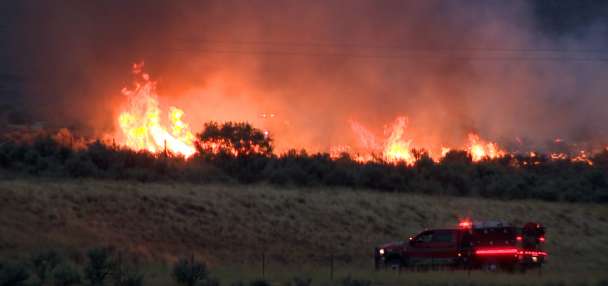
SOUTH SALT LAKE – The cost of fighting wildfires in Utah is projected to hit a record-setting $300 million.
"It's on pace to be our most expensive fire season that I have records for," said Wade Snyder, deputy fire manager with the Utah Division of Forestry, Fire and State Lands.
The receipts are still rolling in from fire agencies around the state, but Snyder said the $300 million estimate includes all fires and all agencies. That would be significantly higher than last year's costs and above what was reported Tuesday for the state's 10 largest fires.
"All agencies were at about $240 million last year," he said.
That tab would be split among the state, the U.S. Forest Service and the Bureau of Land Management, with the state expecting to pay about $45 million, although that's a "very fluid number."
This is all due to extremely dry conditions in Utah following a winter with very little snow.
"We were seeing timber fires a lot sooner," Snyder told KSL during an interview Friday at the Utah Wildland Fire Operations Center. "Timber fires are more expensive to fight and suppress, and unfortunately those were happening around communities as well, which also increases price."
Recovery costs still unknown
The $300 million price tag covers only the firefighting efforts. It does not include the cost of rebuilding communities or rehabilitating burned areas.
While the state's wildfire fund covers suppression and some post-suppression efforts, Snyder said those figures do not yet account for significant recovery costs. This is the first year the state has authorization to use the wildfire fund for post-suppression work.
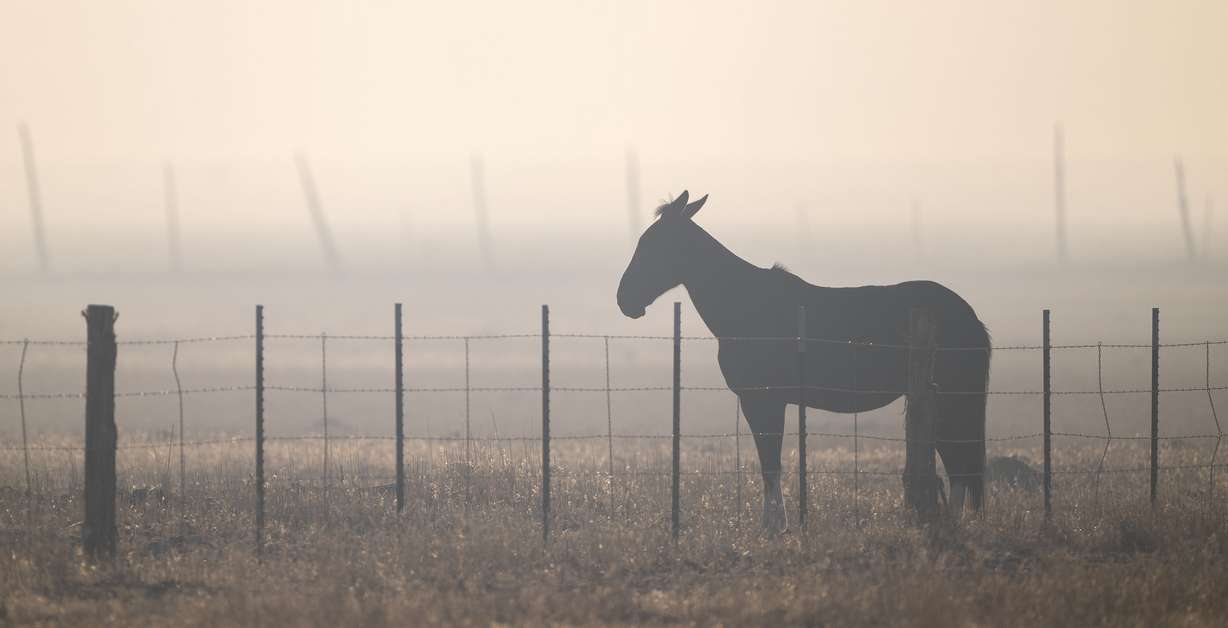
"Oftentimes that can be more expensive than the wildfire itself," Snyder said, "and so that'll be something that we'll learn over the next year – on how expensive that portion of the fire will be coming out of that same fund."
Wildfire fund faces uncertain future
Snyder said Utah has enough in its wildfire fund for this year for firefighting costs, but anything beyond that remains to be seen. He warned the current level of legislative funding would not hold up if similar fire seasons persist.
"The appropriation that we've received the last couple of years would not be enough to sustain us if we keep having fire seasons like this," Snyder said. "So we would have to ask for more eventually."
As of Friday, nearly 900 wildfires had consumed more than 527,000 acres in 2026, according to Utah Fire Info. This makes it the second-worst fire season on record by acreage. The record was around 629,000 acres in 2007.

Most recent Utah wildfires stories
Related topics

 Heather Peterson