'%3e%3cpath%20d='M34.1406%205.85938C30.3906%202.10547%2025.3047%200%2020%200C14.6953%200%209.60938%202.10547%205.85938%205.85938C2.10938%209.61328%200%2014.6953%200%2020C0%2025.3047%202.10547%2030.3906%205.85938%2034.1406C9.61328%2037.8906%2014.6953%2040%2020%2040C25.3047%2040%2030.3906%2037.8945%2034.1406%2034.1406C37.8906%2030.3906%2040%2025.3047%2040%2020C40%2014.6953%2037.8945%209.60938%2034.1406%205.85938ZM37.0117%2023.543H31.1602V13.5391H27.6328V19.9414C28.1211%2020.6914%2028.3711%2021.582%2028.3711%2022.5625V22.625C28.3711%2023.668%2028.1172%2024.6055%2027.6328%2025.4297V26.6094H36.082C33.4883%2032.9375%2027.2891%2037.3789%2020.0039%2037.3789C10.3711%2037.3789%202.62109%2029.6289%202.62109%2020C2.62109%2010.3711%2010.3711%202.62109%2020%202.62109C29.6289%202.62109%2037.3789%2010.3711%2037.3789%2020C37.3789%2021.1484%2037.2617%2022.2656%2037.0508%2023.3477C37.0391%2023.4141%2037.0234%2023.4766%2037.0117%2023.543Z'%20fill='white'/%3e%3cpath%20d='M22.3086%2018.5352C20.4336%2018.125%2019.9531%2017.8398%2019.9766%2017.1836V17.1406C19.9766%2016.6992%2020.3477%2016.2148%2021.4023%2016.2148C22.582%2016.2148%2023.8867%2016.6797%2025.0781%2017.4766L26.8516%2015.0195C25.4453%2013.8906%2023.707%2013.3398%2021.5547%2013.3398C18.5195%2013.3398%2016.4375%2015%2016.4063%2017.4766V17.5352C16.3633%2020.2617%2018.5859%2020.9805%2021.293%2021.6016C23.0391%2021.9766%2023.5703%2022.3164%2023.5703%2022.9609L23.5469%2022.9766C23.5469%2023.3906%2023.2578%2023.7031%2022.7852%2023.8359C22.5742%2023.9062%2022.1289%2023.9727%2021.5156%2023.9727C20.7617%2023.9727%2019.7539%2023.8633%2018.6328%2023.4844C18.0898%2023.2891%2017.4727%2023.0039%2016.8047%2022.6133L20.1406%2026.625C20.2813%2026.6602%2021.0977%2026.8516%2021.7734%2026.8516C25.0039%2026.8516%2027.0859%2025.2461%2027.1094%2022.6328V22.5703C27.1602%2020.1133%2025.2148%2019.1719%2022.3086%2018.5352Z'%20fill='white'/%3e%3cpath%20d='M5.24219%2013.5664V26.6133H8.75391V23.7578L10.2969%2021.9531L14.2031%2026.6133H18.3867L12.3555%2019.5195L17.4023%2013.5664H13.4531L8.75391%2019.0586V13.5664H5.24219Z'%20fill='white'/%3e%3c/g%3e%3cdefs%3e%3cclipPath%20id='clip0_97_2430'%3e%3crect%20width='40'%20height='40'%20fill='white'/%3e%3c/clipPath%3e%3c/defs%3e%3c/svg%3e)


- Just because the feds dropped a proposal for a Salt Lake City immigration detention center doesn't mean they've halted efforts to find space in the state.
- Gov. Spencer Cox said conversations continue but "they haven't gone very far."
- Likewise, an immigrant advocate doesn't foresee any let up by federal authorities in moves to pursue immigrants in the country illegally.
SALT LAKE CITY — Just because federal officials have dropped plans to build an immigrant detention center in Salt Lake City doesn't mean efforts to detain and deport those in the country illegally in Utah will fall by the wayside.
The decision to scrap the Salt Lake City proposal, outlined in a federal court filing on Wednesday, also doesn't mean immigration officials will halt efforts to find space in Utah to house immigrant detainees.
Gov. Spencer Cox broached the topic Thursday, saying conversations about siting a facility in the state continue, even if the 7,500- to 10,000-bed Salt Lake City proposal is now off the table.
Even officials from the administration of President Joe Biden, a Democrat, "knew we needed a facility here, but it needed to be the right sizing and the right place," Cox said at his regular monthly press conference with reporters. "So I know that those conversations are happening, but ... they haven't gone very far, so there's no location or place that we're aware of right now."
Likewise, Jim McConkie, a lawyer and immigrant rights advocate who has closely followed the debate over Department of Homeland Security plans to build a detention center here, doesn't think the debate's over. He and other attorneys working with a group called Uproar Utah had planned to file a federal lawsuit to stop the Immigration and Customs Enforcement and DHS proposal in Salt Lake City before Wednesday's news emerged.
He wonders if federal officials might be considering the idea of building smaller detention facilities elsewhere around the state, noting that "an unusual number of immigrants" have been picked up in southern Utah.
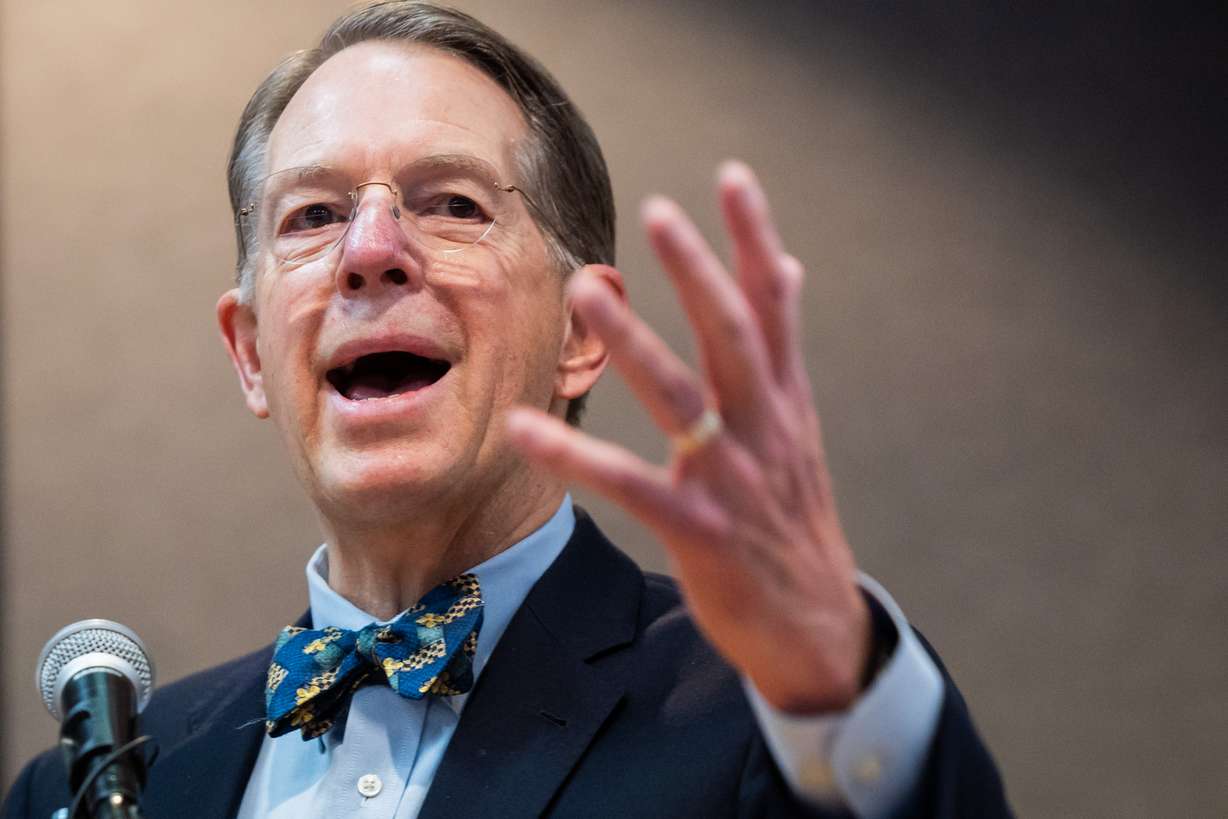
He didn't point to any specific information that suggests the search in Utah for a detention center site continues. But he could envision federal officials pursuing a proposal for a smaller facility in "an area in southern Utah where (President Donald) Trump's policies are popular," McConkie said. "Getting people down there to raise the roof, that's a different issue."
Moreover, if the Salt Lake City proposal is off the table, "the temptation to try and use local law enforcement and local jails to house immigrants will increase. There'll be greater pressure for that," McConkie said.
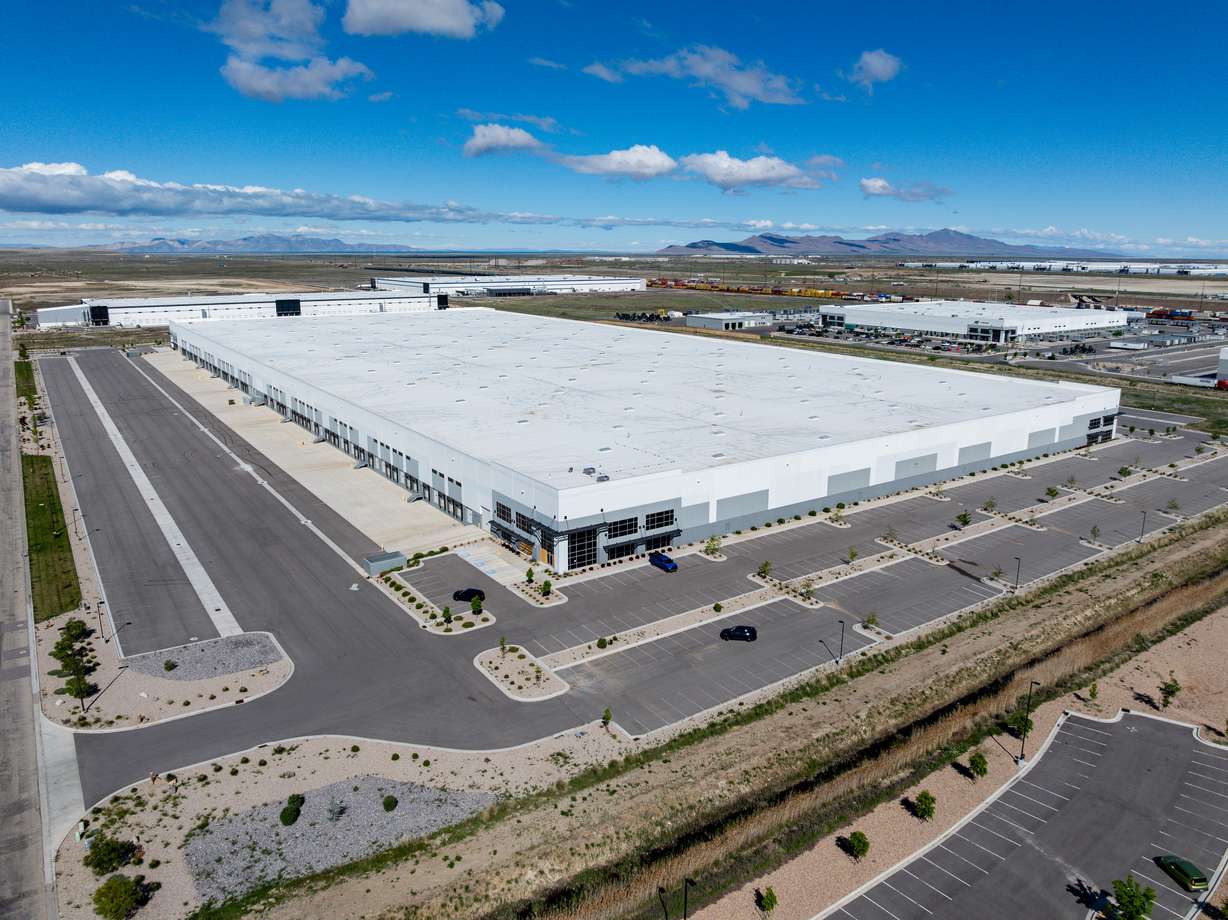
ICE purchased an empty warehouse at 6020 W. 300 South for $145.44 million last March for conversion into an immigrant detention center, part of Trump's immigration crackdown. In response, Salt Lake City and Salt Lake County, opposed to the plans, filed suit in U.S. District Court on June 8 against federal immigration officials to stop the plans. The New York Times reported later in June that the Salt Lake City plans and several other proposals had been scuttled, confirmed in a court filing on Wednesday in the federal case here in Utah.
"On July 17, 2026, defendants, through counsel, informed plaintiffs that they no longer intend to convert the Salt Lake warehouse into an immigration detention facility and instead intend to designate the Salt Lake facility as excess property for disposition by the General Services Administration ('GSA')," reads the filing. It doesn't provide additional details about the sale of the 300 South property.
Daniel Woodruff, KSLNo letup by federal officials
However, the issue evolves going forward; McConkie sees no letup in efforts by federal authorities to pursue immigrants in the country illegally. New DHS Secretary Markwayne Mullin may not be as publicly outspoken on the issue as his predecessor, Kristi Noem, but he's just as focused on immigration.
"ICE is not going to stop being aggressive. They're just doing it in different ways," McConkie said.
He also said local immigration attorneys have been discussing the possibility of pursuing legal action against Utah law enforcement agencies that have cooperative accords with federal immigration officials, known as 287(g) agreements. Such accords variously augment cooperative efforts between local correctional facilities and law enforcement officials with federal immigration authorities in processing and pursuing immigrants in the country illegally.
Read more:

Voces de Utah
Looking for more news from Utah's Latino community? Visit our Voces de Utah section for more stories, events and features."If ICE and a local actor like a local sheriff take someone into custody and violate their constitutional rights, we're looking at the possibility of suing the state actor as well as the federal actor," McConkie said. "This is an area of quicksand for lawyers, but that doesn't mean that we shouldn't try and use the law to bring about a just result."
Federal and local officials involved in crackdown efforts say they target immigrants who have committed serious crimes and pose a safety risk to the United States. McConkie has no issue with targeting immigrants who pose a threat, but maintains that others have gotten caught up in the efforts who aren't a danger to the country. Eleven Utah sheriff's offices, two police departments and the Utah Department of Corrections have cooperative agreements with ICE.

Related stories
Most recent Utah stories
Related topics
 Tim Vandenack