'%3e%3cpath%20d='M34.1406%205.85938C30.3906%202.10547%2025.3047%200%2020%200C14.6953%200%209.60938%202.10547%205.85938%205.85938C2.10938%209.61328%200%2014.6953%200%2020C0%2025.3047%202.10547%2030.3906%205.85938%2034.1406C9.61328%2037.8906%2014.6953%2040%2020%2040C25.3047%2040%2030.3906%2037.8945%2034.1406%2034.1406C37.8906%2030.3906%2040%2025.3047%2040%2020C40%2014.6953%2037.8945%209.60938%2034.1406%205.85938ZM37.0117%2023.543H31.1602V13.5391H27.6328V19.9414C28.1211%2020.6914%2028.3711%2021.582%2028.3711%2022.5625V22.625C28.3711%2023.668%2028.1172%2024.6055%2027.6328%2025.4297V26.6094H36.082C33.4883%2032.9375%2027.2891%2037.3789%2020.0039%2037.3789C10.3711%2037.3789%202.62109%2029.6289%202.62109%2020C2.62109%2010.3711%2010.3711%202.62109%2020%202.62109C29.6289%202.62109%2037.3789%2010.3711%2037.3789%2020C37.3789%2021.1484%2037.2617%2022.2656%2037.0508%2023.3477C37.0391%2023.4141%2037.0234%2023.4766%2037.0117%2023.543Z'%20fill='white'/%3e%3cpath%20d='M22.3086%2018.5352C20.4336%2018.125%2019.9531%2017.8398%2019.9766%2017.1836V17.1406C19.9766%2016.6992%2020.3477%2016.2148%2021.4023%2016.2148C22.582%2016.2148%2023.8867%2016.6797%2025.0781%2017.4766L26.8516%2015.0195C25.4453%2013.8906%2023.707%2013.3398%2021.5547%2013.3398C18.5195%2013.3398%2016.4375%2015%2016.4063%2017.4766V17.5352C16.3633%2020.2617%2018.5859%2020.9805%2021.293%2021.6016C23.0391%2021.9766%2023.5703%2022.3164%2023.5703%2022.9609L23.5469%2022.9766C23.5469%2023.3906%2023.2578%2023.7031%2022.7852%2023.8359C22.5742%2023.9062%2022.1289%2023.9727%2021.5156%2023.9727C20.7617%2023.9727%2019.7539%2023.8633%2018.6328%2023.4844C18.0898%2023.2891%2017.4727%2023.0039%2016.8047%2022.6133L20.1406%2026.625C20.2813%2026.6602%2021.0977%2026.8516%2021.7734%2026.8516C25.0039%2026.8516%2027.0859%2025.2461%2027.1094%2022.6328V22.5703C27.1602%2020.1133%2025.2148%2019.1719%2022.3086%2018.5352Z'%20fill='white'/%3e%3cpath%20d='M5.24219%2013.5664V26.6133H8.75391V23.7578L10.2969%2021.9531L14.2031%2026.6133H18.3867L12.3555%2019.5195L17.4023%2013.5664H13.4531L8.75391%2019.0586V13.5664H5.24219Z'%20fill='white'/%3e%3c/g%3e%3cdefs%3e%3cclipPath%20id='clip0_97_2430'%3e%3crect%20width='40'%20height='40'%20fill='white'/%3e%3c/clipPath%3e%3c/defs%3e%3c/svg%3e)


- Utah retailers face challenges as consumers seek discounts amid inflation pressures.
- B-Stock's Kylee Hall notes retailers struggle with excess inventory and reduced orders.
- Current spending trends may lead to future shortages in discretionary goods, Hall warns.
SALT LAKE CITY — The way shoppers spend money right now could affect what is on store shelves a year or two from now, and how much those items cost.
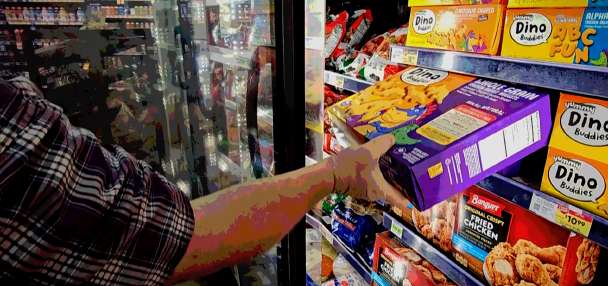
For Utah retailers, full-price is becoming a tougher sell. Many shoppers are spending less, hunting harder for deals and walking away from items that are not discounted.
Kylee Hall, vice president of marketing at B-Stock, said retailers are feeling that shift, too. B-Stock helps retailers move returned and overstocked goods into the resale market.
"Because consumers are feeling the pinch, retailers are feeling the pinch, and they're having a hard time moving these goods," Hall said. "They didn't plan for a prolonged inflation period where discretionary income is starting to shrink."
That creates a pile-up. When shoppers slow down, retailers can be left with too much stuff: returns, overstock and last season's inventory. To clear it out, stores may cut prices, move products into resale or discount channels, and then order less for the next cycle.
Hall said that it is already happening.
"We already see this in the conversations we are having with retailers and manufacturers, and you're seeing it in their public statements and filings," she said. "We're tightening belts. We're not going to produce as much inventory."
That can mean deals for shoppers now; however, Hall warns the cycle can swing the other way. Today's slowdown can create surpluses. Tomorrow, it can lead to shortages.
"We're going to come out of inflation, and then there's going to be more consumer demand," she said. "And then it's not going to be met."
This mostly applies to discretionary items, things like clothes, electronics, furniture and seasonal goods, the kinds of purchases people can put off.
Retailers are already planning orders for next year. So, what shoppers do right now can affect what ends up on shelves months from now.