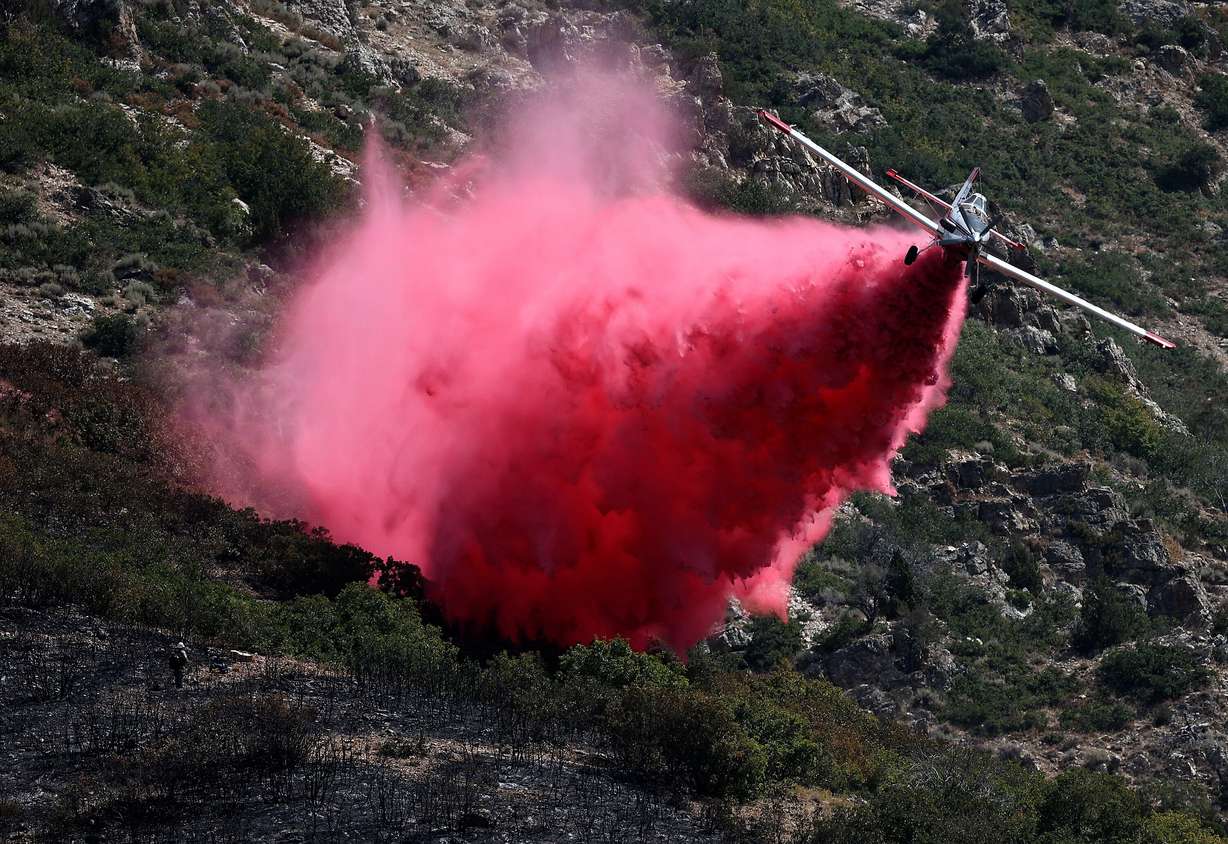
- Wildfires in the West are ahead of schedule, burning 1.6 million acres.
- The National Interagency Fire Center predicts a rough wildfire season due to below-average precipitation and early melts.
- Forest Service headquarters will move to Salt Lake City to improve management efficiency.
SALT LAKE CITY — It's April, and wildfires are ahead of schedule in the West.
As of Tuesday, 1.6 million acres of land have burned across the country, more than double (231%) the previous 10-year average. Wildfire activity in particular is 168% above average.
On Wednesday, the National Interagency Fire Center, or NIFC, released its fire predictions for April through July. Given that large areas in the West saw lower-than-average rain and snowfall during their winter months, the Boise-based service is predicting a rougher-than-usual wildfire season.
The prediction comes shortly after the Department of Agriculture's announcement that the U.S. Forest Service headquarters will be relocated from Washington, D.C., to Salt Lake City.
Since about 87% of Forest Service land is in the West, its managers should be there too, Forest Service chief Tom Schultz told the Deseret News.
While a date for the move has not been disclosed yet, Schultz said there will be no change to this summer's fire program.
In the future, Agriculture Secretary Brooke Rollins said the move will "streamlin(e) how the Forest Service is organized" and "will position the chief and operation leaders closer to the landscapes we manage and the people who depend on them."
An early melt is exposing fuel for wildfires
While fires are a natural part of most ecosystems across the West, the center expects wildfire season to be worse than usual this summer, due to below-average precipitation in the Great Basin, the Southwest, California and the southern High Plains.
An early heat wave across the West caused melt-off to begin four to six weeks earlier than the earliest recorded melt-off date in several basins.
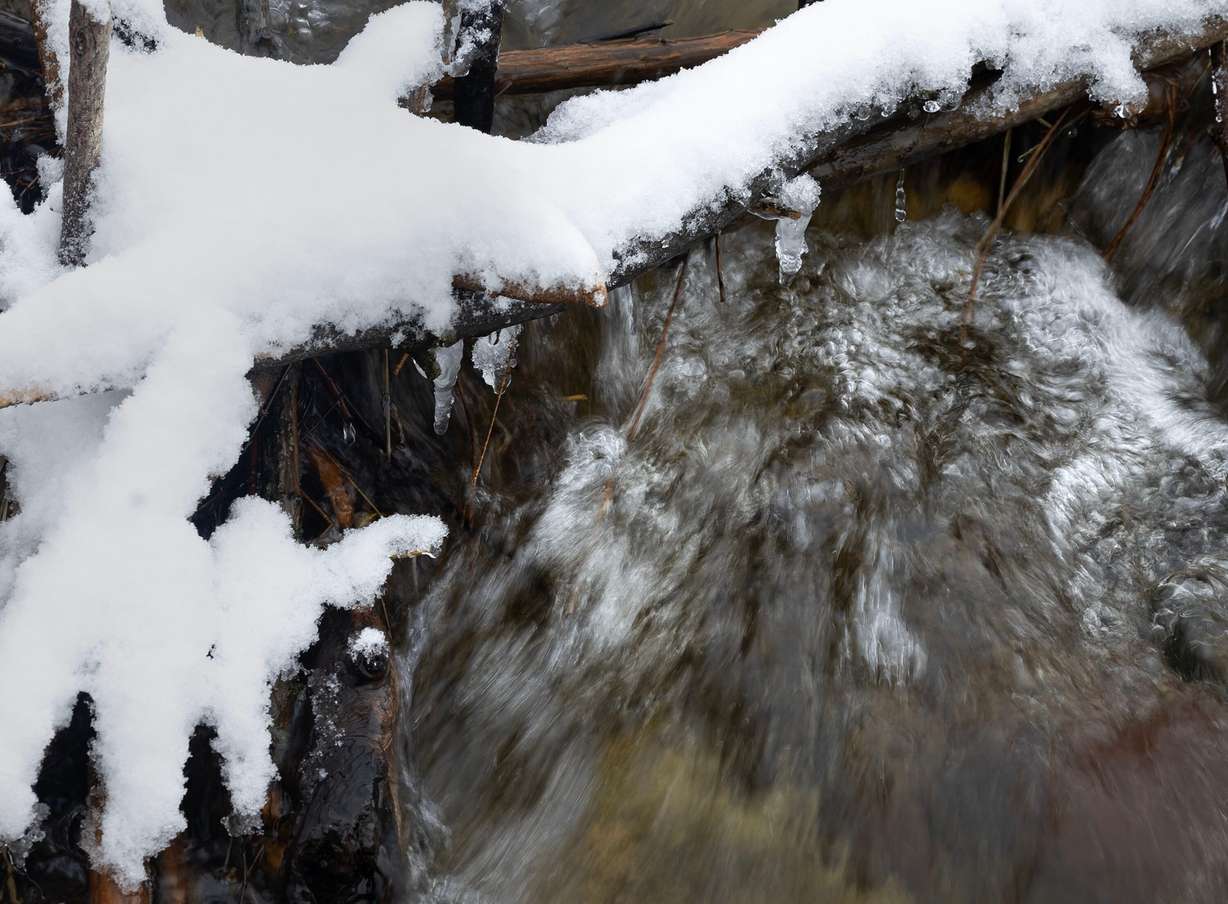
Drought is expected to persist through June, and it already penetrates the Rockies, the Northwest, the High Plains and Central Plains.
In the Rocky Mountain range, specifically, which runs through northeastern Utah, current warm and dry conditions are predicted to dry out the spring's green-up sooner than normal. Already, small fires (ranging from 1 to 10 acres) have begun picking up in the range. The center referenced a 20- to 100-acre timber fire in the Uinta Mountains that broke out recently.
"This is very unusual for late March and reflective of the record low snowpack, where many heavier fuels that would normally be under several feet of snow have been bare for many weeks," the National Interagency Fire Center wrote.
East of the Rockies in Nebraska, three recent wildfires have burned a combined 827,933 acres of land. The state's droughts and high winds made the fires expand rapidly and difficult to contain.
Researchers at the University of Nebraska-Lincoln wrote in late March, "The current wildfires are shattering state records."
Nebraska's fires may cause price hikes in agricultural products, having displaced 35,000-40,000 cattle.
And as dry as some areas of the West have been, other areas have been equally wet. Western Washington received more than 200% of its normal precipitation. Hawaii, the Great Lakes and the northern Rockies also received significantly more precipitation than usual.
What will fire season look like in Utah?
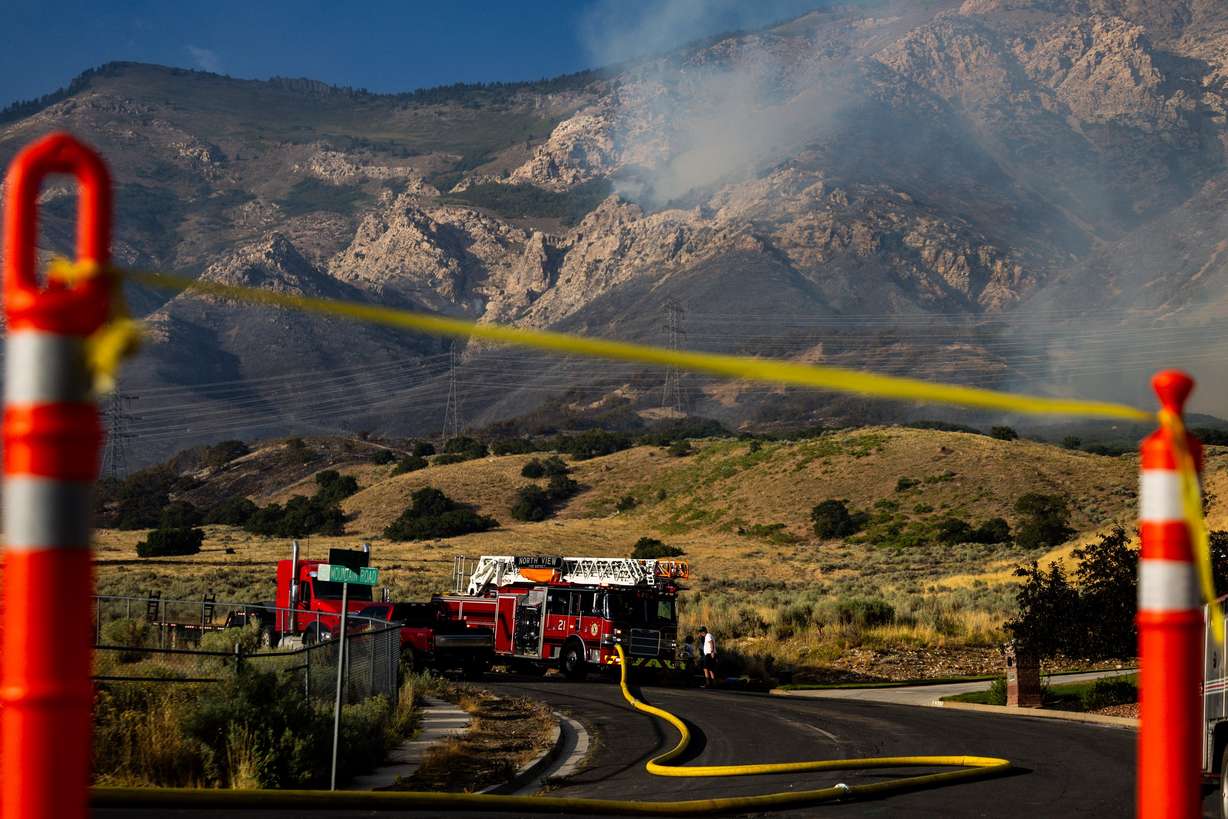
Southern Utah will face above-normal fire potential in June, the National Interagency Fire Center predicted. By July, it applied the same label to the rest of the state.
In 2026 so far, 88 wildfires have burned 485 acres of Utah land, and the majority have been caused by people, per Utah Fire Info.
To prepare, a public information officer with Unified Fire Authority, Benjamin Porter, said the state has begun placing brush trucks and wildland apparatus in the mountains, urban interface and river bottoms.
On Wednesday, they began deploying teams around the state.
Tyler Fonarow, Salt Lake City's Trails and Natural Lands Division director, previously told the Deseret News that the state's concerns about wildfires are "not a new worry — we're always worried."
"We expect wildfires, and that's why we have a plan," Fonarow said. "Sometimes we have to prepare for the worst and hope for the best. ... I think the community would be surprised to know how much planning and preparation goes into keeping the community as safe as possible from these potential disasters."