- A group urges Gov. Spencer Cox to veto the Rio Grande Depot transfer.
- HB2 transfers the state-owned building to the University of Utah.
- The group want a study on its economic potential and to have community input considered.
SALT LAKE CITY — A group seeking to revitalize the Rio Grande Depot and turn it back into a transit hub is calling on Gov. Spencer Cox to veto a bill that would transfer the historic train station to the University of Utah.
Via Rio Grande, also known as Friends of the Rio Grande Depot, posted an online letter on Saturday expressing concerns that the transfer of the building was approved without "thoughtful community input." It called on Cox to "pause" the transfer so a study could be done on its economic potential, and asked Salt Lake City to step in and take possession of the building.
"We're very disappointed that the state would relinquish a historic building like the Rio Grande Depot, and we're especially disappointed and shocked that they would do it without any kind of comment — and they'd do it in a way that seems to be trying to avoid public attention," said Christian Lenhart, board member of the group.
As reported by KSL last week, HB2 transfers the 116-year-old property over to the university along with operations and maintenance costs, which are over $600,000 annually. The details of the transfer are outlined in a legislative document associated with the bill, which covers all sorts of supplemental appropriations.
While it's unclear how the building will be utilized, state officials say it will be used for "educational purposes." The building is still being repaired and seismically retrofitted after it was damaged during the 2020 earthquake, which has kept it closed for six years. State historians said the earthquake may have saved the building by highlighting its structural flaws.
Utah acquired the building for $1 in 1977, and it had primarily been used as the Utah State Historical Society's headquarters before the earthquake. However, it's been used as a community center for residents of Salt Lake City's west side, including as a site for the popular Downtown Farmers Market's winter market in the past, which underscores its value to the community, Lenhart said.
That's why he believes it's a place that deserves community feedback on any ownership or use changes. While he said he has no animosity toward the University of Utah, he and others wrote over the weekend that they're concerned about what might happen to the building.
They also wonder if it was an attempt to thwart the Rio Grande Plan, which seeks to bury railroad lines west of the depot through a train box to help ease the transportation divide between the east and west sides of the city. The multibillion-dollar proposal would also restore the depot as a train station, replacing the Utah Transit Authority's existing Salt Lake Central Station.
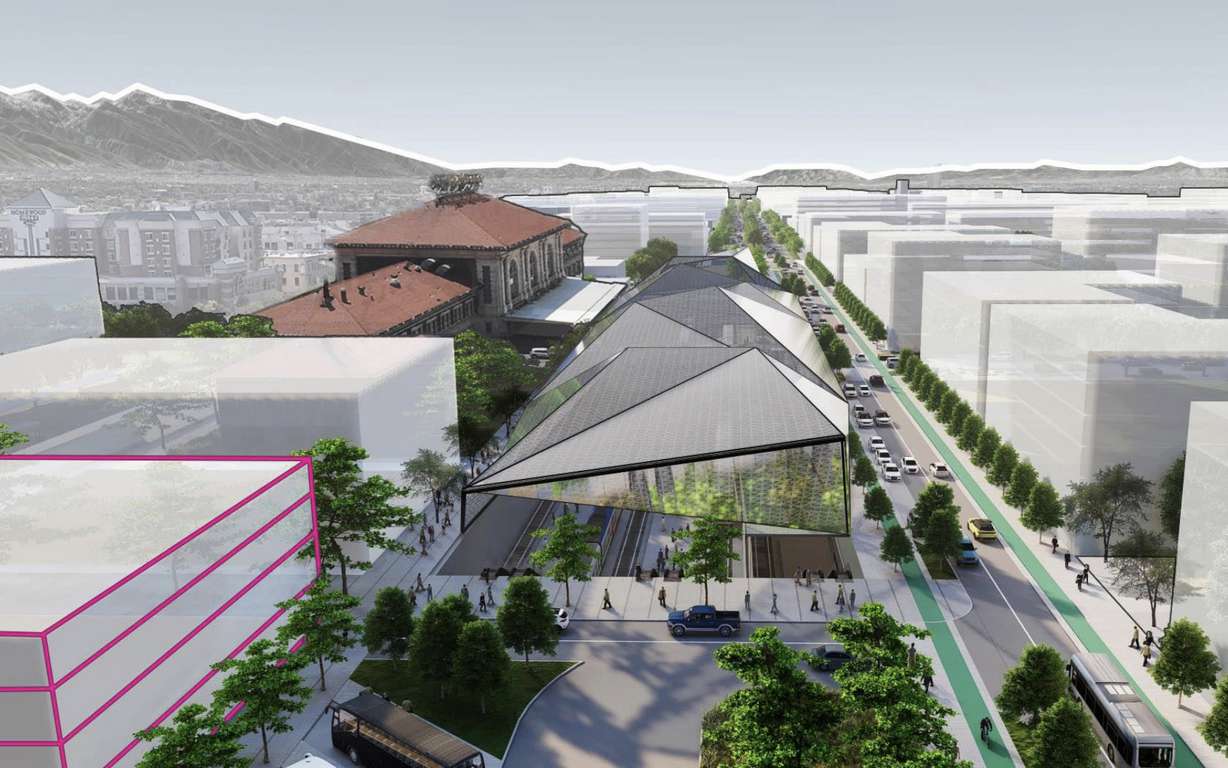
The organization has presented the concept to state leaders but has yet to receive the same type of support it has garnered from city and county leaders.
"Transferring ownership of the depot and doing it in such an underhanded way — it sounds to us (like) they are not just ignoring, but trying to prevent this type of improvement from taking place in the city," Lenhart said, adding that the building was designed to be a train station and could be a train station again.
He also said the process of how the building was transferred should be "alarming" to more than just supporters of the plan.
Cox has not indicated that he would veto the bill, which passed each chamber with overwhelming support during the session. The bill is slated to take effect at the beginning of the 2027 fiscal year in July.
Salt Lake City officials told KSL last week that the city wasn't aware that the building was to be transferred, and was never offered it.
Contributing: Britt Johnson