- Utah Gov. Spencer Cox, joined by political and educational leaders, signed a resolution to make higher education affordable, accessible and attainable.
- House Speaker Mike Schultz lauded the reallocation of funds through HB265 to keep tuition costs low and expand high-priority areas.
- Officials aim to strengthen higher education, focusing on accessibility and economic value.
SALT LAKE CITY — Utah Gov. Spencer Cox was joined by legislative and higher education leaders Friday to sign a resolution emphasizing their shared goal of making higher education more affordable, accessible and attainable for Utah students.
Cox reflected on how pioneer settlers — upon reaching the Salt Lake Valley in 1847 — prioritized establishing higher education institutions across the state.
"It's been a priority for over 176 years in this place, and I'm grateful to the leaders who continue to strengthen those institutions," Cox said. "I feel so lucky for our system of higher learning in this state, for the changes that have been made (and) for the way that people are coming together."
Cox was joined by Utah Senate President Stuart Adams, House Speaker Mike Schultz, and a handful of university presidents from Logan to St. George.
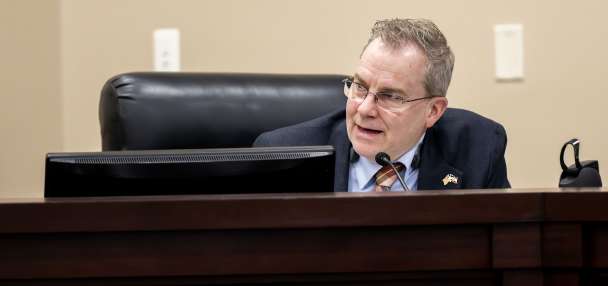
While Schultz acknowledged the ceremonial nature of Friday's resolution signing, he also described it as a commitment to strengthen Utah's higher education system.
"It's a commitment into the future to keep doing these types of things. Let's reevaluate these programs that don't work. Let's take that money, reallocate it to keep tuition costs down. One of the No. 1 concerns moving into the future is the increasing cost of higher education. We don't want that to happen in Utah. We want to keep prices low," Schultz said.
Daniel Woodruff, KSLAs far as reevaluating "programs that don't work," Schultz was referring to the Legislature last year passing HB265 — the so-called "strategic reinvestment" initiative requiring Utah's eight public colleges and universities to reallocate millions of dollars to programs determined to be of the highest value to both students and Utah's economy.
Acknowledging that "things got a little tense for a minute" between the Legislature and higher education leaders, Schultz said he "couldn't be more proud" of the way the two sides came together throughout the process.
Schultz added the cuts have been reallocated toward expanding high-priority areas like nursing, engineering, critical minerals development, research and more.
"Weber State University used it to bring their tuition down and their fees down on associate degrees. So there's been a lot of great benefits from that, and I think every area government ought to look to higher education, to what just happened, to cut their budgets, go through, find the things that aren't working, and then work within that money to reallocate that money into areas that are working," Schultz said.
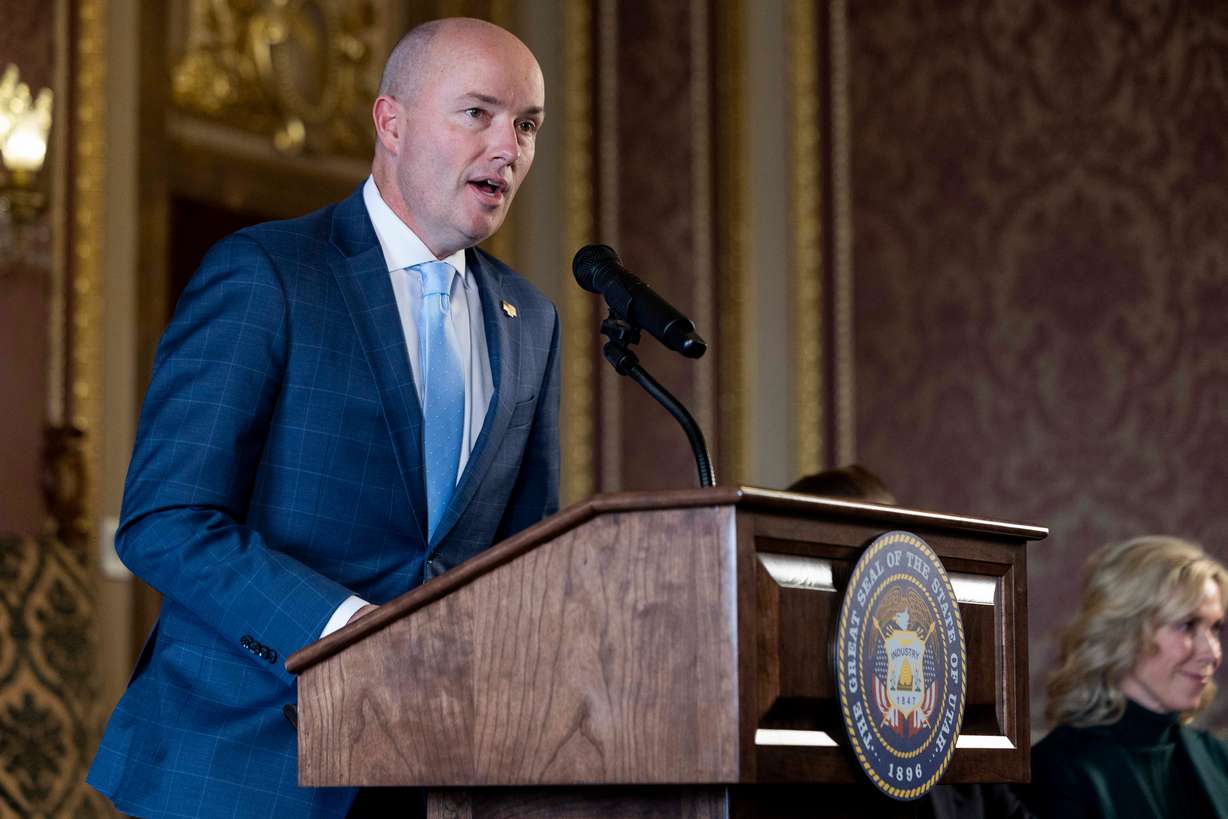
On the education side, Utah System of Higher Education Commissioner Geoffrey Landward didn't want to downplay the significance of the signing.
"Assembled here today are the elected leaders of our state and leaders of our system of higher education, gathered in unity, saying with one voice, 'Higher education will remain a pillar of our state and thrive in uncertain times because we refuse to let it flounder,'" Landward said.
Landward was joined in his optimism by Southern Utah University President Mindy Benson, who said the resolution reflects Utah's leaders' commitment to keeping college affordable and accessible, among other things.
"We are preparing Utah for its next chapter. That is a responsibility that we in this room proudly share," Benson said. "Together, we are committed to ensuring that Utah's system of higher education remains student-centric, outcome-focused, and worthy of the trust placed in us today and for many generations."