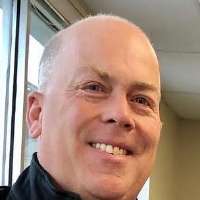
- Caleb David Richardson, 27, is charged with Medicaid fraud in Utah.
- Richardson allegedly overbilled Medicaid by $350,000 to cover payroll deficits.
- He bought a home and cars while trying to make up for payroll deficits.
SANDY — The manager of a Sandy home care provider for medical and personal assistance care to seniors has been charged with overbilling Medicaid to make up for a payroll deficit while at the same time purchasing a home and two cars.
Caleb David Richardson, 27, of Herriman, was charged on Wednesday in 3rd District Court with three counts of violating the Utah False Claims Act, a second-degree felony.
Grandkids LLC was registered with the Utah Department of Commerce in 2020, with Richardson being listed as manager. In 2023, he "rebranded and registered Helperly Corp. Helperly is an in-home health provider," according to charging documents.
In August 2024, the Utah Office of the Inspector General received a tip from Utah Medicaid that both Grandkids and Helperly were duplicating billing, and in February 2025, the office was "informed of possible Medicaid fraud."
"A current employee of Helperly reported that Helperly caregivers were advised to sit in their cars after an in-home health visit and wait out their time, even if their client no longer needed assistance, allowing them to bill for the full approved time for care," according to the charges.
Last March, the Utah Office of the Inspector General questioned Richardson, who told them that "he was unable to meet Helperly's financial needs, and the only way to stay afloat was by over-billing Medicaid for services not rendered, which over the last five months totaled in the neighborhood of $350,000. Caleb stated he has been working on investing in venture capital to build an app for Helperly and has invested approximately $750,000 to this end. He stated he overbilled to keep his staff paid and to ensure he could continue investing," the charges allege.
State investigators later learned that the day before Richardson was questioned, he held a meeting with Helperly's leadership group and told them that he had been "up billing units on Medicaid claims" to "help stay afloat on payroll," the charges state. "(Richardson) stated he was not worried about it and was under the belief he would be fined and all he would need to do was pay the money back, along with the fine."
The charges note that during the same time Richardson overfilled Medicaid, he also "purchased two new vehicles and a home." He also allegedly asked his leadership team to "take a temporary pay cut so that he could rebudget and pay back Medicaid but that his wife, Emily Richardson, who is Helperly's highest paid employee, continued to receive full pay, at $120,000 per year. (Helperly's former COO) stated Emily is on the payroll as the executive assistant but never comes into the office to work," according to charging documents.
When questioned by the Utah Attorney General's Office, Richardson claimed he conducted a self-audit and that "he had received $257,099 from Utah Medicaid for services that were not rendered," the charges say. But the state's auditor conducted its own audit of the "self-audit" and determined it "was not accurate," according to investigators. The state's audit accused Richardson of submitting "multiple duplicate claims and several incorrect units billed and paid amounts," and that for approximately a year between 2024 and 2025, he "submitted 880 fraudulent claims with a loss amount of $253,962."
As for the purchase of his Herriman home, Richardson said "it was difficult to obtain financing for a home being a business owner," and that he "increased his yearly pay by $85,000 to qualify for the purchase of the new home" while his wife "was paid $120,000 per year to work for Helperly from home, but that she only spent approximately 20% of her time on Helperly-related work," charging documents state. He also "gifted" his wife a total of $25,000 for the purchase of the home, according to the charges.