- Kyler Efinger's parents have filed a lawsuit against Salt Lake City, claiming its negligence led to his death.
- Efinger, 30, died two years ago after leaving the airport through emergency exits and climbing into a plane engine.
- The lawsuit seeks damages over $300,000 and says the parents hope to prevent future tragedies through the lawsuit
SALT LAKE CITY — The parents of a man who died after climbing inside the engine of a jet airplane have filed a lawsuit claiming Salt Lake police and airport staff could have prevented his death.
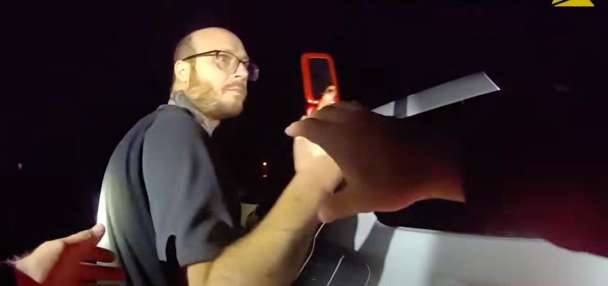
Kyler Efinger, 30, was found unconscious inside the engine of a Delta plane at the Salt Lake City International Airport on Jan. 1, 2024, after acting unusually while waiting for a flight. He died from injuries sustained after climbing into the engine.
The lawsuit filed Tuesday said he was experiencing "an obvious mental health episode," but was able to go through two emergency exit doors onto the tarmac and walk nearly a mile to the area where airplanes were being deiced before he was located.
The lawsuit claims "city personnel could not timely locate a ticketed passenger known to be in distress and seen walking outside onto the tarmac on a freezing night." It said one officer described the situation as a "wild goose chase."
Salt Lake police officers were directed to the wrong locations multiple times, and valuable time was wasted because of poor communication, the suit says. It also said pilots were not notified in a timely manner that a man was walking in the area.
"In a situation where Kyler would still be alive if officers had located him 30 seconds sooner, about the first seven minutes of the city's search for him were wholly ineffective," according to the lawsuit.
Efinger's parents claim that instead of instructing the Airbus A220-100 that had finished being deiced to hold in place, the pilot was cleared to go to the runway. The lawsuit says the pilot later told officers he stopped the plane's engines after seeing Efinger, before he had been told about the man.
The man climbed into the plane's engine cowling and his dreadlocked hair was pulled into the moving engine blades, causing death from blunt head trauma, according to the lawsuit.
"The notion that an airport was so dangerously designed and operated as to allow this sequence of events generated international attention and shock," the suit says.
Judd and Lisa Efinger say they filed the lawsuit both to remedy their own loss and to prevent similar tragedies in the future. The suit claims the damages involved are higher than $300,000, but does not yet ask for a specific amount. The suit is filed against Salt Lake City, which operates the airport.
The parents say their son — who was diagnosed 10 years earlier with bipolar disorder and at times became visibly disoriented — was scheduled to fly from Salt Lake City to Denver to visit his grandfather who was seriously ill. They said he suffered a manic episode, causing him to leave his gate at 9:03 p.m., and he "walked and ran down the moving walkways several times, including against the flow" with behavior "objectively unusual for an adult."
The manager of an airport store reported that Kyler Efinger acted unusual after purchasing a jersey and leaving his suitcase at the store, then returning to pick it up and demanding his money back. The lawsuit says even though airport security was notified, security left rather than continuing to help Efinger.
His parents say if the airport's camera system was being monitored, he would have been seen lying on the handrail of a moving walkway, trying multiple locked doors and pounding his shoe against a window shortly before he found a door that did allow him to leave.
That door brought him into an area that required identification and should have required a wait for the lock to deactivate but did not, the lawsuit claims. After that, Efinger went downstairs and outside through another door that did not have the proper safety system, the family alleges.
According to the lawsuit, city dispatchers and officers knew there was a man outside who was not wearing shoes, and while there should have been a notification of him leaving through an emergency exit, dispatchers either did not know where and when he exited or did not communicate it clearly. It claims about eight minutes passed between the time Efinger left the door and when dispatchers gave officers the correct information on where he had exited.
After an officer pulled Efinger from the engine, he was handcuffed before police and fire personnel tried to revive him, the suit says.
A representative from the Salt Lake City Mayor's Office declined to comment on the lawsuit.