Estimated read time: 5-6 minutes
Your health matters. How you access care and how much you pay for it matters too. You deserve solutions that work for your individual circumstance and now you've got more options.
Starting Jan. 1, new federal guidance and legislation will make it easier for people to choose direct health care options that focus on relationships, access and predictable costs. For patients and employers who have been curious about direct primary care, or DPC, these changes make it much easier to get the care you need.
Often referred to as the One Big Beautiful Bill, the legislation helps expand access to direct healthcare providers and clarifies how these services can work alongside traditional insurance. The goal is simple: give people more flexible, affordable ways to get care.
Here's what that means and why it matters.
What is direct primary care?
As HealthInsurance.org explains, direct primary care, or DPC, is a health care model where patients pay a monthly membership fee for access to primary care services. Instead of being billed per visit, the fee covers care as you need it.
DPC benefits patients by providing substantial savings and a greater degree of access to, and time with, physicians.
–American Academy of Family Physicians
That monthly cost typically includes office visits, preventive care, chronic disease management and basic urgent care. There are no surprise bills after the fact.
But that's not the only benefit.
According to the American Academy of Family Physicians, "DPC benefits patients by providing substantial savings and a greater degree of access to, and time with, physicians."
The Internal Revenue Service has emphasized that DPC is not a health insurance plan. Instead, it's meant to work alongside insurance, especially high-deductible health plans. Put simply, DPC covers most routine care, while insurance helps pay for major medical costs like hospital stays or emergencies.
What's changing in 2026?
For years, one of the biggest questions around DPC involved Health Savings Accounts, or HSAs. Many people with high-deductible plans worried that joining a DPC practice would make them ineligible to contribute to an HSA.
New federal guidance is clearing that up.
Starting Jan. 1, people will be allowed to use HSA funds to pay for direct primary care memberships. Those payments will also count toward deductibles and out-of-pocket maximums.
For patients, this change means DPC is no longer an either-or choice. It can now work alongside the coverage you already have.

Healing the gap: An innovative approach to affordable primary care
Vamos Health launched in 2024 with a simple mission: to make primary care accessible, affordable and bilingual for all Utahns. Through a membership-based model, the clinic offers high-quality care without the high costs. All Vamos Health medical staff are bilingual in English and Spanish, ensuring patients can explain concerns and understand instructions. That linguistic bridge matters to many community members.Why this matters for access and affordability
Health care costs continue to rise, especially for families with high deductibles. According to the Kaiser Family Foundation, the average deductible for employer-sponsored plans has more than doubled over the past decade.
DPC offers a different approach. Predictable monthly pricing helps families budget. Same-day or next-day appointments reduce the need for urgent care or emergency room visits. Direct access to a provider by phone or message can prevent small issues from becoming big ones.
By allowing HSA dollars to cover DPC memberships, the new rules make this model more financially realistic for more people.
What employers need to know
The updated guidance also affects employers.
With clearer rules in place, employers can now offer direct primary care as a benefit alongside a high-deductible health plan and an HSA without compliance concerns. This gives businesses a new way to improve access to care while keeping costs more predictable.
Still, there are some limits. The law sets monthly price caps at $150 for individuals and $300 for families. Plus, other services provided by a DPC clinic, such as lab tests or medications, must still follow standard coverage rules. Employers can't cover those costs for free unless the health plan allows it.
But even with these limits, many benefits experts see this change as a turning point. Employers who care about preventive care and employee satisfaction now have more ways to support both.
Is direct primary care right for you?
Direct primary care is not the right fit for everyone. But for many patients and employers, the new rules make it a viable option for the first time.
As healthcare continues to evolve, having more choices means people can build coverage that works for their lives, not the other way around.
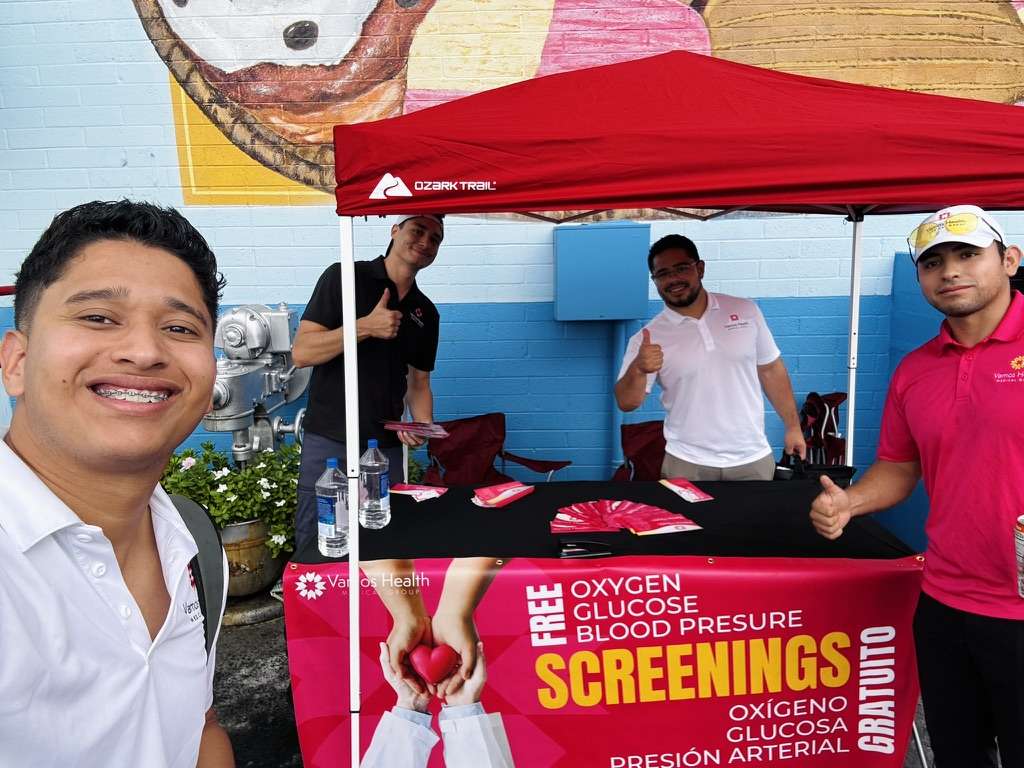
How Vamos Health fits into the picture
Vamos Health Medical Group uses a direct care model to make health care simpler.
With bilingual providers, flexible membership options and extended hours, Vamos Health focuses on access for individuals and families, whether they have insurance or not.
Members receive primary care, help managing chronic conditions, urgent care services and telemedicine support through one predictable membership. With membership costs well below the HSA maximum for both individuals and families,
Vamos is an affordable option for everyone in Ogden, West Valley City or Orem. Because quality health care should be accessible to everyone.
To learn more or to make an appointment, visit vamoshealth.com or call 385-402-7500 today.
The opinions and conclusions expressed in this article are the sponsor's own and do not reflect the views or opinions of KSL.com. This Site Does Not Provide Medical Advice. Any content on this Site, such as text, graphics, images, information obtained from, or contained on this Site are for informational purposes only. The content is not intended to be a substitute for professional medical advice, diagnosis, or treatment. Always seek the advice of your physician or other qualified health provider with any questions you may have regarding a medical condition. Never disregard professional medical advice or delay in seeking it because of something you have read on this site! The owner and operator of this site do not recommend or endorse any specific tests, physicians, products, procedures, opinions, or other information that may be mentioned on the site. Reliance on any information provided by the Operator, including their employees, contractors or others appearing on the Site at the invitation of the Operator, or other visitors to the Site is solely at your own risk. If you think you may have a medical emergency, call your doctor or 911 immediately.