Estimated read time: 4-5 minutes
- Sen. John Curtis presided over the Senate for 32 seconds on Nov. 28.
- Curtis witnessed Sen. Cory Booker's record-breaking speech, highlighting its historical significance.
- He waived rules for a standing ovation, marking a memorable moment in history.
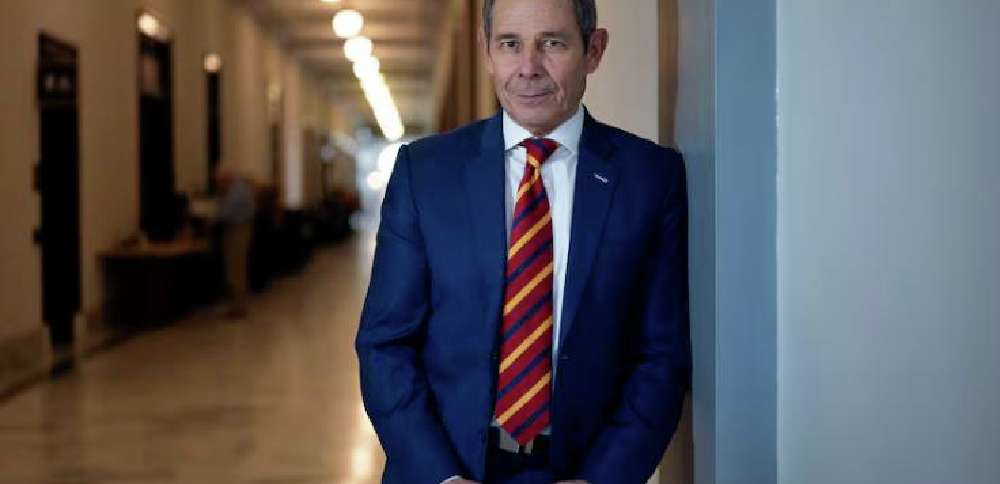
WASHINGTON — When Sen. John Curtis opened the Senate floor on Nov. 28, he knew it would be a short day. In fact, it was only 32 seconds before he banged the gavel down to close the chamber.
It was the day after Thanksgiving, and Curtis had just completed the 2,000-mile flight from Salt Lake City to Washington, D.C. He flew all that way to preside over the chamber for less than a minute before he flew back home — and in time for the BYU's final football game of the regular season that Saturday afternoon.
An eight-hour round trip for 30 seconds of work.
But that's part of Curtis' duties when he is tasked with presiding over the Senate, a position that is little-understood but holds significant authority.
"It's a very surreal experience," Curtis told the Deseret News in an interview. "I am the proxy for the leader. And as the proxy, you carry all the authority, all the responsibility that they have when they're there. They have lent that to you and trust you with that."
Under the Constitution, the vice president is tasked with presiding over the chamber, giving him control over its procedures and business. Those responsibilities are also delegated to the Senate president pro tempore, a position often given to the most senior member of the majority party.
But in practice, the duties of presiding are handed off to the rank and file — and freshman senators, such as Curtis, are the ones often expected to pick up the slack.
"It is a little ironic, because any member can do it, (but) most don't," Curtis said. "So it falls on the freshmen, and the freshmen get a disproportionate amount of time."
Unexpected sessions give Curtis front-row seat to history
Senators are scheduled to preside for about four hours per week, according to Curtis. But as scheduling conflicts arise, Curtis often finds himself filling in for other senators or picking up extra shifts if the Senate stays in session longer than originally scheduled.
That's how Curtis ended up presiding over Sen. Cory Booker's history-making speech earlier this year — and had the closest view when the New Jersey Democrat officially broke the record for the longest Senate speech.
"The Cory Booker moment was probably the most impactful at the moment, because I could see exactly what the moment was," Curtis said. "That was also one where I would say nobody quite had the perspective I had."
For Curtis, he viewed the moment differently than most others. While he heard the same words everyone else did, Curtis said he experienced something much different from those who watched from afar.
"I was watching the drama that a black man was beating the filibuster record of the man who filibustered against civil rights," Curtis said, referring to the previous speech record set by Strom Thurmond who was protesting the Civil Rights Act of 1957. "That, I thought, was a story that was under-told — and I got to live and watch. That was clearly my coolest moment of presiding, watching that record go down."
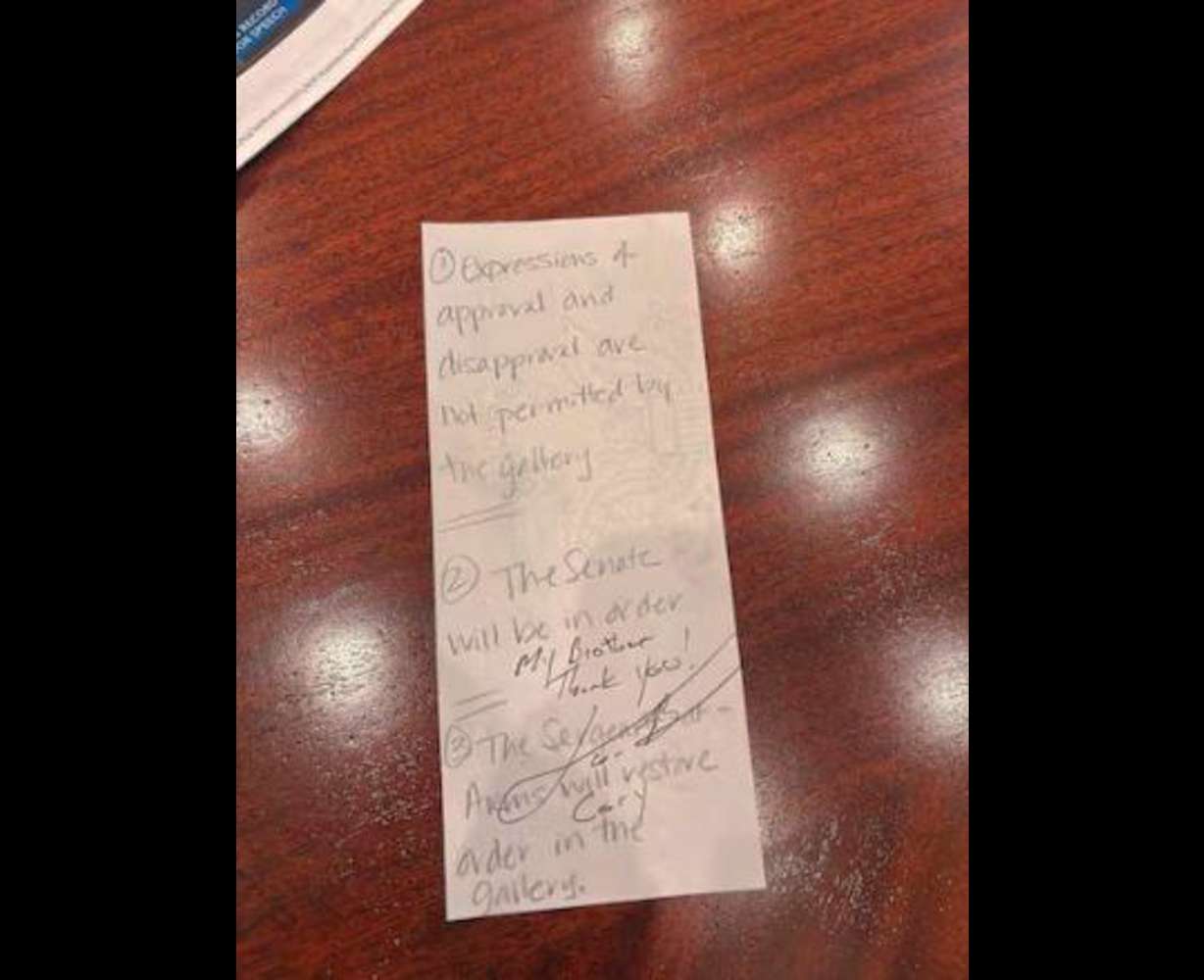
When Curtis watched Booker's speech tick over the record time, he knew he had the opportunity to make the moment special. As he presided over the filibuster speech, the parliamentarians — who serve as the official advisers to ensure senators adhere to the specific rules and procedures — wrote down the code of conduct for Curtis to uphold from the chair.
These include the prohibition of "expressions of approval and disapproval" such as smiles or applause. But with Curtis at the dais, he decided to waive the rules so senators and onlookers could give Booker a standing ovation in the chamber.
"The parliamentarian enforces the rule, but the end of the day, I'm presiding. And I just took a privilege and let what I thought was a reasonable degree of celebration to celebrate that moment," Curtis said. "Because it was, to me, a really significant moment, and he had a lot of friends and supporters there, and I was not going to rob them of that moment."
After the speech was over, Curtis had Booker sign the handwritten note from the parliamentarian. "My brother," Booker wrote, "Thank you!"
The unexpected long nights also put Curtis in the chair several times during the 26-hour voting session to pass President Donald Trump's massive tax package — the longest vote-a-rama in Senate history. That night also made history by recording the most consecutive votes in one Senate session at 45 votes.
In grueling sessions like that, Curtis said, he almost prefers to be at the dais.
"You have to be there anyway," he said, "so you might as well be up in the chair."

Most recent Utah congressional delegation stories
Related topics
 Cami Mondeaux