Estimated read time: 2-3 minutes
- Utah stocked 11.6 million fish in 2025, a 10% decrease from 2024.
- Reservoir levels peaked at 87% capacity, allowing for more fish than in 2023 or years before that.
- Drought may influence future fish stocking decisions.
SALT LAKE CITY — Millions of additional fish were released at bodies of water across Utah this year, as state wildlife officials continued to bank on generally higher reservoir levels.
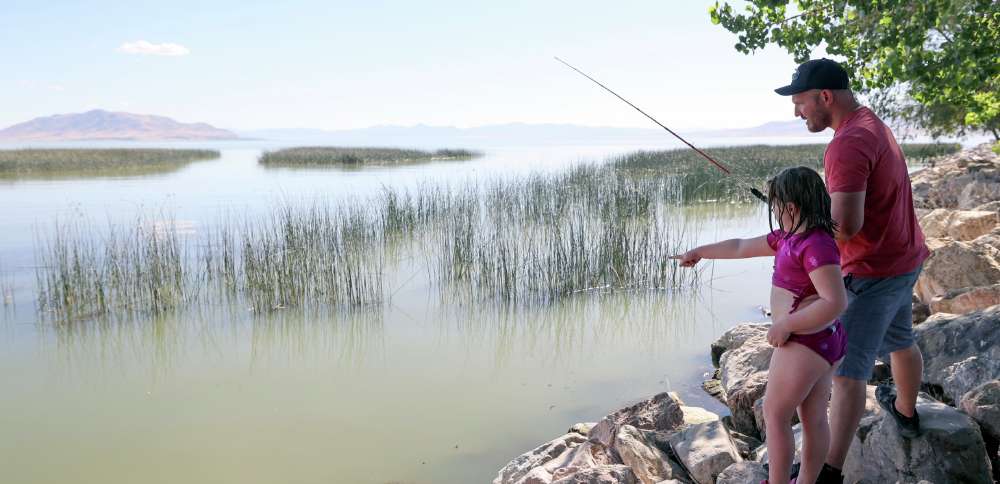
More than 11.6 million fish weighing a combined 1.1 million pounds were stocked at lakes, reservoirs, ponds and other bodies of water throughout the year, the Utah Division of Wildlife Resources reported on Tuesday. While it represents almost a 10% decrease in the number stocked in 2024, it's about 1 million more fish than in any other year since at least 2019.
Utah's higher reservoir levels over the first half of the year are a big reason why. The state's reservoir system peaked at 87% capacity, just higher than 2024's peak of over 90% — the highest the system had reached since 2011.
Water levels and drought are considered when the division release fish for ecosystems and anglers, and those elements came into play after the system peaked. State wildlife officials explain they stock fewer but larger fish during drought years, while the size or number of fish is also determined by water levels.
The goal is to figure out the best survival rate for fish in any given year, which is why the number of fish released was lower than in 2024 but higher than in 2023 or earlier.
"We are continually evaluating the processes of growing and stocking fish and continue to make proactive changes to address drought impacts, increasing water demand and to also meet the demands of a growing population in Utah," said Richard Hepworth, the fish culture coordinator for the Utah Division of Wildlife Resources, in a statement.
Over 90% of the fish released in Utah were raised at various hatcheries that the division owns, while the rest were brought in from hatcheries in outside states. It continued a Utah practice that dates back to the 1870s.
But drought conditions did complicate fishing in some areas this year. Utah's system dropped to 60% capacity by October, amid hotter and drier summer and early fall conditions. The system remains down 10 percentage points from this time last year, and eight of the state's larger reservoirs are listed at 20% capacity or less, according to the Utah Division of Water Resources.
State wildlife officials increased daily fishing limits at a handful of bodies of water throughout the year because of water, starting with a Uintah County reservoir in May.
Approximately 95% of the state's water supply is tied to its mountain snowpack collection and spring runoff process. This winter's snowpack, which is currently off to a "slow start," will likely dictate how many fish are stocked across Utah next year.