Estimated read time: 2-3 minutes
- Sen. Mike Lee advocates for reduced federal oversight on Utah's public lands.
- Lee argues federal inefficiency delays projects, impacting energy development, grazing and recreation.
- Lee seeks legislation prioritizing local interests in public land management and permitting processes.
WASHINGTON — States should have more oversight over public lands management, according to top lawmakers who say the federal government has become too inefficient and removed from local interests to do it alone.
The Senate Committee on Energy and Natural Resources, chaired by Utah Sen. Mike Lee, met with a number of state leaders and wildlife experts for a hearing on Wednesday to discuss the ways in which federal oversight over public lands has made the permitting process inefficient. As a result, it can take months, even years, for projects to be approved — often leading to outdated policies or regulations.
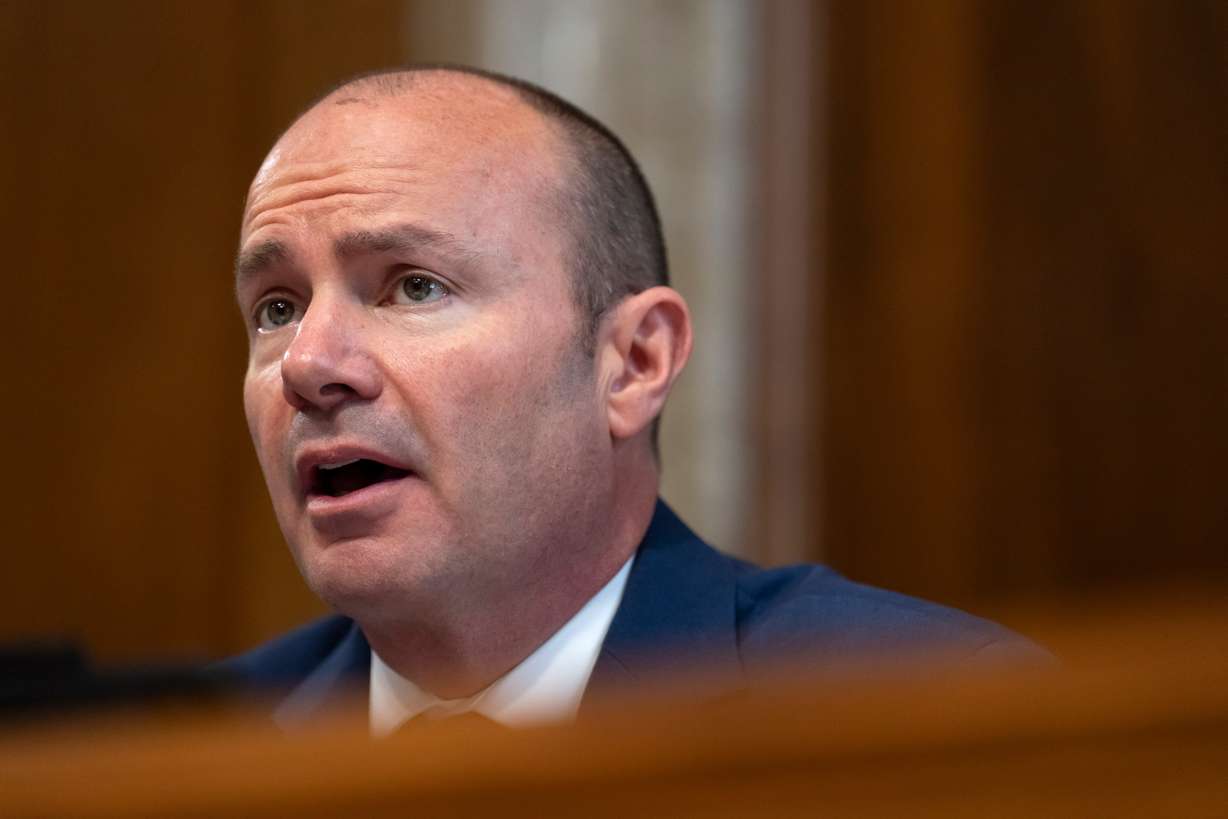
"By the time a (resource management plan) is finalized, local conditions have likely shifted, new technology has emerged, and project needs have changed," Lee said, referring to government plans that decide what can be done on certain lands.
"This rigidity affects everything from energy development to grazing renewals to recreational access. A project can satisfy federal law and environmental requirements, but if the plan that governs the landscape is outdated, the project stalls anyway."
Is permitting taking too long?
The committee specifically examined how the Federal Land Policy and Management Act slows down the permitting process for energy, mining, grazing, and infrastructure projects on public lands and how coordination with state and local governments could expedite those efforts.
The act was first passed in 1976 before many modern data collection tools and models were created, lawmakers argued — making it unrealistic to solely rely on the Bureau of Land Management to oversee such projects. However, current law often blocks state officials from taking full ownership on projects.
"You literally cannot take any action without implicating the federal government," Utah Attorney General Derek Brown, who testified before the committee, said on Wednesday. "(We need) meaningful involvement of the people who are local and most directly affected by these actions."
About 68% of Utah's land is owned by the federal government, the most of any state in the country, aside from Nevada. That leaves much of its public land under the jurisdiction of the Bureau of Land Management, which Lee has previously sought to undo.
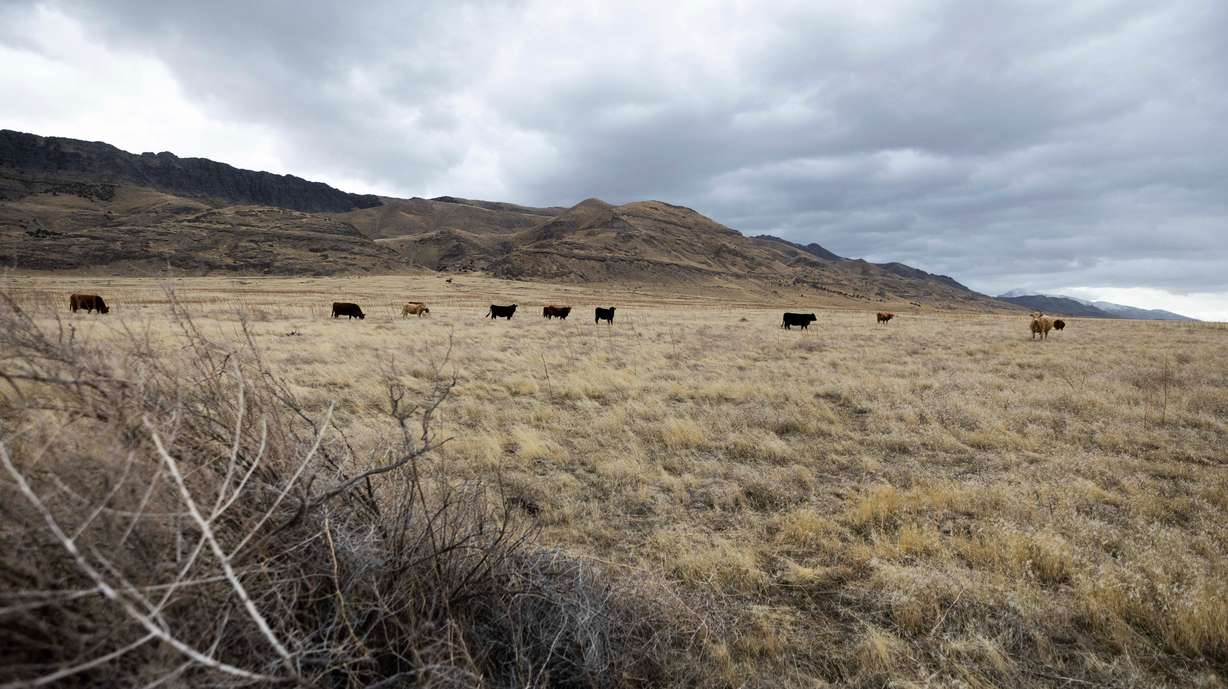
The Utah senator even proposed selling some of that public land under President Donald Trump's massive tax bill arguing it was crucial to ensure affordable housing projects in both Utah and a handful of other Western states. However, that provision was later dropped from the final package due to opposition.
Now, Lee says lawmakers should look for alternatives to make the permitting process more efficient and to ensure local interests are prioritized in those decisions. What that legislation will look like is not yet known, but Lee is pressing his colleagues to do something soon.
"If we want a planning process worthy of the land it governs, accountability cannot be symbolic," Lee said. "It must be real, it must be early, and it must include the states and counties that know these landscapes best."