'%3e%3cpath%20d='M34.1406%205.85938C30.3906%202.10547%2025.3047%200%2020%200C14.6953%200%209.60938%202.10547%205.85938%205.85938C2.10938%209.61328%200%2014.6953%200%2020C0%2025.3047%202.10547%2030.3906%205.85938%2034.1406C9.61328%2037.8906%2014.6953%2040%2020%2040C25.3047%2040%2030.3906%2037.8945%2034.1406%2034.1406C37.8906%2030.3906%2040%2025.3047%2040%2020C40%2014.6953%2037.8945%209.60938%2034.1406%205.85938ZM37.0117%2023.543H31.1602V13.5391H27.6328V19.9414C28.1211%2020.6914%2028.3711%2021.582%2028.3711%2022.5625V22.625C28.3711%2023.668%2028.1172%2024.6055%2027.6328%2025.4297V26.6094H36.082C33.4883%2032.9375%2027.2891%2037.3789%2020.0039%2037.3789C10.3711%2037.3789%202.62109%2029.6289%202.62109%2020C2.62109%2010.3711%2010.3711%202.62109%2020%202.62109C29.6289%202.62109%2037.3789%2010.3711%2037.3789%2020C37.3789%2021.1484%2037.2617%2022.2656%2037.0508%2023.3477C37.0391%2023.4141%2037.0234%2023.4766%2037.0117%2023.543Z'%20fill='white'/%3e%3cpath%20d='M22.3086%2018.5352C20.4336%2018.125%2019.9531%2017.8398%2019.9766%2017.1836V17.1406C19.9766%2016.6992%2020.3477%2016.2148%2021.4023%2016.2148C22.582%2016.2148%2023.8867%2016.6797%2025.0781%2017.4766L26.8516%2015.0195C25.4453%2013.8906%2023.707%2013.3398%2021.5547%2013.3398C18.5195%2013.3398%2016.4375%2015%2016.4063%2017.4766V17.5352C16.3633%2020.2617%2018.5859%2020.9805%2021.293%2021.6016C23.0391%2021.9766%2023.5703%2022.3164%2023.5703%2022.9609L23.5469%2022.9766C23.5469%2023.3906%2023.2578%2023.7031%2022.7852%2023.8359C22.5742%2023.9062%2022.1289%2023.9727%2021.5156%2023.9727C20.7617%2023.9727%2019.7539%2023.8633%2018.6328%2023.4844C18.0898%2023.2891%2017.4727%2023.0039%2016.8047%2022.6133L20.1406%2026.625C20.2813%2026.6602%2021.0977%2026.8516%2021.7734%2026.8516C25.0039%2026.8516%2027.0859%2025.2461%2027.1094%2022.6328V22.5703C27.1602%2020.1133%2025.2148%2019.1719%2022.3086%2018.5352Z'%20fill='white'/%3e%3cpath%20d='M5.24219%2013.5664V26.6133H8.75391V23.7578L10.2969%2021.9531L14.2031%2026.6133H18.3867L12.3555%2019.5195L17.4023%2013.5664H13.4531L8.75391%2019.0586V13.5664H5.24219Z'%20fill='white'/%3e%3c/g%3e%3cdefs%3e%3cclipPath%20id='clip0_97_2430'%3e%3crect%20width='40'%20height='40'%20fill='white'/%3e%3c/clipPath%3e%3c/defs%3e%3c/svg%3e)


- Bosnia's World Cup success symbolizes hope and unity for Utah's Bosnian community.
- Ibro Sameric, a Bosnian in Utah, sees soccer as a unifying force.
- Bosnia's team represents a united country, transcending ethnic and religious divides.
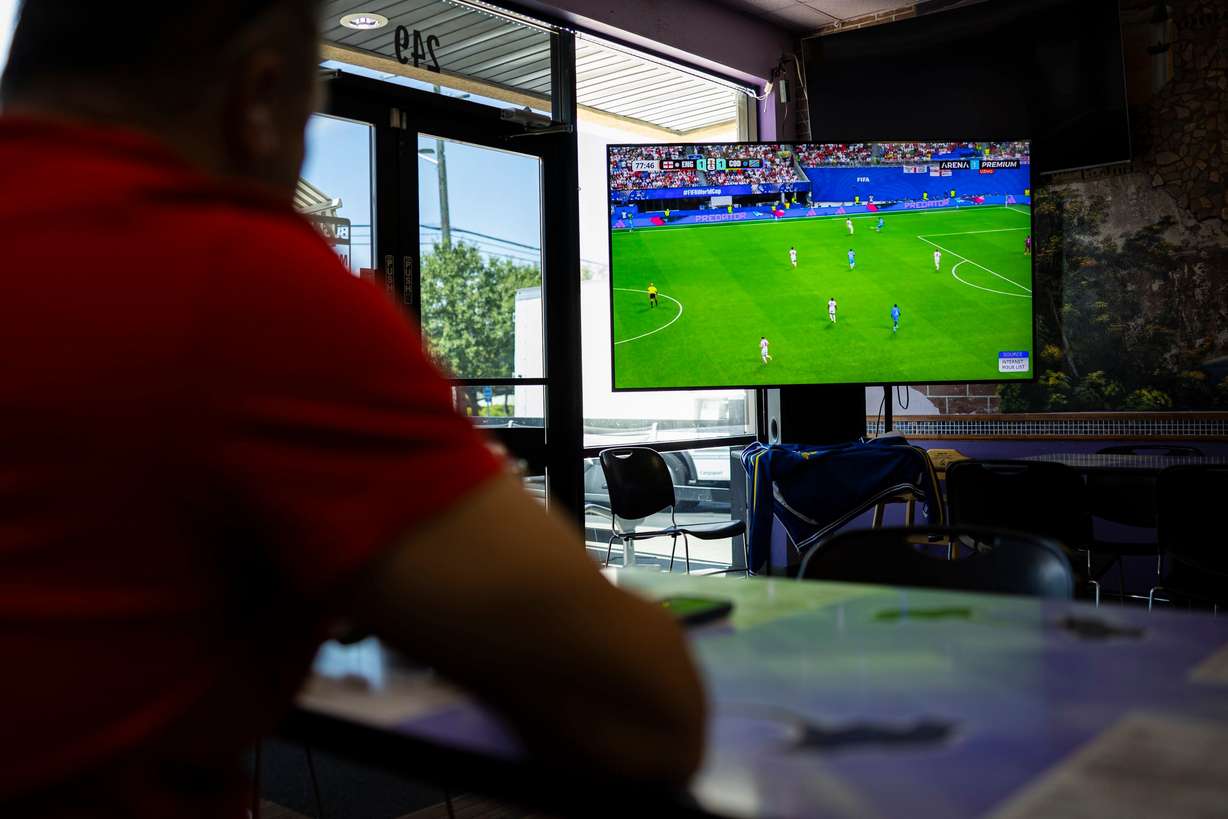
SALT LAKE CITY — As the U.S. faces Bosnia and Herzegovina in the World Cup Wednesday night, fans of the small Balkan nation see the game as a symbol of hope for a once-broken country.
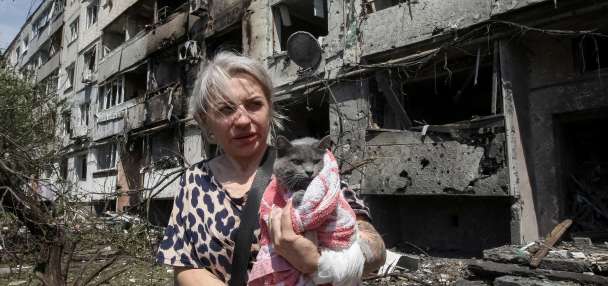
Bosnia and Herzegovina has a complicated, painful history, spanning numerous wars and genocides that pushed refugees across the globe.
But 30 years after war drove the country apart, its men's soccer team — nicknamed "The Dragons" — has reached the knockout stage of the world's biggest soccer tournament for the first time ever. On the world's stage, these players represent unity for a country often defined by painful division.
Ibro Sameric owns Old Bridge Cafe, a Bosnian restaurant in Salt Lake City. He and his family emigrated from Bosnia to Utah in 1998 after they lost everything in the war, but they keep their culture alive through food — and soccer.
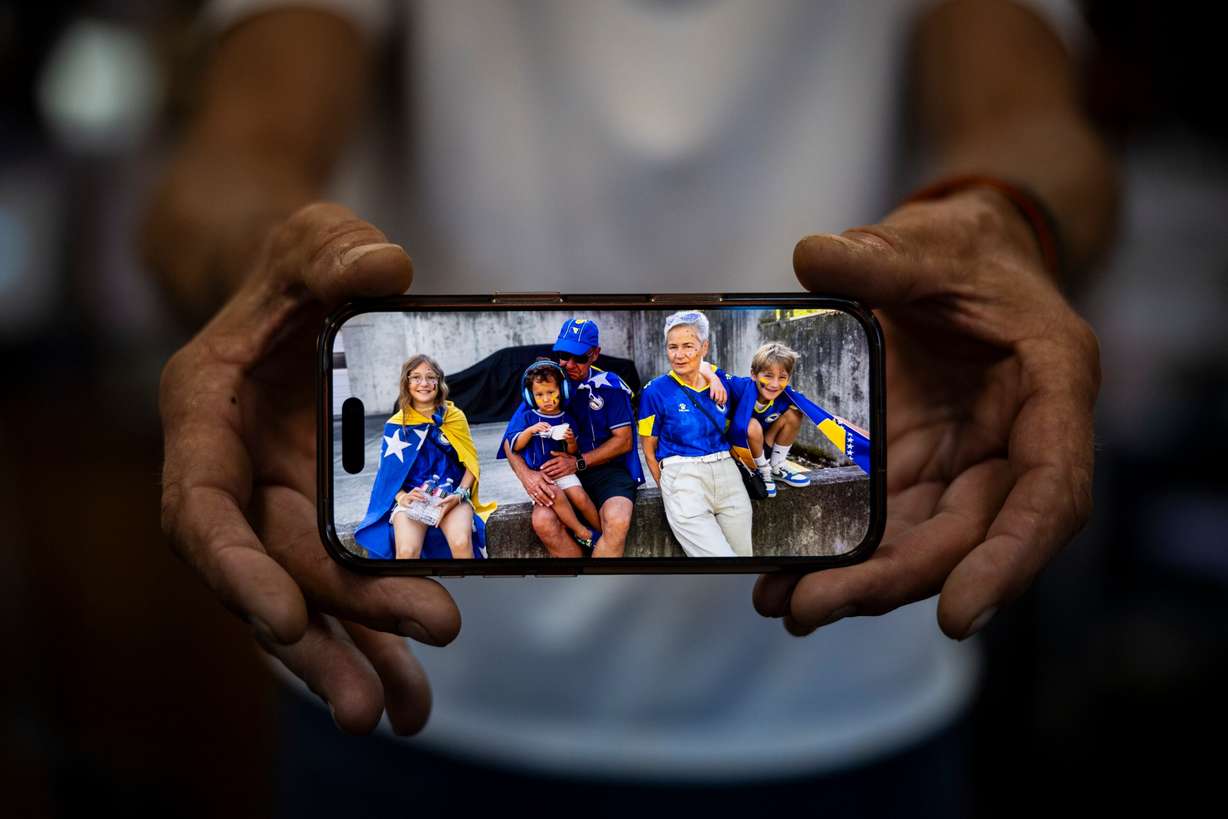
Sameric said soccer isn't just important in Bosnian culture; it plays a role in bridging the country's divides.
"We survived the war," he said. "After war, politicians continued the same politics, trying to split Bosnia. And now soccer is putting people together again."
A brief history of Bosnia and Herzegovina
Situated between Croatia, Serbia and Montenegro in southeastern Europe, the country has a population of approximately 3 million people — about the same as Utah.
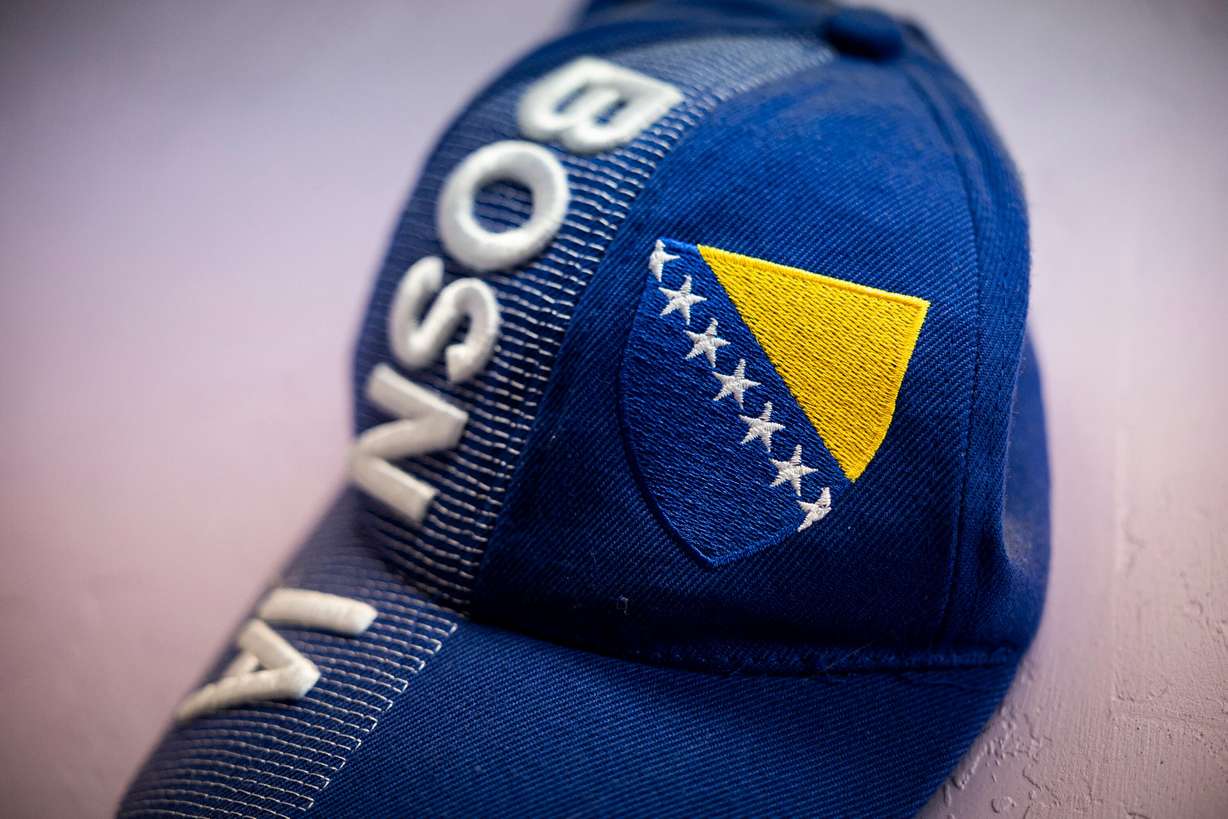
Bosnia and Herzegovina is relatively new, with its current government established in 1995. However, its history stretches back to the Ottoman Empire and Austro-Hungarian Empire. After World War I, it became part of Yugoslavia.
Deep ethnic and religious divisions intensified after Yugoslavia's collapse. Bosnia and Herzegovina was home to three major conflicting ethnic groups — Bosniak Muslims, Orthodox Serbs and Catholic Croats — and war broke out in 1992.
The ensuing Bosnian War lasted until 1995 and remains one of Europe's most devastating conflicts, killing approximately 100,000 people and displacing more than 2 million. In 1995, the Dayton Accords — named for Dayton, Ohio, the location where it was signed — ended the war and established a governmental structure.
Bosnia and Herzegovina has worked toward reconciliation and reconstruction, but its people are still haunted by the lingering pain of their past. Time Magazine reports that ethnicity remains "the organizing principle of politics" in the country.
And that's part of why the Bosnian men's soccer team is so important: They represent one united country. They do not appear as Bosnian, Serb or Croat or Muslim, Orthodox or Catholic. They are selected for their talent on the pitch, and they play for Bosnia and Herzegovina as a whole.
This unity extends to Bosnia-Herzegovina soccer fans, who show up as one to support their Dragons.
Bosnians in the US
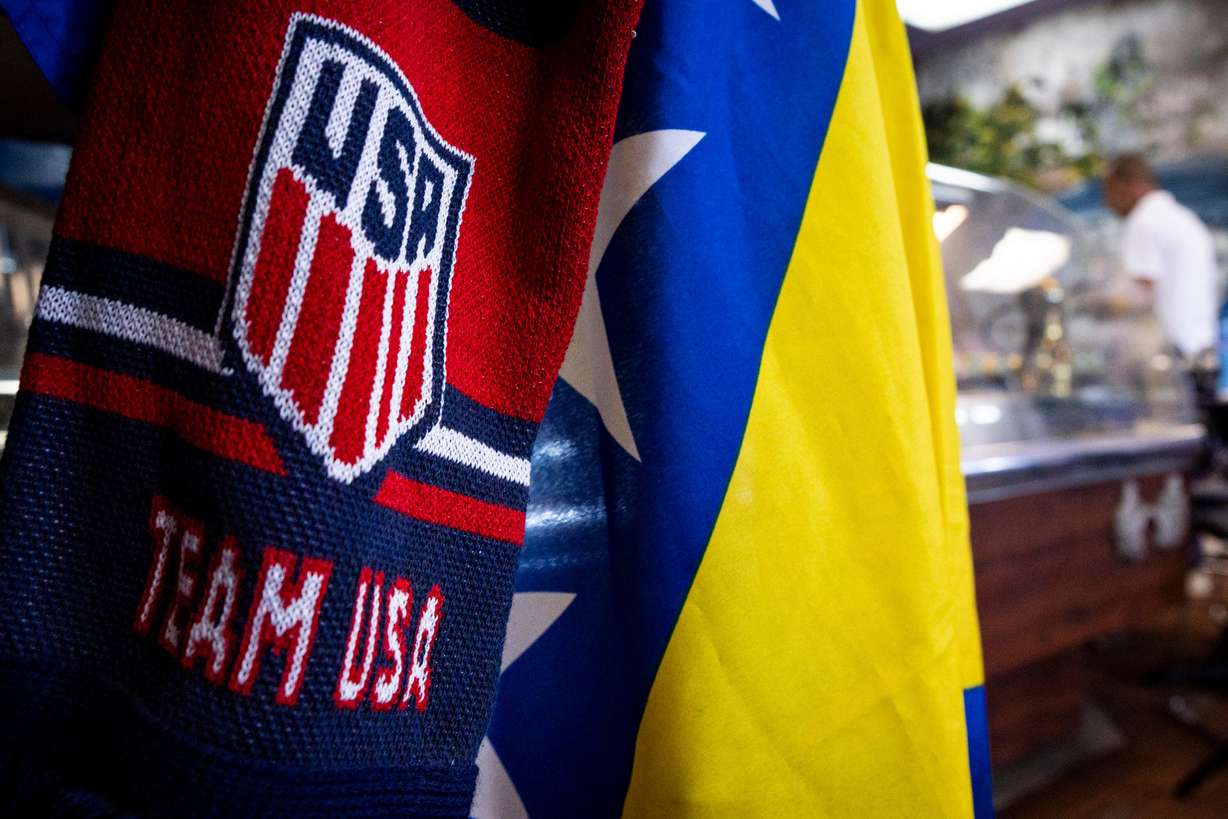
The Bosnian national men's soccer team recently spent some time in Utah, where they used Real Salt Lake's facilities in Sandy as a base camp between World Cup games.
Sameric had a party to celebrate the team's arrival, but he didn't just see them practice — he and his family traveled to Seattle and Los Angeles to see their team play Qatar and Switzerland. They were part of a crowd of thousands of Bosnians who turned out to watch the games.
He pulled up a video on his phone of the crowd inside the arena singing "Ljiljani," a popular song from Bosnian folk singer Halid Bešlic, who died in 2024. He said the crowd sang it perfectly, in unison.
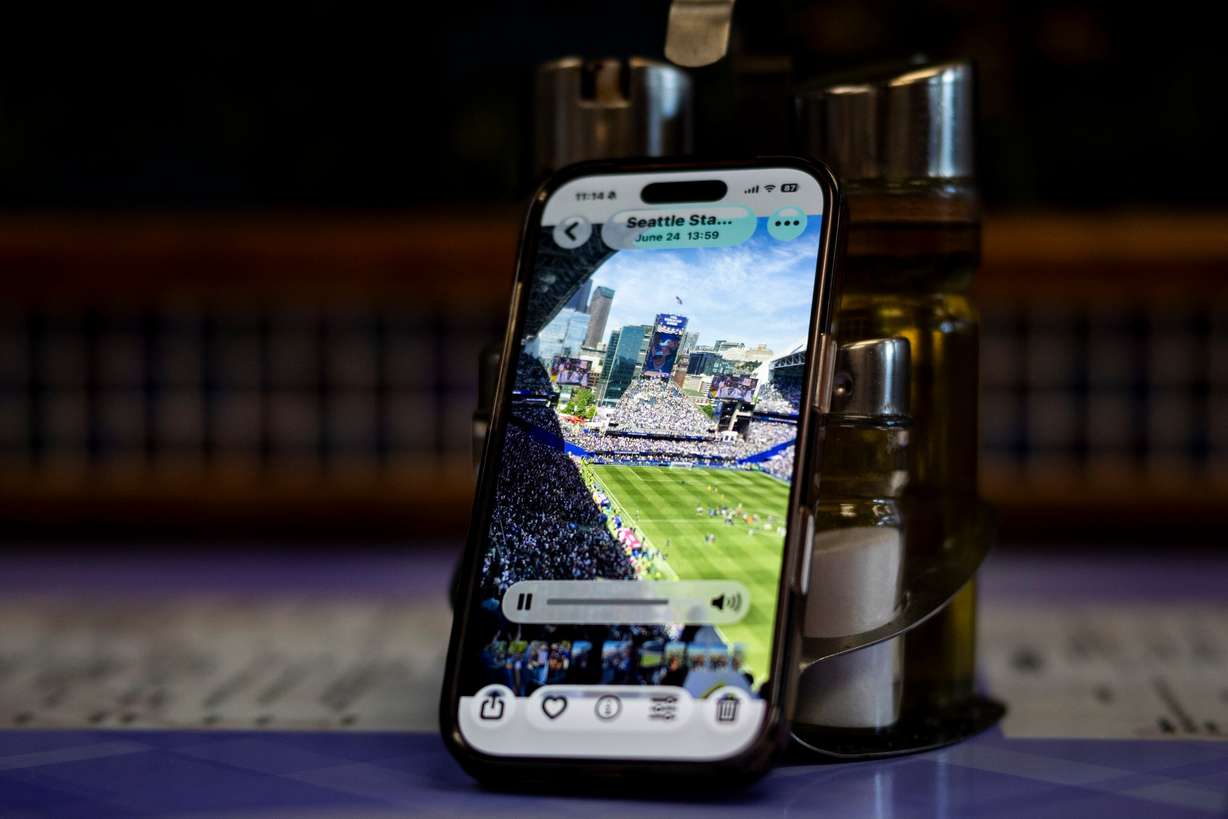
There are about 7,000 Bosnians in Utah, many of whom are regulars at Sameric's restaurant, but he gets customers from all backgrounds. He said Utah has been a great place for him, his family and other Bosnians over the past 28 years.
"For me, it's the best in the United States," Sameric said. "Nice people, peaceful ... I meet a lot of Utahns, and I'm friends with everybody."
Old Bridge Cafe offers only a small selection of the dishes found in Bosnian culture, Sameric said, but what they do have is authentic and homemade. Their most popular dish is ćevapi, Bosnian beef sausages served in fresh pita bread with vegetables and cheese.
Although many Americans don't know much about Bosnia and Herzegovina, Sameric said they should know that the country and its people have a lot to offer.
"We have a very, very old culture, language, food — I think in Europe, we have the best food — and everybody who visits Bosnia becomes happy," he said. "People are so nice. Very, very good people."
The war was immensely hard on the Bosnian people, but Sameric has hope for the future.
"Nothing was good, but now everything is becoming better," he said. "Light is coming."
Obviously, Sameric said, he's rooting for the Bosnian players facing the U.S. on Wednesday night. But he's happy with either outcome of the game.
"Bosnia is my blood," he said. "But America is my second country. If we lose, next, we have America."