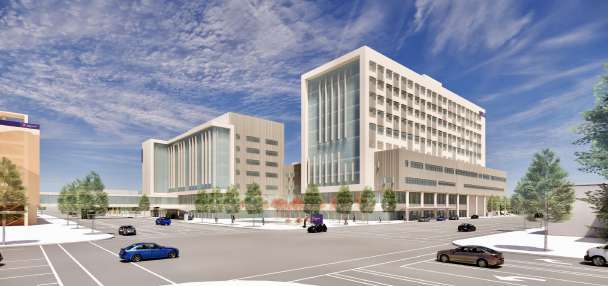

- Intermountain Health held a ground-breaking ceremony for the future relocated LDS Hospital site in Salt Lake City.
- Formal approval from the Salt Lake City Planning Commission is still pending.
- Construction is expected to start by 2027 and take three to five years at the former downtown Sears property.
SALT LAKE CITY — Intermountain Health celebrated the beginning of construction of a brand new LDS Hospital, but the state's largest healthcare provider is still awaiting formal approval from Salt Lake City's planning commission to move forward.
Several dignitaries, including Intermountain Health CEO Rob Allen, Elder Quentin L. Cook of the Quorum of the Twelve Apostles for The Church of Jesus Christ of Latter-day Saints, and Salt Lake City Mayor Erin Mendenhall, spoke about the new facility's potential on Tuesday.
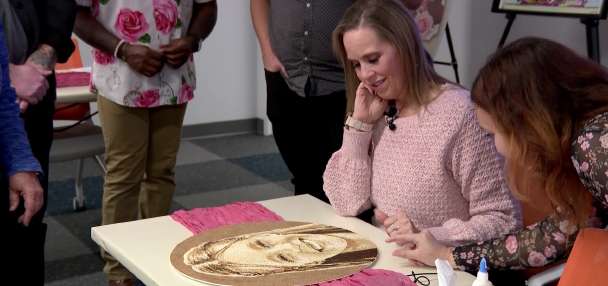
The event ended with a ceremonial shovel-turn ceremony to make way for the hospital complex at the site of the old Sears building near 754 S. State — where Intermountain will relocate the LDS Hospital from the Avenues.
Behind the scenes, work is still ongoing to secure a positive design review from the Salt Lake City Planning Commission after a rocky informational meeting last month.
A design review is needed before construction can officially begin. Heather Wall, the president of LDS Hospital, hopes a vote will take place in the coming weeks so construction can begin by the start of 2027.
"We've had some phenomenal discussions with the city planning commission, with city officials, specifically with a request from the city to do more," she told KSL after the event.
Related story:
Intermountain Health breaks ground on new LDS Hospital in downtown Salt Lake City
A little rain wasn't going to dampen the excitement surrounding a new chapter for one of Utah's oldest hospitals.Project architects recently adjusted the proposed outpatient pharmacy to improve accessibility to it, while a planned coffee shop and bistro can be reached from the street without dealing with hospital security, she said.
They also included a "functional greenhouse" to the design that is similar to one built within the outgoing facility in the Avenues, which will be open to the public to boost activity on the street.
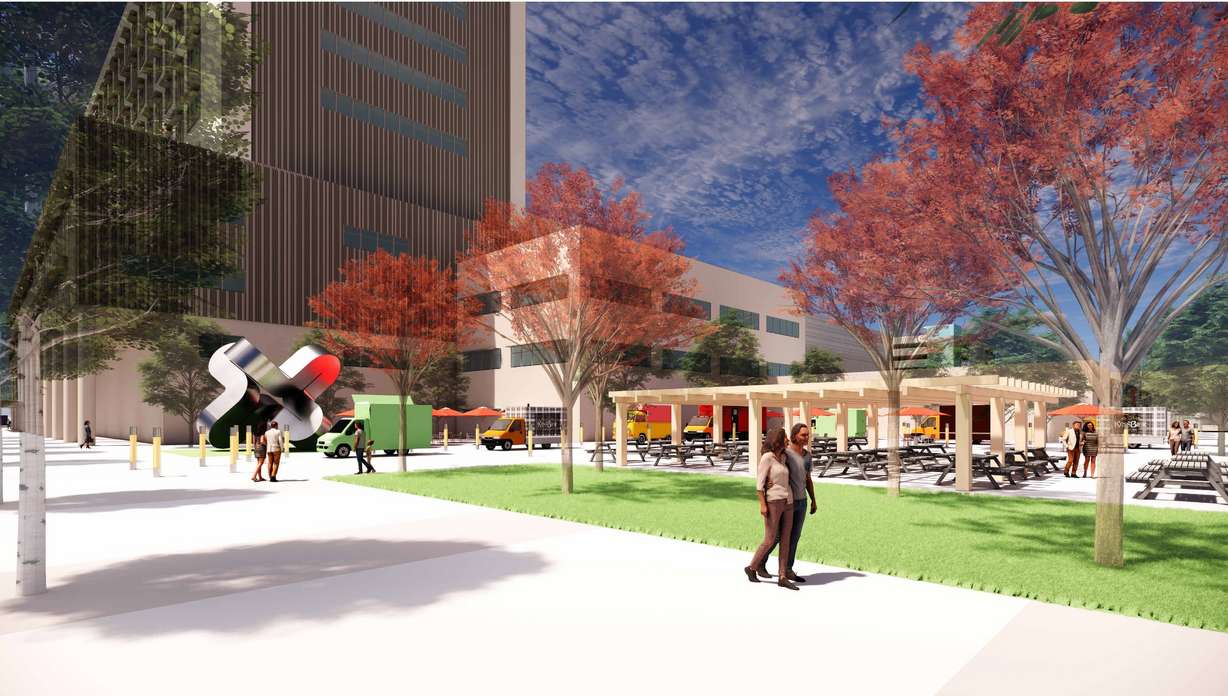
The adjustments were made after members of the planning commission voiced concerns about the proposed plan. Intermountain Health is also reviewing proposed exterior building materials after commissioners brought up issues with using an exterior insulation and finish system.
Intermountain and Salt Lake City have met to hash out differences since then, but the commission has yet to schedule a date to vote on the design.
The delay has yet to affect the project timeline, Wall said. It will take multiple years to complete, regardless of when it begins.
Officials previously estimated it will take three to five years to complete once construction begins, which can sometimes depend on the construction industry.
"We're really looking to have that additional dialogue to make sure that we're really creating a partnership and the things we're proposing add value to the community," she said. "Of course, I would love for it to be open as quickly as possible … but it may take a little time to get us there."
The Salt Lake City Council isn't needed to move forward with construction after its members approved a rezone in 2024, but some elements of the project, like a skybridge for employees, are required at some point in the process.
The City Council is also keeping an eye on ground-floor activations and green space, Councilman Chris Wharton said.
The move is bittersweet for Wharton, as he was born at the original LDS Hospital and his district covers the Avenues neighborhood. However, he's eager to see economic activation of the old Sears site, which has been primarily quiet since before it shuttered in 2018.
"It's part of the (Avenues) neighborhood, but it's also very exciting because we know we need a bigger downtown hospital, and … this location is probably better. It's more accessible," he said. "I think it's coming at a really critical time in our city as we're growing."
Wharton is also interested in what's next for the outgoing site, which is still being planned out.
Some services, such as internal medicine, may remain in the neighborhood, while parts of it could eventually be redeveloped, Wall said in September. There's no timeline for that to play out.