
- Crossroads Urban Center urges UTA to delay fare increase for better outreach of discounted passes.
- Less than 30% of discounted transit fare programs are utilized nationally, 2025 study found.
- UTA's fare increase decision, from $2.50 to $3, expected by Dec. 9; public comments still being collected.
SALT LAKE CITY — One of Utah's largest organizations that offers assistance to residents with low income is urging the state's largest transit provider to pause its proposed fare increase until it increases outreach over discounted passes.
Leaders of the Crossroads Urban Center sent the Utah Transit Authority a letter on Thursday explaining that discounted day passes are a "highly sought source of assistance" for more than 12,000 people who use its two emergency food pantries in Salt Lake City.
Yet, they're concerned that many people who may qualify for these types of passes don't know about them. Less than 30% of the programs in the country that offer discounted transit fares are utilized, according to an analysis conducted last year by the Urban Institute, a national think tank that focuses on urban issues.
UTA's reduced fare program is among the longest-serving of its kind in the country, but the organization could not find enough data about its participation rate. The Crossroads Urban Center estimates that over 266,000 people in Salt Lake County alone could qualify for discounted fares.
The Crossroads Urban Center requested that UTA include funding for outreach for its discount program in its 2027 budget, noting that the study also found that utilization rates tend to improve with better outreach.
"We would like to include funding in that budget for outreach to increase enrollment in all of UTA's discount passes and that any increase in prices be paused until that outreach has been completed," wrote Glenn Bailey, the executive director of Crossroads Urban Center, in the letter.
Powerful Moms Who Care, a grassroots organization based in Salt Lake City, is requesting something similar, while also asking for no fare increases and ensuring that riders can still use cash in the future.
It launched a comment-writing petition about it, which also demands that UTA make fare discounts and transit benefits more accessible.
"Public transportation is a public good," said Dawn Lueck, a community organizer for the group, during a UTA budget hearing Monday evening, noting that it means that all riders should be considered in planning processes.
UTA offers bus, rail and other transit services across the Wasatch Front, as well as parts of Tooele and Box Elder counties.
It proposed the 50-cent increase in August, citing the rising cost of essentially everything since its last fare increase 13 years ago. The adjustment would help offset increases tied to operating and maintaining services, and expanding transit service opportunities within its service area, Gavin Gustafson, the agency's spokesman, explained at the time.
UTA leaders have yet to decide whether to adopt the increase, which would go into effect at some point next year. That decision is expected by Dec. 9, alongside the budget and changes that aim to increase the ways people can pay fare.
Fare adjustments likely won't affect UTA revenue too much. Fare collection is expected to account for only approximately 4% of UTA's 2027 revenue, according to data presented to the UTA Transit Commission.
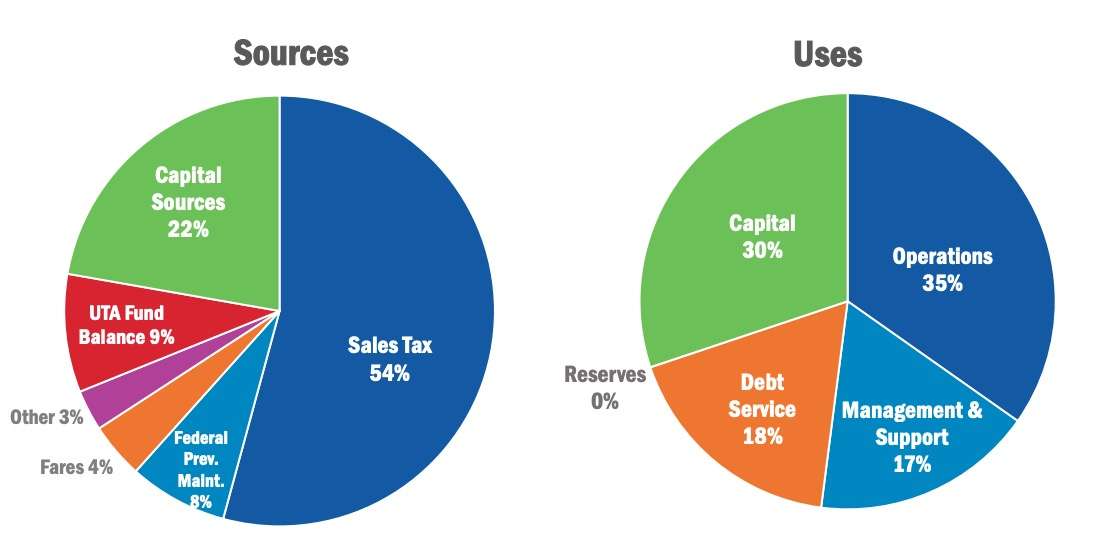
Most of its revenue — forecast to be nearly $685 million — comes from sales taxes (54%), but it also receives sizable contributions from capital sources (22%) and federal funds (8%). Capital sources are a mix of grants, leases, bonds and other revenues from various other funds.
It also estimates that 9% of its 2027 budget will come from its savings account.
In the meantime, UTA leaders say they will continue to collect public comments before finalizing the agency's next budget.
"We're interested in everyone's feedback," said Mike Caldwell, chairman of the UTA Transit Commission.