- Salt Lake City Mayor Mendenhall proposed a 12.5% property tax increase for upcoming fiscal year.
- Alternative tax options, like transportation and ticket fees, were initially considered.
- Those options could be introduced in the future, as cities get creative with budgets.
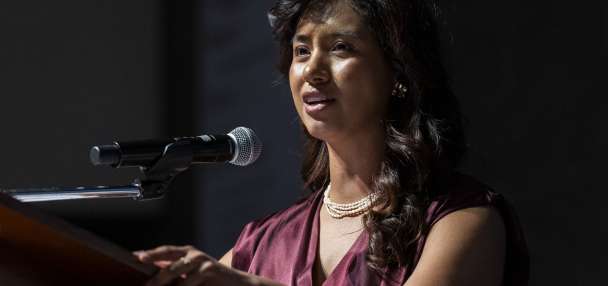
SALT LAKE CITY — The mayor of Utah's capital city anticipates that her decision to introduce a 12.5% tax increase will face plenty of resistance during a pair of upcoming public hearings about it.
Salt Lake City Mayor Erin Mendenhall unveiled her proposed $498.8 million general fund budget for the upcoming 2027 fiscal year on Tuesday, which includes the increase within the 28.4% of a property tax that the city receives from residents.
"People should have questions, whether it's about property tax or rate changes ... and we invite that," she said during a KSL and Deseret News editorial board meeting on Wednesday.
If approved by the Salt Lake City Council, it's expected to raise an additional $13.5 million that would go into capital improvement projects, emergency services, public safety and family youth programs.
Before seeking that, however, Salt Lake City implemented several cost-cutting measures and explored two unique "elective" tax options before ultimately introducing the property tax increase.
It could have adopted a new transportation fee or a public gathering tax, two items that cities across the state now have on their radar as costs surge. While not included, they are options that remain on the table for the future.
The options Salt Lake City considered
A few cities, like Provo, have a transportation utility fee, and it's quickly being considered by others, like Millcreek, one of Salt Lake City's neighbors.
It's a concept that emerged in recent years as more electric and gas-efficient vehicles entered the road, reducing road project revenue cities collect from gas taxes. At the same time, inflation since 2020 has increased the cost of road maintenance.
It's a monthly fee that can be assessed to residents, businesses, government, recreational, religious and other tax-exempt entities based on the vehicle trips each property generates. Some have decided it should only be applied to commercial properties.
Money collected would then go into the same pool of funds that pays for roads, either way.
Over 40% of properties in Salt Lake City are nontaxable, so the city was interested. However, there were concerns about how to apply it without creating a "double property tax," Mendenhall said.
The city is also switching its utility billing system, where this fee would be added, so it didn't want such a complicated measure to be even more confusing during the switch. Its utilities were already scheduled for another increase to pay off major infrastructure projects to repair its aging system, too.
The idea was quickly eliminated from consideration to allow more time for the city to review how it fares elsewhere.
"I'm excited to see if these other cities in the county are able to implement it, and how they're able to collect on it," Mendenhall said, saying she'd like to see if it turns out to be a reliable revenue source.
The other option was in play until the days before her speech. It would have implemented a new tax on tickets for sporting or arts and culture events held at government-owned facilities, like University of Utah games or concerts at Eccles Theater.
It likely would have generated enough money to cover the shortfall, but it also requires interlocal agreements. Those can be complex to piece together without ruining vital partnerships, and Mendenhall said the deals likely wouldn't have been finalized until sometime toward the end of the 2027 fiscal year at the earliest.
Thus, it made no sense to rush the process for something that may not deliver immediately.
"I didn't want to roll the dice on what needs to be a longer-term revenue-generating runway," she said.
Both concepts could be brought back up in the future, possibly easing burdens on homeowners by sharing the costs with tax-exempt entities and visitors.
What the city did instead
Mendenhall's proposal went through multiple iterations as fuel and other key costs skyrocketed in recent months, messing with estimates.
She ultimately chose to seek a property tax increase, while the city made cuts to trim the budget. The increase equates to about $9.87 per month for an average home valued at $624,000.
The city reports that it saved $13.2 million through various means, including a hiring freeze that began in January, staffing efficiencies that cut police overtime costs and ending its subsidization for the HIVE Pass transit program, among other things.
Its budget situation isn't unique. Other Utah and U.S. cities are facing "significant fiscal cliffs," as costs rise and federal assistance shrinks, Mendenhall said.
While she unveiled her tax increase request, Roy residents were fuming about a potential increase of up to 55.45% in their city, the Standard-Examiner reported. Double-digit percentage increases are also being considered in other parts of the state.
Some U.S. cities have ordered layoffs, which was another possibility. Salt Lake City would have had to implement "significant" layoffs to make up its deficit, which Mendenhall said she couldn't go through with, especially as demand for city services only rises.
Tax rates could change during the public process for Salt Lake City and elsewhere, but conversations over money and services will likely play out in city halls across the state as municipalities race to meet the start of the fiscal year, July 1.
It may even include creativity, such as the options Mendenhall considered.