'%3e%3cpath%20d='M34.1406%205.85938C30.3906%202.10547%2025.3047%200%2020%200C14.6953%200%209.60938%202.10547%205.85938%205.85938C2.10938%209.61328%200%2014.6953%200%2020C0%2025.3047%202.10547%2030.3906%205.85938%2034.1406C9.61328%2037.8906%2014.6953%2040%2020%2040C25.3047%2040%2030.3906%2037.8945%2034.1406%2034.1406C37.8906%2030.3906%2040%2025.3047%2040%2020C40%2014.6953%2037.8945%209.60938%2034.1406%205.85938ZM37.0117%2023.543H31.1602V13.5391H27.6328V19.9414C28.1211%2020.6914%2028.3711%2021.582%2028.3711%2022.5625V22.625C28.3711%2023.668%2028.1172%2024.6055%2027.6328%2025.4297V26.6094H36.082C33.4883%2032.9375%2027.2891%2037.3789%2020.0039%2037.3789C10.3711%2037.3789%202.62109%2029.6289%202.62109%2020C2.62109%2010.3711%2010.3711%202.62109%2020%202.62109C29.6289%202.62109%2037.3789%2010.3711%2037.3789%2020C37.3789%2021.1484%2037.2617%2022.2656%2037.0508%2023.3477C37.0391%2023.4141%2037.0234%2023.4766%2037.0117%2023.543Z'%20fill='white'/%3e%3cpath%20d='M22.3086%2018.5352C20.4336%2018.125%2019.9531%2017.8398%2019.9766%2017.1836V17.1406C19.9766%2016.6992%2020.3477%2016.2148%2021.4023%2016.2148C22.582%2016.2148%2023.8867%2016.6797%2025.0781%2017.4766L26.8516%2015.0195C25.4453%2013.8906%2023.707%2013.3398%2021.5547%2013.3398C18.5195%2013.3398%2016.4375%2015%2016.4063%2017.4766V17.5352C16.3633%2020.2617%2018.5859%2020.9805%2021.293%2021.6016C23.0391%2021.9766%2023.5703%2022.3164%2023.5703%2022.9609L23.5469%2022.9766C23.5469%2023.3906%2023.2578%2023.7031%2022.7852%2023.8359C22.5742%2023.9062%2022.1289%2023.9727%2021.5156%2023.9727C20.7617%2023.9727%2019.7539%2023.8633%2018.6328%2023.4844C18.0898%2023.2891%2017.4727%2023.0039%2016.8047%2022.6133L20.1406%2026.625C20.2813%2026.6602%2021.0977%2026.8516%2021.7734%2026.8516C25.0039%2026.8516%2027.0859%2025.2461%2027.1094%2022.6328V22.5703C27.1602%2020.1133%2025.2148%2019.1719%2022.3086%2018.5352Z'%20fill='white'/%3e%3cpath%20d='M5.24219%2013.5664V26.6133H8.75391V23.7578L10.2969%2021.9531L14.2031%2026.6133H18.3867L12.3555%2019.5195L17.4023%2013.5664H13.4531L8.75391%2019.0586V13.5664H5.24219Z'%20fill='white'/%3e%3c/g%3e%3cdefs%3e%3cclipPath%20id='clip0_97_2430'%3e%3crect%20width='40'%20height='40'%20fill='white'/%3e%3c/clipPath%3e%3c/defs%3e%3c/svg%3e)


Estimated read time: 5-6 minutes
Powder days are elite. Emergency room visits are not.
With the Winter Games underway, injuries to prominent athletes like American Alpine skier Lindsey Vonn are at the forefront of public attention. But the vast majority of Utah winter sports enthusiasts will never compete for a medal.
Whether you are skiing Little Cottonwood, pulling your kids on a sled, or navigating icy sidewalks, winter activities carry real injury risks. The good news is that many of the most common winter sports injuries are preventable with the right preparation and care from experts at University of Utah Health.
Most common winter sports injuries
With Utah winter sports running the gamut from snowshoeing to ice fishing to ski jumping, the types of injuries that can happen are diverse. But University of Utah Health experts list these as some that are more common:
- Knee injuries – Skiers are especially prone to knee injuries caused by twisting falls or bindings that fail to release properly. Strong leg muscles and properly adjusted equipment can significantly reduce risk.
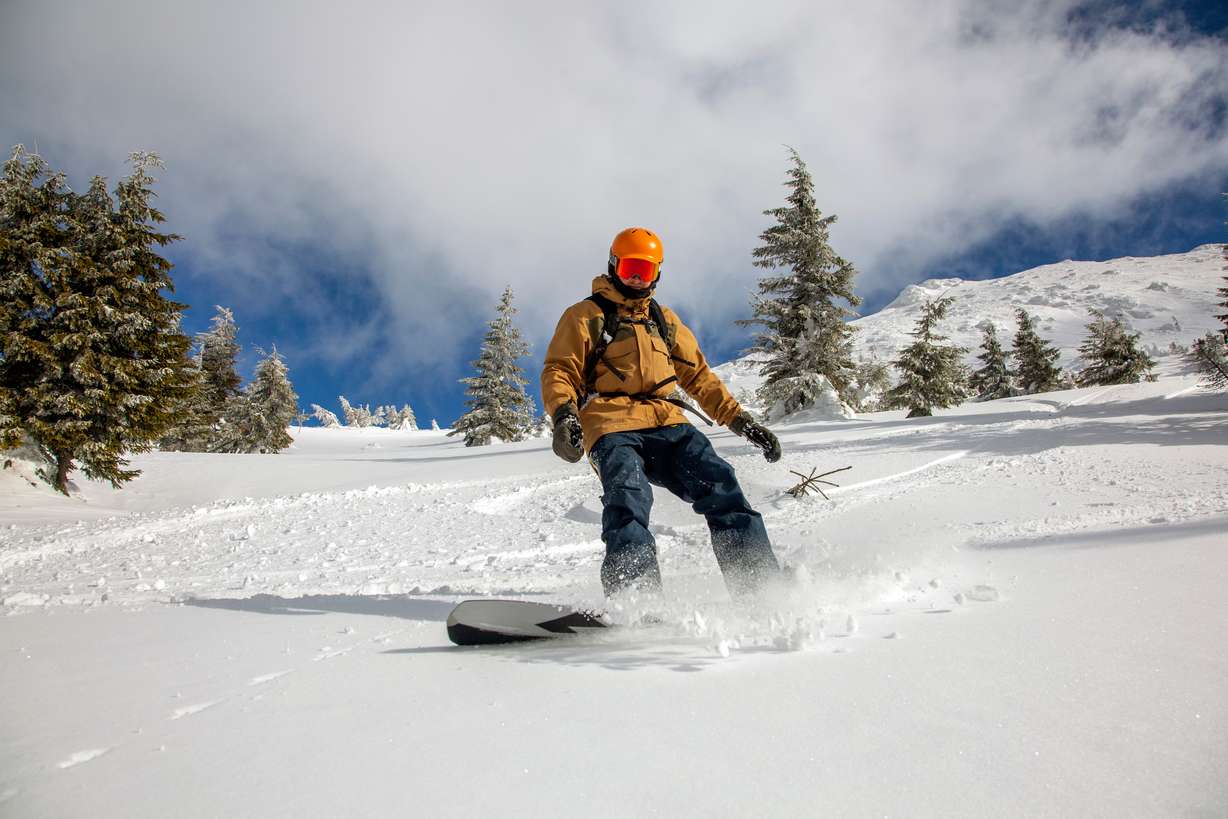
- Wrist and forearm fractures – Snowboarders often fall forward and instinctively reach out with their hands, making wrist and forearm injuries among the most frequent winter sports injuries.
- Concussions – Falls, collisions and terrain park accidents can cause concussions even when a crash does not seem severe. Symptoms are not always immediate, which is why evaluation matters.
- Ankle and lower leg injuries – Ski and snowboard boots provide support but limit movement. When force transfers beyond the boot, the ankle or lower leg can absorb the impact.
- Cold-related injuries – Frostnip and frostbite are uncommon but possible, especially at higher elevations and in windy conditions when skin is exposed.
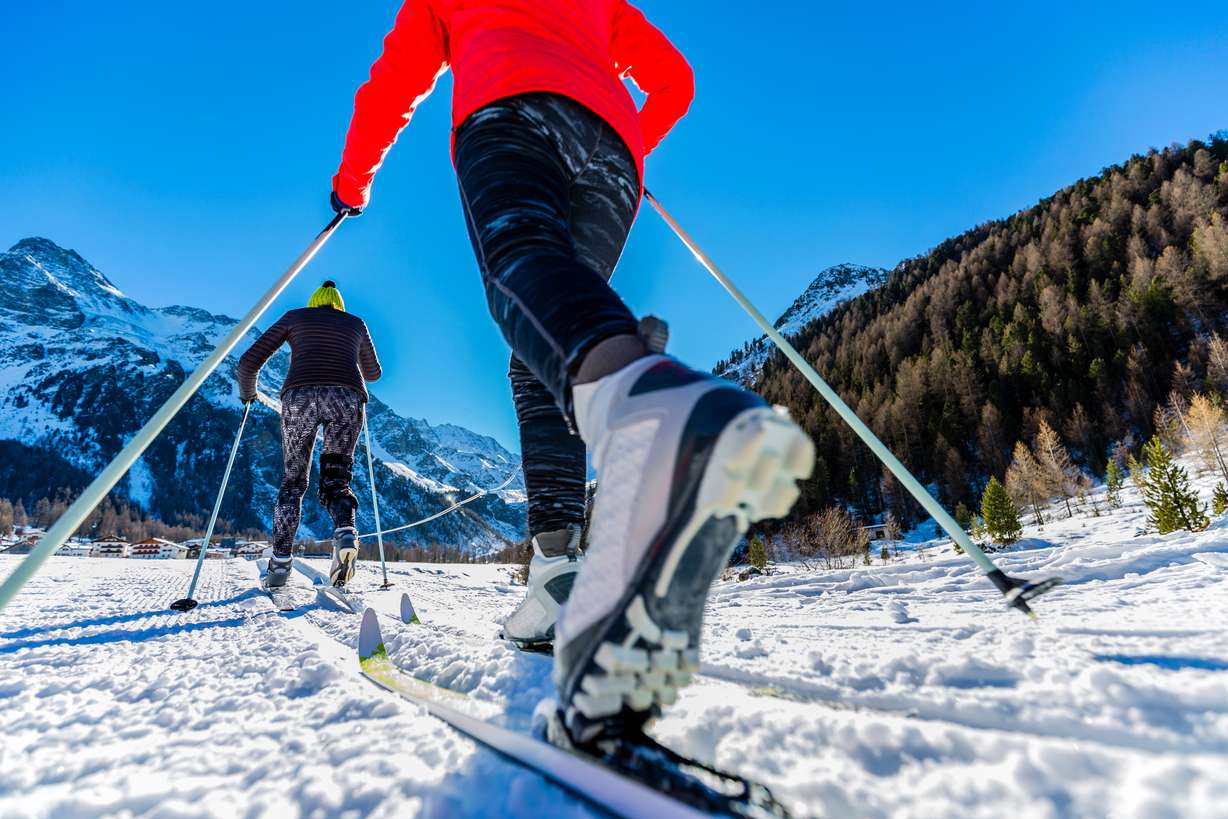
University of Utah Health helps prevent these injuries
University of Utah Health specialists work with elite athletes from the University of Utah and world-class competitors in virtually every type of sport. The focus is always on prevention as much as treatment. That's important for helping Utahns stay active and avoid long recoveries.
Sports medicine and orthopedics: Specialists analyze how winter athletes move, fall, and land. That research leads to prevention and rehabilitation plans that reflect real conditions on snow and ice.
Injury prevention training: Strength, balance, and neuromuscular training programs help reduce injury risk before the season begins, especially for knee injuries.
Concussion awareness and care: Baseline testing, clinical assessments and structured return-to-activity plans help ensure injured sports enthusiasts achieve full recovery and don't rush back too soon.
Community education: From recreational skiers to competitive athletes, University of Utah Health provides practical guidance so fewer people end up learning anatomy the hard way. Preventative information and training is especially important for children so they know how to protect themselves against injury, whether they are sledding or snowboarding.
Ultimate winter sports do and don't list
The winter sports medicine experts at University of Utah Health offer these tips for anyone who
Do:
Warm up before your first run. Cold muscles are more prone to injury.
Get bindings checked annually. Proper settings matter.
Wear a helmet, even if you rarely fall.
Build leg and core strength before the season starts.
Pay attention to fatigue. Tired legs lead to poor decisions.
Don't:
Do not ski through knee pain.
Do not ignore a hit to the head, even if symptoms seem mild.
Do not skip wrist guards if you snowboard.
Don't underestimate cold exposure.
Don't push for one more run when your form starts to break down.
Why this matters even if you are not gold medal bound
Most winter injuries do not happen to professional athletes. They happen to everyday Utahns fitting in a few runs before dinner or squeezing in weekend time with family and friends. Preventing one bad fall can mean avoiding surgery, lengthy rehabilitation, or missing an entire season.
University of Utah Health's goal is simple: help Utahns keep doing what they love, longer and safer, from beginner slopes to expert terrain. Whether you need physical therapy or surgical expertise, they have experienced medical professionals to help.
Enjoy the season. Just do it smart. Your knees, wrists, and brain will thank you.

The opinions and conclusions expressed in this article are the sponsor's own and do not reflect the views or opinions of KSL.com. This Site Does Not Provide Medical Advice. Any content on this Site, such as text, graphics, images, information obtained from, or contained on this Site are for informational purposes only. The content is not intended to be a substitute for professional medical advice, diagnosis, or treatment. Always seek the advice of your physician or other qualified health provider with any questions you may have regarding a medical condition. Never disregard professional medical advice or delay in seeking it because of something you have read on this site! The owner and operator of this site do not recommend or endorse any specific tests, physicians, products, procedures, opinions, or other information that may be mentioned on the site. Reliance on any information provided by the Operator, including their employees, contractors or others appearing on the Site at the invitation of the Operator, or other visitors to the Site is solely at your own risk. If you think you may have a medical emergency, call your doctor or 911 immediately.