'%3e%3cpath%20d='M34.1406%205.85938C30.3906%202.10547%2025.3047%200%2020%200C14.6953%200%209.60938%202.10547%205.85938%205.85938C2.10938%209.61328%200%2014.6953%200%2020C0%2025.3047%202.10547%2030.3906%205.85938%2034.1406C9.61328%2037.8906%2014.6953%2040%2020%2040C25.3047%2040%2030.3906%2037.8945%2034.1406%2034.1406C37.8906%2030.3906%2040%2025.3047%2040%2020C40%2014.6953%2037.8945%209.60938%2034.1406%205.85938ZM37.0117%2023.543H31.1602V13.5391H27.6328V19.9414C28.1211%2020.6914%2028.3711%2021.582%2028.3711%2022.5625V22.625C28.3711%2023.668%2028.1172%2024.6055%2027.6328%2025.4297V26.6094H36.082C33.4883%2032.9375%2027.2891%2037.3789%2020.0039%2037.3789C10.3711%2037.3789%202.62109%2029.6289%202.62109%2020C2.62109%2010.3711%2010.3711%202.62109%2020%202.62109C29.6289%202.62109%2037.3789%2010.3711%2037.3789%2020C37.3789%2021.1484%2037.2617%2022.2656%2037.0508%2023.3477C37.0391%2023.4141%2037.0234%2023.4766%2037.0117%2023.543Z'%20fill='white'/%3e%3cpath%20d='M22.3086%2018.5352C20.4336%2018.125%2019.9531%2017.8398%2019.9766%2017.1836V17.1406C19.9766%2016.6992%2020.3477%2016.2148%2021.4023%2016.2148C22.582%2016.2148%2023.8867%2016.6797%2025.0781%2017.4766L26.8516%2015.0195C25.4453%2013.8906%2023.707%2013.3398%2021.5547%2013.3398C18.5195%2013.3398%2016.4375%2015%2016.4063%2017.4766V17.5352C16.3633%2020.2617%2018.5859%2020.9805%2021.293%2021.6016C23.0391%2021.9766%2023.5703%2022.3164%2023.5703%2022.9609L23.5469%2022.9766C23.5469%2023.3906%2023.2578%2023.7031%2022.7852%2023.8359C22.5742%2023.9062%2022.1289%2023.9727%2021.5156%2023.9727C20.7617%2023.9727%2019.7539%2023.8633%2018.6328%2023.4844C18.0898%2023.2891%2017.4727%2023.0039%2016.8047%2022.6133L20.1406%2026.625C20.2813%2026.6602%2021.0977%2026.8516%2021.7734%2026.8516C25.0039%2026.8516%2027.0859%2025.2461%2027.1094%2022.6328V22.5703C27.1602%2020.1133%2025.2148%2019.1719%2022.3086%2018.5352Z'%20fill='white'/%3e%3cpath%20d='M5.24219%2013.5664V26.6133H8.75391V23.7578L10.2969%2021.9531L14.2031%2026.6133H18.3867L12.3555%2019.5195L17.4023%2013.5664H13.4531L8.75391%2019.0586V13.5664H5.24219Z'%20fill='white'/%3e%3c/g%3e%3cdefs%3e%3cclipPath%20id='clip0_97_2430'%3e%3crect%20width='40'%20height='40'%20fill='white'/%3e%3c/clipPath%3e%3c/defs%3e%3c/svg%3e)


This archived news story is available only for your personal, non-commercial use. Information in the story may be outdated or superseded by additional information. Reading or replaying the story in its archived form does not constitute a republication of the story.
- Intermountain Health offers tattoo-free radiation therapy for cancer patients in Utah.
- Surface-guided radiation therapy uses 3D cameras for precise treatment without permanent marks.
- The approach expands statewide by year-end improving quality of life for patients.
MURRAY — For cancer patients, radiation therapy can leave more than just scars on the inside. Now, Utah patients can receive cutting-edge treatment without a lasting reminder on their skin.
Traditionally, small tattoos were used to guide radiation therapy. But for many patients, these permanent marks can cause anxiety or emotional distress — a daily reminder of their cancer journey. Intermountain Health is the first health system in Utah to eliminate these tattoos, offering a tattooless approach to radiation therapy.
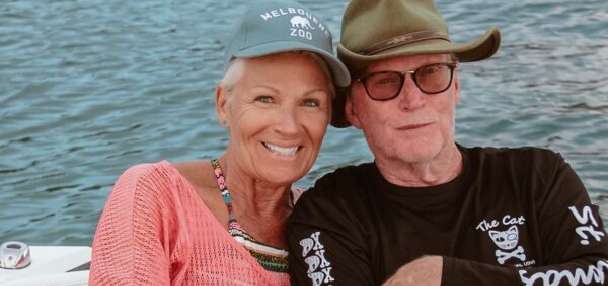
For Becky Brown, of Stansbury Park, the difference is life-changing.
"I actually found a lump under my arm," said Brown, a mother of three and grandmother of seven. She was diagnosed last year with metastatic breast cancer that had spread to her lymph nodes. Since then, she has endured 12 rounds of chemotherapy, 18 radiation treatments and continues with immunotherapy.
Through it all, Brown said she's thankful she didn't have to add one more reminder of cancer to her body.
"I was so happy. … I was so pleased I wasn't going to have little dots tattooed around on me," she said. "It would be a reminder of everything I've been through, and I don't need any more reminders."
Instead of permanent ink, the new technology — called surface-guided radiation therapy — uses 3D cameras to monitor a patient in real time. Doctors say it's just as accurate as tattoos, while also creating a smoother and faster treatment process.
Intermountain first launched tattooless therapy at Utah Valley Hospital in December 2022 and officially phased out tattoos there by September 2023. Since then, the approach has expanded to Cedar City, St. George Regional and Intermountain Medical Center in Murray, with plans to be offered statewide by the end of this year.
"Not everyone is comfortable getting tattoos or permanent ink into their bodies," said Dr. Rachel Shenker, a radiation oncologist at Intermountain. "We're making sure that the treatment is being delivered in the most precise and accurate way."
Shenker added that the innovation is about more than technology — it's about improving quality of life.
"They don't have to have the long-lasting physical scars of their reminder of the radiation treatment, which I think is really important for survivorship," Shenker said. "To be able to add in some form of ease and comfort and efficiency, I think really helps people on their day-to-day to keep as much normalcy as possible."
For Brown, that means moving forward without one more mark of cancer.
"I'm so grateful that they have found a new discovery on how to do the radiation and how to make it be successful," she said. "I didn't want to get the tattoos, and I didn't have to."