
Estimated read time: 4-5 minutes
- Salt Lake City approved rezoning for Smith's Ballpark, aiming for redevelopment.
- Demolition may start by 2028, with mixed-use development and public facilities planned.
- Market conditions and funding will influence the project's timeline and execution.
SALT LAKE CITY — The old home of the Salt Lake Bees is on track to be partially demolished by 2028 after Salt Lake City leaders approved new zoning for the site last month.
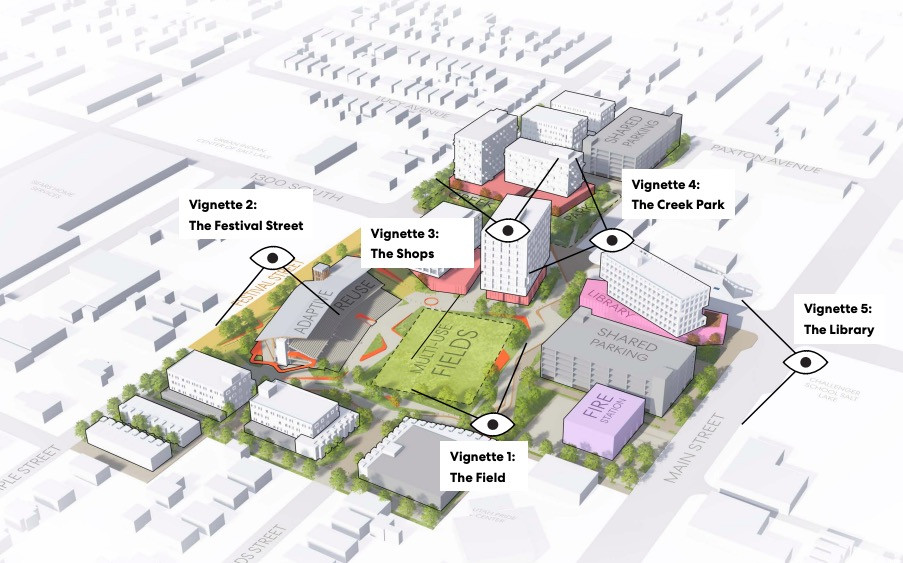
After that, it may be up to the market and other factors to determine how quickly the city can refill the space with a mix of new housing, business and open space, along with a new fire station and library.
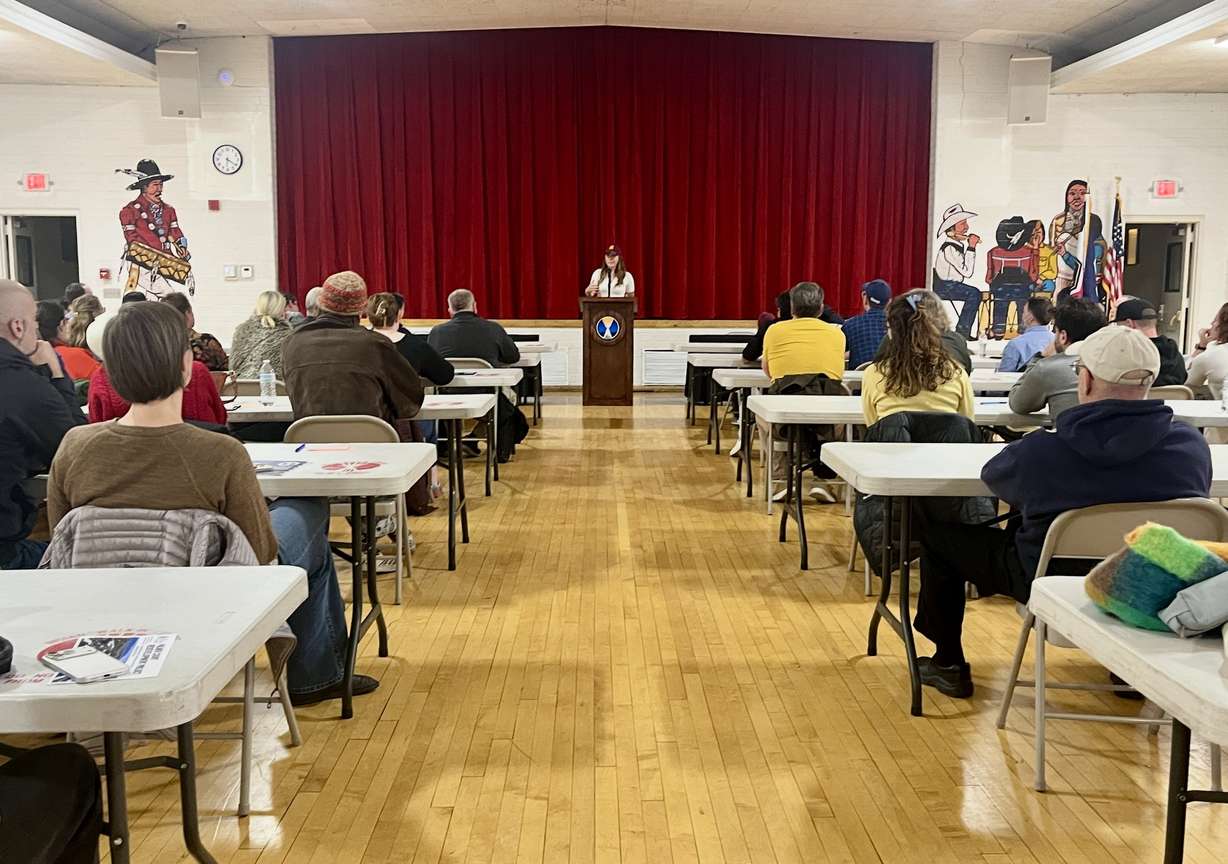
That was the key message city leaders provided during a town hall about Smith's Ballpark's future Monday evening, before a Salt Lake City Community Reinvestment Agency meeting on the next steps Tuesday afternoon.
"The reality that is happening now is it's not about planning anymore; it is execution," said Salt Lake City Mayor Erin Mendenhall.
When will construction begin?
Salt Lake City recently transferred ownership of the stadium to the Reinvestment Agency, a city agency that seeks to spur redevelopment within the city, while also approving a new zoning for the site. It allows for heights of 95 feet in certain circumstances.
The land transfer process took much longer than expected, which is why it took so long to get to this point, Mendenhall said. The city also extended its partnership with Cornerstone Technologies to hold events at the stadium through at least mid-2027, keeping the site active while planning continues.
City staff is currently conducting a feasibility study to better understand what type of development mix the site could hold, along with at least 5 acres of open space, seeking to avoid a "half-completed project."
It will also better outline partial demolition of the stadium, keeping some of it for a future event venue. The Community Reinvestment Agency could begin seeking demolition contractors by mid-2027.
Demolition may not begin until 2028, though, said Danny Walz, director of the Community Reinvestment Agency. The study will also determine costs and funding sources, which could push back timelines if there are unforeseen challenges or funding gaps, he told KSL after the event.
The city will eventually determine whether to sell off parts of the land for development or ground-floor leases, as part of the next steps. The first request for development proposals could be issued in 2027, starting with the site's old parking lot.
Eying the market
Utah's development market is another key element to the buildout of the plan. Construction has slowed down largely due to higher costs, from materials to interest rates, and financing hurdles.
"The market is going to be a huge factor just in terms of what we think is realistic to expect in doing some of these projects," he said, explaining that the city could consider a master developer to do the massive project at once or break up the land into smaller parcels for future redevelopment if the market leans toward that.
Developers have reached out to touch base with the city on the plan, indicating some interest before any of the land is officially on the market.
Ballpark has been one of the neighborhoods where development has continued even with the economic slowdown, which is another positive sign. Construction crews are currently building out Liberty Corner, a major new housing complex, a few blocks west of Smith's Ballpark.
A few other projects are also under construction or in the pipeline. It's one of the areas where land costs are cheaper, making it easier to attract development interest, Walz said.
Salt Lake City intends to have the area designated as an opportunity zone to sweeten the pot. Opportunity zones were created nearly a decade ago, allowing developers to collect tax benefits by redeveloping in underserved communities or generally abandoned areas.
Those incentives have helped spur growth in the Granary District, located a few blocks northwest of Ballpark.
The goal is to create a balance of housing types to keep the area affordable and avoid displacing existing residents.
Meanwhile, a library and fire station in the area would require city funds. It's something that can be complicated, especially since the budget has been a big concern in recent years.
Given all of the variables, there's no real timeline for the full plan to come to fruition.
"I think with the certainty of the zoning change, hopefully that lets developers know we're ready to move forward and have development ready," Walz said. "We are hoping for the private development to happen quickly ... and then that's for us to figure out how quickly we can turn around the larger asset."
'Ready for execution'
Salt Lake City is exploring unique ways to add potential cash flow, too.
One of those could be a naming rights rebrand of the site, giving it its own identity beyond its existing name. Either way, the old signage will likely come down at some point.
Residents are eager to see it come together. Monday's meeting, organized and led by the neighborhood nonprofit Ballpark Action Team, brought in dozens of residents.
"It's time to turn the vision into reality," said Toni Allison, the chair of the organization's board. "We're ready for execution."