'%3e%3cpath%20d='M34.1406%205.85938C30.3906%202.10547%2025.3047%200%2020%200C14.6953%200%209.60938%202.10547%205.85938%205.85938C2.10938%209.61328%200%2014.6953%200%2020C0%2025.3047%202.10547%2030.3906%205.85938%2034.1406C9.61328%2037.8906%2014.6953%2040%2020%2040C25.3047%2040%2030.3906%2037.8945%2034.1406%2034.1406C37.8906%2030.3906%2040%2025.3047%2040%2020C40%2014.6953%2037.8945%209.60938%2034.1406%205.85938ZM37.0117%2023.543H31.1602V13.5391H27.6328V19.9414C28.1211%2020.6914%2028.3711%2021.582%2028.3711%2022.5625V22.625C28.3711%2023.668%2028.1172%2024.6055%2027.6328%2025.4297V26.6094H36.082C33.4883%2032.9375%2027.2891%2037.3789%2020.0039%2037.3789C10.3711%2037.3789%202.62109%2029.6289%202.62109%2020C2.62109%2010.3711%2010.3711%202.62109%2020%202.62109C29.6289%202.62109%2037.3789%2010.3711%2037.3789%2020C37.3789%2021.1484%2037.2617%2022.2656%2037.0508%2023.3477C37.0391%2023.4141%2037.0234%2023.4766%2037.0117%2023.543Z'%20fill='white'/%3e%3cpath%20d='M22.3086%2018.5352C20.4336%2018.125%2019.9531%2017.8398%2019.9766%2017.1836V17.1406C19.9766%2016.6992%2020.3477%2016.2148%2021.4023%2016.2148C22.582%2016.2148%2023.8867%2016.6797%2025.0781%2017.4766L26.8516%2015.0195C25.4453%2013.8906%2023.707%2013.3398%2021.5547%2013.3398C18.5195%2013.3398%2016.4375%2015%2016.4063%2017.4766V17.5352C16.3633%2020.2617%2018.5859%2020.9805%2021.293%2021.6016C23.0391%2021.9766%2023.5703%2022.3164%2023.5703%2022.9609L23.5469%2022.9766C23.5469%2023.3906%2023.2578%2023.7031%2022.7852%2023.8359C22.5742%2023.9062%2022.1289%2023.9727%2021.5156%2023.9727C20.7617%2023.9727%2019.7539%2023.8633%2018.6328%2023.4844C18.0898%2023.2891%2017.4727%2023.0039%2016.8047%2022.6133L20.1406%2026.625C20.2813%2026.6602%2021.0977%2026.8516%2021.7734%2026.8516C25.0039%2026.8516%2027.0859%2025.2461%2027.1094%2022.6328V22.5703C27.1602%2020.1133%2025.2148%2019.1719%2022.3086%2018.5352Z'%20fill='white'/%3e%3cpath%20d='M5.24219%2013.5664V26.6133H8.75391V23.7578L10.2969%2021.9531L14.2031%2026.6133H18.3867L12.3555%2019.5195L17.4023%2013.5664H13.4531L8.75391%2019.0586V13.5664H5.24219Z'%20fill='white'/%3e%3c/g%3e%3cdefs%3e%3cclipPath%20id='clip0_97_2430'%3e%3crect%20width='40'%20height='40'%20fill='white'/%3e%3c/clipPath%3e%3c/defs%3e%3c/svg%3e)


- Salt Lake City allocated $35 million for transportation, parks and city facility improvements in capital improvement project.
- Budget challenges may impact future projects, with rising costs and limited funds.
- Conversations of the program's future could happen at a city level later this year.
SALT LAKE CITY — Leaders of Utah's capital city completed its fiscal year budget on Tuesday by allocating nearly $35 million toward various projects, many of which were brought to them by residents and public groups.
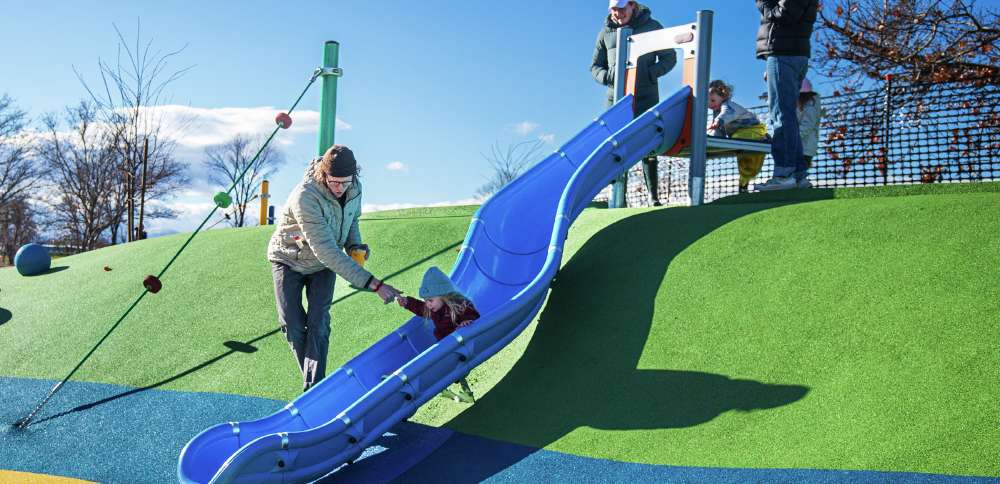
The Salt Lake City Council agreed to spend more than $19.3 million toward different transportation repairs and enhancements, another $12.7 million for parks and public spaces projects and $2.8 million more on city facility improvements through its capital improvement program.
However, the program could face future challenges as the city, like many local governments across the country, navigates through budget uncertainties.
"It was rough. It was very rough to try to make as much positive impact with many of the requests that the community submitted, but with little money," said Salt Lake City Council Chairman Alejandro Puy before the vote, noting that multiple projects he'd like to see approved missed the cut because of the shrinking money available for the program.
What got funded this year
Approximately $48 million went toward the program from the budget that city leaders approved in June, with $34.9 million directed toward community projects.
In all, 76 projects were requested all over the city, with requests totaling over $58 million. Many missed the cut because demand continues to exceed the budget allocation. All but one involved transportation and streets or parks and open spaces.
"It matches what we see from the community," Puy said, noting that street safety and park infrastructure are two of the biggest issues the City Council hears about every year.
Salt Lake City allocated more than $8.2 million toward street reconstruction citywide, mostly ensuring that meet city ordinances and federal laws. Parts of 200 South, 600 East, Gilmer Drive, 900 South, Military Drive, Emerson Avenue, Texas Street, Belaire Drive and 500 West are tentatively targeted with the expenditure.
That was the largest of any of the projects, but the city also directed $2.3 million toward safety road improvements at various citywide locations. That's on top of $2 million that will go toward traffic signal replacements also across the city.
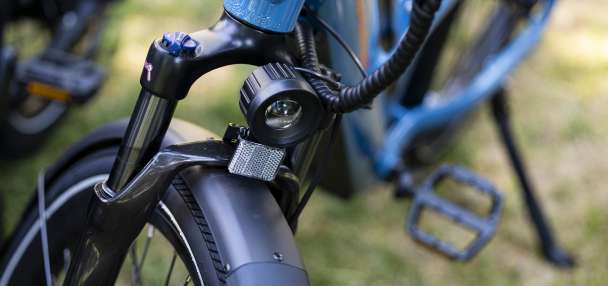
Many other projects were smaller, such as $50,000 for new bike racks at "local businesses in high-demand areas" across the city.
A $6 million allocation toward the next phase of Glendale Regional Park received $6 million, the most of any park-related projects. Nearly $1 million was also directed toward installing new lighting at the park's popular pickleball and tennis courts, while $1.1 million went toward improving park restrooms in the city, especially at Riverside Park in Rose Park.
The city is also sending $1 million to match county funds for a project to replace the culinary waterline at Sugar House Park before it reaches "a state of critical failure."
Some of the money was lost to increasing city maintenance needs. For instance, $2.7 million was directed toward helping the city replace and repair facilities at risk of falling out of code or becoming nonfunctional.
What's next for CIP?
Most of the program money comes from the city's general fund, but various taxes and fees also contribute to the pot of money that goes toward funding the projects. That number has shrunk in recent years, however, alongside growing budget challenges.
More than $44 million was allocated toward community projects during the previous fiscal year, and $58 million the year before that.
This year's decrease came after city leaders approved a 12.5% property tax increase with its $498.2 million general budget, which was estimated to generate over $13 million in new revenue. That was matched with more than $13 million in cuts to address a budget deficit.
That made conversations over what to include in the capital improvement program even more difficult this year, Puy explained. He worries that next year's conversations could be even tougher.
Many of the cuts made to the budget this year were one-time expenses, meaning that more deficits are likely possible next year, especially since ongoing expenses, like employment, typically rise every year.
Salt Lake City Mayor Erin Mendenhall told KSL and Deseret News in May that she considered implementing a new transportation utility fee and an event ticket tax before turning to the property tax increase. Those could be considered for the next fiscal year to potentially increase city revenue.
If neither helps, it could force the city to make tough decisions, like layoffs or cutting more of the capital improvement program, Puy said. That includes possibly pausing the program until the budget is more stable.
"That's a conversation that we should have with our neighbors to (ask), 'Should we pause some of these requests for new things that (the community is) asking for to lower our tax impact?" he said, adding he believes it would be equally unpopular because the demand for projects and services is going up alongside costs.
There have been no formal requests to pause the program within the city, but those conversations could begin in the coming weeks, he said.
There are downsides to the idea, which further complicates the concept, though. Delaying the program in any way could also result in higher costs down the road, especially as inflation for construction remains ahead of the consumer price index, a spokesperson for the mayor's office noted.
Another possibility, Puy said, is funding the dozens of recurring requests that failed to receive funding before opening the program to new items.
There's no timeline for these discussions, but it would likely have to be soon. Requests for capital improvement program projects for the next fiscal year are slated to reopen in the fall.